Table of Contents
This updated guide examines How to Back up Windows Folders to Memopal and organizes the essential facts, background, and practical takeaways in clear American English.
Part 1of 3:
Installing Memopal for Windows
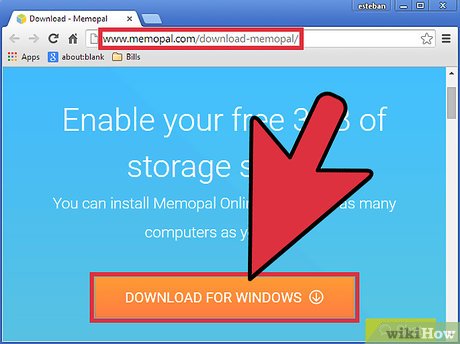 Download Memopal. On your computer, go to the download page of Memopal, and click the download link for the version you need for your computer.
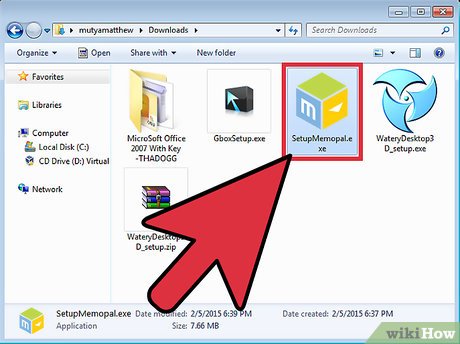 Install the application. Look for the setup file on your computer. The filename is 'SetupMemopal.exe.' Double-click on it.
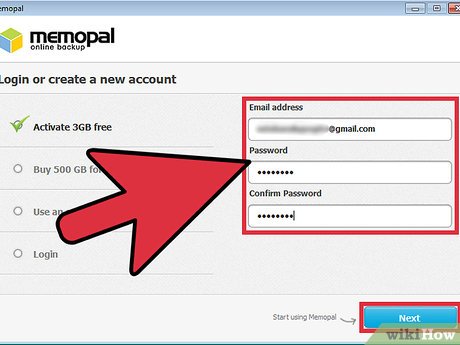 Create a new account or log in. In order for you to use Memopal, you need to have an account. Once the installation completes, you will be presented with an option to create an account. Fill up the required data and click on the 'Next' button.
- If you already have an account, click on the 'Login' option and enter your email address and password. Click on the 'Next' button to continue.
Part 2of 3:
Backing Up Folders
 Identify the folders to back up. A screen will ask 'What to back up?' with two options: 'My Documents' and 'Custom.' Click on the 'Custom' option to set your own folders to back up.
- If all the files you wish to back up are inside your My Documents folder, click on this option instead and skip the next step.
 Add folders. A small table will appear on the right side where you can list the folders you want to back up. Click on the 'Add folder' button to start adding folders. Navigate through your computer's folder directory and click on the folder you want to add.
- Repeat this step to add more folders to the list for backup.
 Back up the folders. Click on the 'Next' button. The backup will start immediately. You will see the Backup Status on your Dashboard as it progresses. Once the progress meter reaches 100%, your backup is completed.
Part 3of 3:
Changing the Backup Settings
 Click on the Settings tab. This is located on the header of the application.
 Change folders to back up. If you want to change which folders are synced and backed up to your Memopal storage, you can do it from the Settings screen.
- Adding folders—A small table will appear on the right side. It lists all the folders you've set in Part 2 to be backed up. Click on the 'Add folder' button to add more folders to this list. This folder will be backed up to Memopal.
- Removing folders—If you want to remove a folder from the list of folders being backed up, click on it from the small table, then click on the 'Remove folder' button. The folder will not be synced and backed up anymore.
 Click on the Apply button when you're done. Your changes are saved. The updated list of folders will now be used by Memopal for backing up this computer.
FAQ
What is How to Back up Windows Folders to Memopal about?
It provides a structured overview of folders, explains the main context, and highlights practical takeaways for readers.
Why does this topic matter?
Understanding the main concepts helps readers evaluate the issue, avoid common mistakes, and make better-informed decisions.
How should readers use this information?
Use the guidance as a practical starting point, confirm details that may have changed, and follow current product, safety, or security recommendations.
Related Articles
 Click: How to Back up a Windows Computer4 minutes read
 The Simplest Way to Show and Hide Folders on Windows 103 minutes read
 7 Small Tips with Folders in Windows5 minutes read
 How to Search for Empty Folders in Windows 11: Step-by-Step Guide3 minutes read
 Use CMD to Delete Large Folders on Windows4 minutes read
 Secure Folders with Secure Folders Software3 minutes read
Reader Comments 0
Sign in with email or Google to join the discussion.