Table of Contents
This updated guide examines Click: How to Install Windows Services and organizes the essential facts, background, and practical takeaways in clear American English.
Method 1of 2:
Using the Visual Studio Prompt
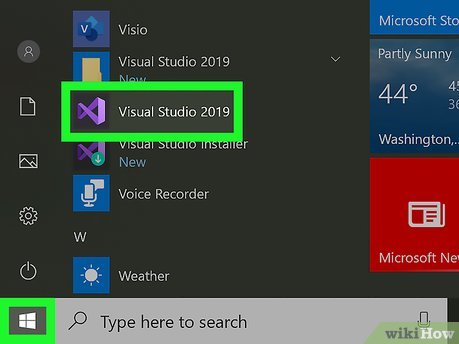 Open the Start
 menu and selectVisual Studio version . The version number will vary. This opens a list of all Visual Studio tools.
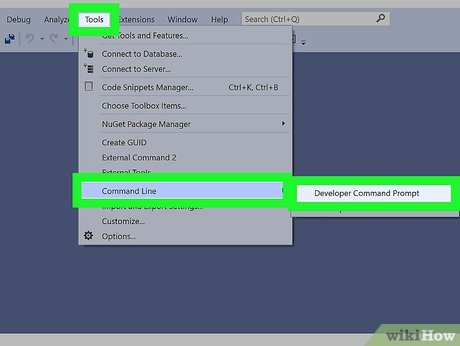 ClickDeveloper Command Prompt for VS version . This opens the Visual Studio command prompt.
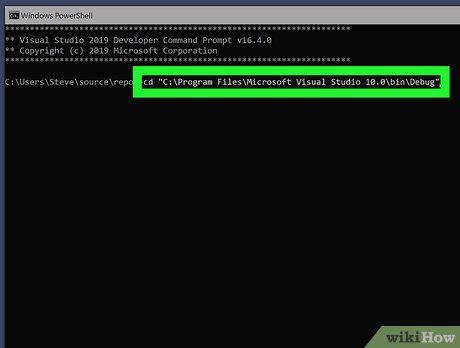 Navigate to the directory where your service is compiled. You can use thecdcommand to change directories. If there are spaces in the path to the directory, you'll need to surround the entire path with quote marks. Example:
- cd "C:Program FilesMicrosoft Visual Studio 10.0binDebug".[1]
 Typeinstallutil servicename .exeand press↵Enter. Replace servicename with the name of your service file. This installs the service on your PC.
- To check that your service is running, pressingCtrl+Alt+Del, click Task Manager , and then click the Services tab. If you don't see a Services tab, click More details at the bottom-left corner and it should appear.
- If you get an error that Visual Studio cannot find instantly, it might be because your paths are not set correctly. You may need to enter the full path to the installutil to run it. It's usually something likeC:WINDOWSMicrosoft. NETFramework64v(version number)InstallUtil.exe.[2]
- To uninstall the service, useinstallutil /u servicename .exe.
Method 2of 2:
Using the Windows Command Prompt
 Right-click the Start
 menu. It's usually at the bottom-left corner of the screen.
 ClickCommand Prompt (Admin)orWindows PowerShell (Admin). One of these two options should be near the center of the menu. This opens an admin-level command prompt.
- You may have to click Yes to confirm.
- Make sure you know the full path to the service you want to install before you continue.
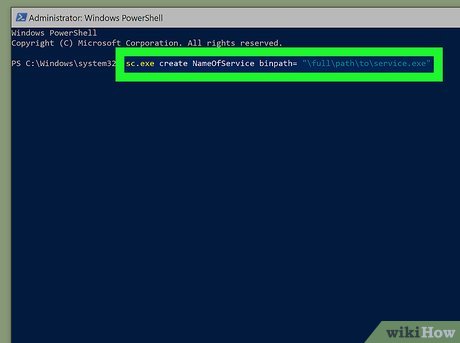 Typesc.exe create NameOfService binpath= " fullpathtoservice.exe ". Replace NameofService with the name you want to give the service, and fullpathtoservice.exe with the full path to the executable.
- There is a space betweenbinpath=and" fullpathtoservice.exe ".
- If you need to pass any options/arguments when running the executable, addoptionname=" value "to the end, replacing value with what's necessary.
 Press↵Enterto install the service. To check that your service is running, pressingCtrl+Alt+Del, click Task Manager , and then click the Services tab. If you don't see a Services tab, click More details at the bottom-left corner and it should appear.
FAQ
What is Click: How to Install Windows Services about?
It provides a structured overview of click, explains the main context, and highlights practical takeaways for readers.
Why does this topic matter?
Understanding the main concepts helps readers evaluate the issue, avoid common mistakes, and make better-informed decisions.
How should readers use this information?
Use the guidance as a practical starting point, confirm details that may have changed, and follow current product, safety, or security recommendations.
Related Articles
 How to Install Msn on Windows 85 minutes read
 How to Install Active Directory on Windows Server 20193 minutes read
 How to Install and Use IIS on Windows Server 20195 minutes read
 How to Install Iis in Windows Server 20122 minutes read
 Exploiting Services in Windows 2000, XP, 2003 Improves18 minutes read
 7 Ways to Open the Services Application in Windows 117 minutes read
Reader Comments 0
Sign in with email or Google to join the discussion.