Table of Contents
This updated guide examines Annoyed Because Chrome No Longer Shows Subdomains in the Address and organizes the essential facts, background, and practical takeaways in clear American English.

Fortunately, if you are also uncomfortable with this 'nothing to do' change, you can easily create your own Chrome extension to reactivate the subdomain.
In fact, users can revert to the display of subdomains by re-enabling some flags. However, on Chrome 79, Google has removed these flags completely and forced users to use the Suspicious Site Reporter utility to display the subdomain again. Of course, Google's approach is not satisfied by most Chrome users. It's a force, no one wants to have to install additional Google extensions just to get back the information they felt should have been displayed from the beginning. And one of these people sought to create his own extension to solve the problem.
Create a Chrome extension to view subdomains
First, you must confirm that creating your own custom Chrome extension that displays your subdomain is not as complicated as you think, just follow these steps:
Step 1: Create a new folder on your computer and name it chrome-www.
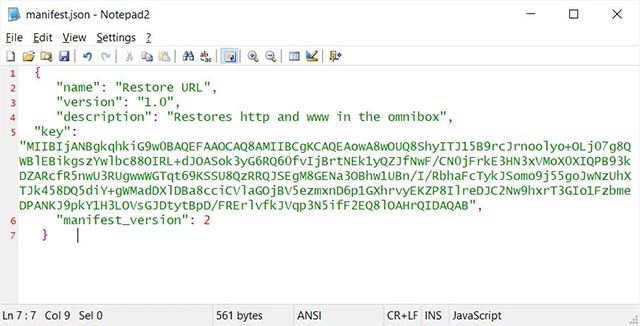
Step 2: Open Notepad and copy the following text:
{ "name": "Restore URL", "version": "1.0", "description": "Restores http and www in the omnibox", "key": "MIIBIjANBgkqhkiG9w0BAQEFAAOCAQ8AMIIBCgKCAQEAowA8wOUQ8ShyITJ15B9rcJrnoolyo+OLj07g8QWBlEBikgszYwlbc88OIRL+dJOASok3yG6RQ60fvIjBrtNEk1yQZJfNwF/CN0jFrkE3HN3xVMoX0XIQPB93kDZARcfR5nwU3RUgwwWGTqt69KSSU8QzRRQJSEgM8GENa3OBhw1UBn/I/RbhaFcTykJSomo9j55goJwNzUhXTJk458DQ5diY+gWMadDXlDBa8cciCVlaGOjBV5ezmxnD6p1GXhrvyEKZP8IlreDJC2Nw9hxrT3GIo1FzbmeDPANKJ9pkY1H3LOVsGJDtytBpD/FRErlvfkJVqp3N5ifF2EQ8lOAHrQIDAQAB", "manifest_version": 2 }Step 3: Save this notepad file in chrome-www folder as manifest.json.
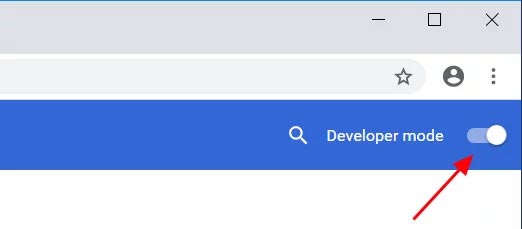
Step 4: Navigate to chrome: // extensions / and activate Developer Mode as shown in the illustration below:
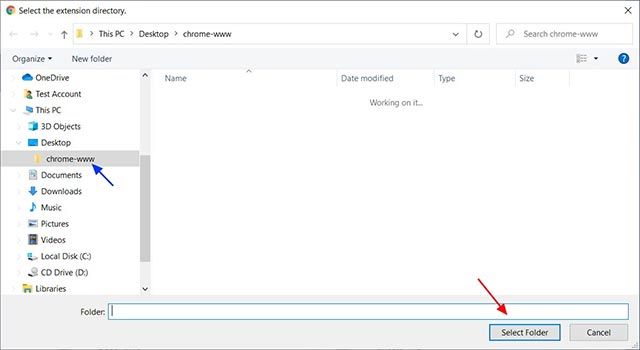
Step 5: Once Developer Mode is enabled, you will see a 'Load Unpacked' button, click this button. A prompt will appear, select the chrome-www folder created in step 1 and press 'Select Folder'.
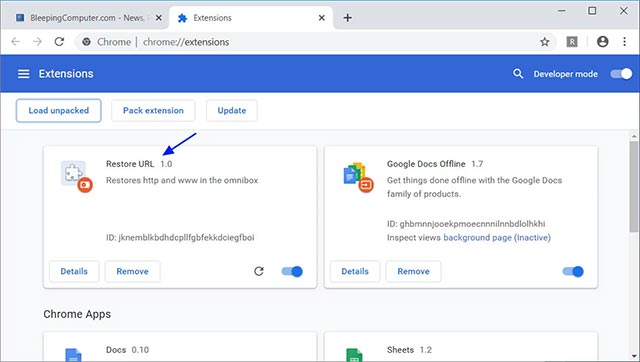
Step 6: After clicking 'Select Folder', you will see the extension loaded in the browser named "Restore URL", this is the utility you just created.
Step 7: You can now close the extension page and use your browser as usual.
Once the extension is loaded, you will see www, http and https be displayed again in the address bar.
'The only side effect' when you use this 'homemade' extension is that Google Chrome will constantly display the "Disable developer mode extensions" warning. However, this warning does not cause any harm.
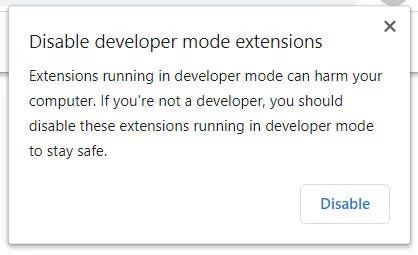
The above message will disappear when you delete the newly created custom extension or turn off Developer Mode.
FAQ
What is Annoyed Because Chrome No Longer Shows Subdomains in the Address about?
It provides a structured overview of display subdomains on Chrome, explains the main context, and highlights practical takeaways for readers.
Why does this topic matter?
Understanding the main concepts helps readers evaluate the issue, avoid common mistakes, and make better-informed decisions.
How should readers use this information?
Use the guidance as a practical starting point, confirm details that may have changed, and follow current product, safety, or security recommendations.
Related Articles
 10 Chrome Address Bar Icons You Need to Know13 minutes read
 How to Move Chrome Android Address Bar Down3 minutes read
 How to Turn the Address Bar Down on Chrome Android6 minutes read
 The Easiest Way to Find IP Address4 minutes read
 How to Fix Errors Typing Vietnamese in Chrome Address Bar4 minutes read
 Steps to Fix 'Server IP Address Could Not Be Found' Error on9 minutes read
Reader Comments 0
Sign in with email or Google to join the discussion.