Table of Contents
This updated guide examines Add and Remove Exceptions in Tracking Prevention on Microsoft and organizes the essential facts, background, and practical takeaways in clear American English.
Microsoft has also introduced a new Microsoft Edge logo designed to record the innovations it intends to bring to users.
Today, the Chromium-based Microsoft Edge web browser is only available for download and installation as Microsoft Edge Insider. It is expected that this browser will be available to the public on January 15, 2020 in more than 90 languages.
New Microsoft Edge will be supported on all versions of Windows 7, Windows 8.1, Windows 10, Windows Server (2016 and later), Windows Server (2008 R2 to 2012 R2) and macOS.
Trackers are used on websites to collect data about a user's browsing behavior. The tracker collects data about how users interact with a website, click content and other interesting information about the browser. They also provide many functions for websites, such as allowing comments, sharing articles on social networks and personalizing ads.
Some of these trackers collect data about users on many websites. For example, ExampleTracker can track while you navigate to your favorite shopping site and news site. This is why it sometimes feels like an ad is following you on the internet.
Microsoft Edge is designed to detect and block trackers. Microsoft gives you the power to decide which tracker to block through the Tracking Prevention feature. You can choose from 3 levels for Tracking Prevention - Basic, Balanced and Strict. Balanced is selected as the default. Each option blocks potentially harmful trackers.
- Basic: Block potentially harmful trackers but allows most other trackers, as well as one to personalize content and ads.
- Balanced (Recommended): Block potentially harmful trackers and websites that you don't visit. Content and advertising may be less personalized.
- Strict: Block potentially harmful trackers and most trackers on the internet. Content and advertising can be personalized to a minimum. This option blocks most trackers but may cause some sites to not function as expected. For example, the video may not play or the login may not work.
While blocking trackers is great for privacy, you may want to make exceptions for some trusted websites and turn off Tracking Prevention. But note this will allow all trackers on those sites to work, including those that are potentially harmful.
This tutorial will show you how to add and remove Tracking Prevention exceptions for specific websites in Microsoft Edge based on Chromium.
Add or delete websites directly as an exception in Tracking Prevention on Microsoft Edge
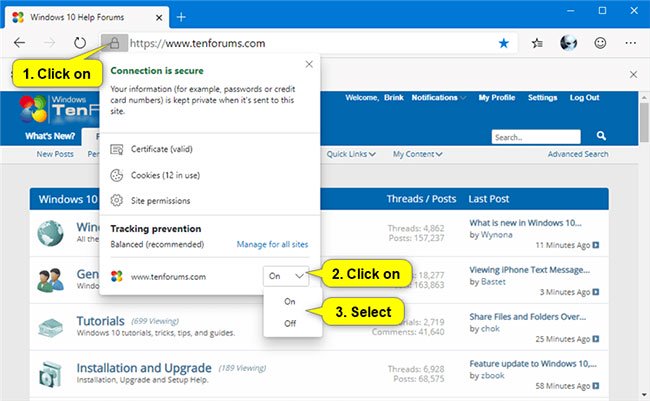
1. Open Microsoft Edge.
2. Visit the site you want to add or delete as an exception.
3. Click the information button to the left of the address bar.
4. Select On (to add) or Off (to delete) in the page's URL drop-down menu in Tracking prevention.
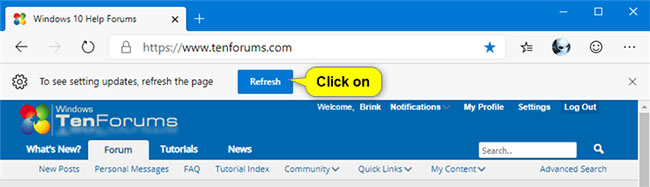
5. Click Refresh to apply.
Add the site to the exception in Tracking Prevention via the Microsoft Edge Settings
1. Open Microsoft Edge.
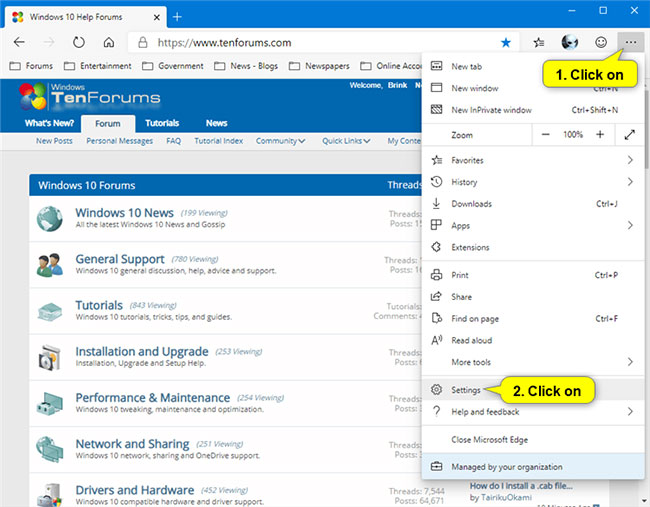
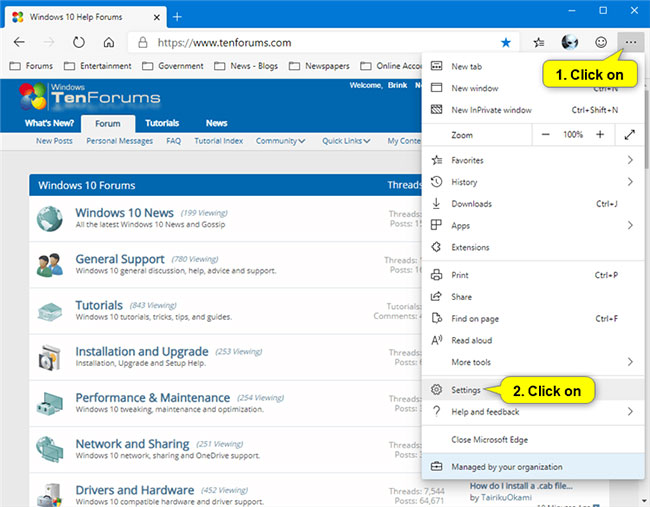
2. Click the 3-dot menu icon and select Settings.
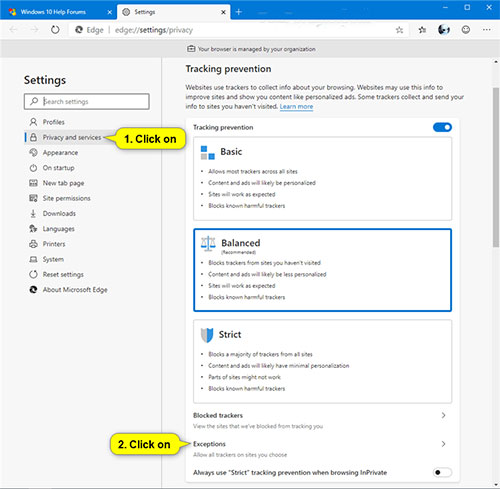
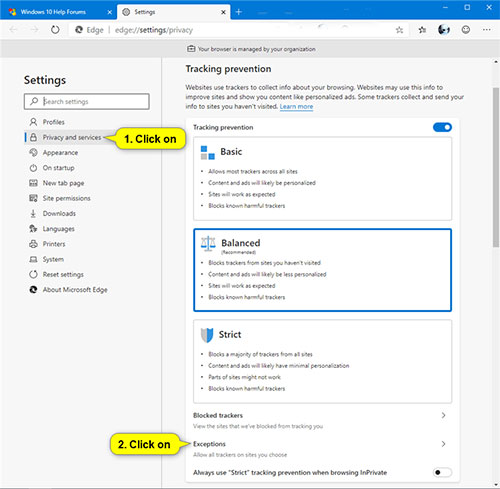
3. Click Privacy and services on the left and select Exceptions on the right.
Note : If you don't see the left panel, expand the horizontal borders of the Microsoft Edge window until you see it.
4. Click the Add a site button.
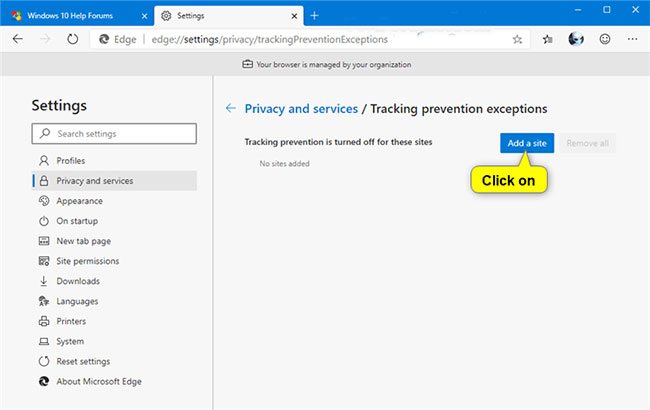
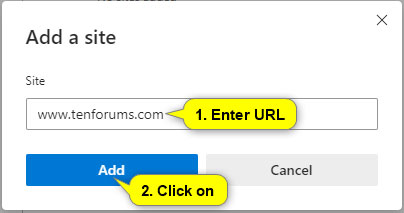
5. Enter the full URL of the website and click Add.
6. When you're done adding sites exceptions, you can close the Settings tab if you like.
Remove websites from the exception in Tracking Prevention via the Settings of Microsoft Edge
1. Open Microsoft Edge.
2. Click the 3-dot menu icon and select Settings.
3. Click Privacy and services on the left and select Exceptions on the right.
4. Click the More actions button (3 dots) to the right of the webpage you want to delete and select Remove.
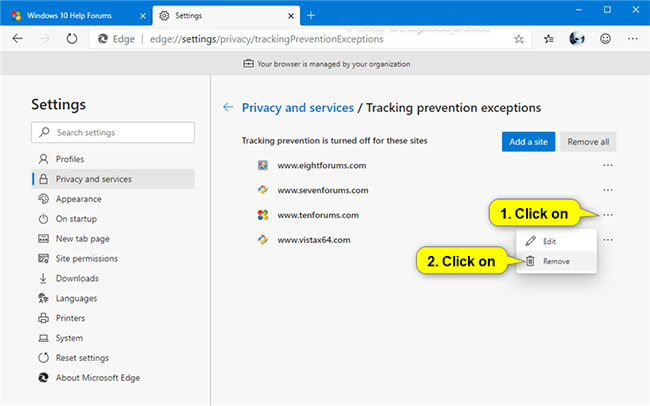
5. When you have finished removing exceptions for websites, you can close the Settings tab if you like.
Remove all web pages from the exception in Tracking Prevention via Microsoft Edge Settings
1. Open Microsoft Edge.
2. Click the 3-dot menu icon and select Settings.
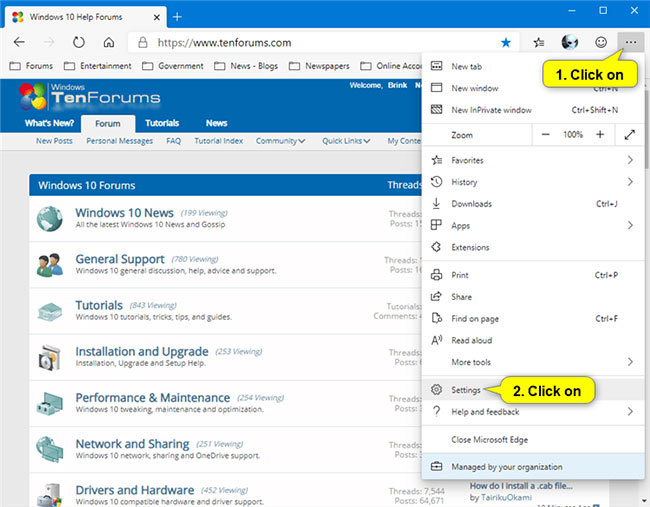
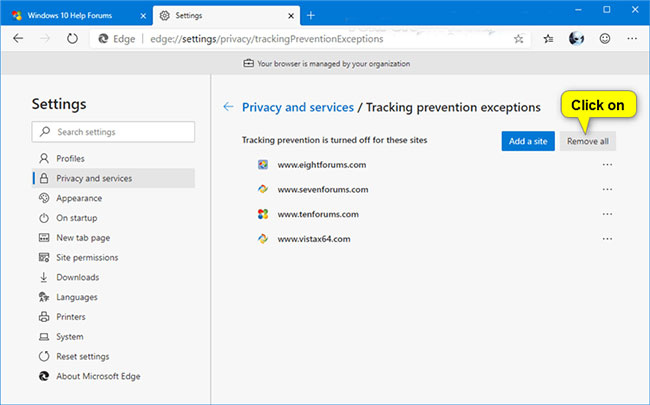
3. Click Privacy and services on the left and select Exceptions on the right.

4. Click the Remove all button .
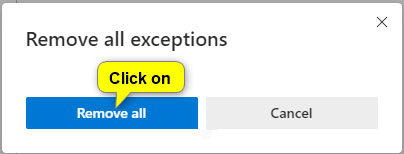
5. Click Remove all to confirm.
6. You can now close the Settings tab if desired.
Hope you are succesful.
FAQ
What is Add and Remove Exceptions in Tracking Prevention on Microsoft about?
It provides a structured overview of Tracking Prevention, explains the main context, and highlights practical takeaways for readers.
Why does this topic matter?
Understanding the main concepts helps readers evaluate the issue, avoid common mistakes, and make better-informed decisions.
How should readers use this information?
Use the guidance as a practical starting point, confirm details that may have changed, and follow current product, safety, or security recommendations.
Related Articles
 How to Add Tracking Exclusion Sites on Edge3 minutes read
 Edge Chromium Is Adding Many Useful New Features3 minutes read
 Microsoft Edge Is About to Add a Series of Features to4 minutes read
 Microsoft Edge Chromium Has Added Support for Arm643 minutes read
 There Is an Edge Chromium Browser, Invite Download and Experience3 minutes read
 How to Install and Remove Chrome Themes on Microsoft Edge Chromium6 minutes read
Reader Comments 0
Sign in with email or Google to join the discussion.