Table of Contents
This guide provides a clear overview of hibernate mode, including 1. Run Power Troubleshooter, 2. Disable Fast Startup. Use it to understand the topic, compare the available options, and make a more informed decision.
If you face the same problem, don't fret. Here are some effective solutions that will help fix the problem in no time.
1. Run Power Troubleshooter
Running the built-in Windows troubleshooter is the most effective way to fix common system-level problems. In this case, you can run Power Troubleshooter and see if Hibernate mode works again. Here's how to do it.
- Press Win + I to open the Settings app.
- Click Troubleshoot .
- Select Other troubleshooters .
- Click the Run button next to Power .

Allow the troubleshooter to scan your system for any problems and resolve them. Then try using the Hibernate option again to see if it works.
2. Disable Fast Startup

Fast Startup is a useful feature that helps you avoid slow boot times on your Windows computer. However, it can sometimes interrupt the functionality of Hibernate mode and cause problems. You can try disabling this to see if that helps.
3. Reset Your Power Plan
If disabling Fast Startup doesn't work, there may be a problem with your current power plan settings. In that case, you can reset your power plan on Windows to default settings and start from scratch. To do so, follow these steps:
- Use one of the many ways to run Command Prompt with admin rights.
- Type the following command into the console and press Enter .
powercfg -restoredefaultschemes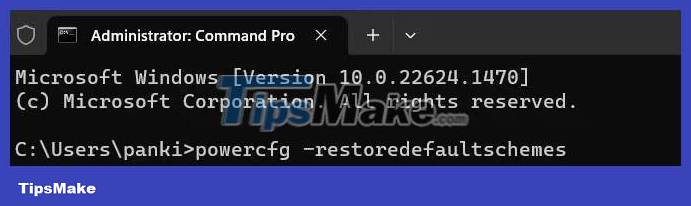
After completing the above steps, try to use Hibernate mode again.
4. Try Basic Fixes to Solve Hibernate Problems on Windows
If the above fixes don't work, you can try some general Windows fixes to solve problems with Hibernate mode.
- Scan for Malware : Its presence can lead to many system problems, including the one discussed here. To rule out this possibility, you can try using Microsoft Defender's offline scanning feature to find and remove malware.
- Update drivers : Outdated or incompatible device drivers can also prevent Hibernate from working properly on Windows. Therefore, you should replace outdated Windows drivers with Device Manager and see if that helps.
- Installing your Windows: updates to the latest version allows you to benefit from the latest bug fixes and improvements. If the problem with Hibernate mode is due to an operating system error, installing Windows updates will help.
Conclusion
Understanding Hibernate Mode makes it easier to compare options, avoid common mistakes, and apply the information in this guide more effectively. Review the relevant requirements before making changes or choosing a solution.
FAQ
What is Hibernate Mode?
Here are some effective solutions that will help fix the problem in no time.
Why is Hibernate Mode important?
Understanding Hibernate Mode helps you evaluate features, compatibility, performance, and potential limitations before you choose a product or follow a procedure.
What should you consider when using or choosing Hibernate Mode?
Consider your specific goal, compatibility requirements, available features, cost, security, and the practical recommendations described in this guide.
Related Articles
 Is Hibernate Harmful to PC?6 minutes read
 Turn Off, Turn on Hibernate Mode in Windows 75 minutes read
 How to Turn on Hibernate Mode in Windows 102 minutes read
 How to Enable / Disable Hibernate Mode in Windows 105 minutes read
 How to Turn Hibernate (Hibernate) in Windows 72 minutes read
 How to Enable Hibernate Mode on Windows 114 minutes read
Reader Comments 0
Sign in with email or Google to join the discussion.