Table of Contents
This guide provides a clear overview of figma tips, including 1. Using the Bar Graph Arc Tool, 2. Quickly Align Navigation Bar Icons. Use it to understand the topic, compare the available options, and make a more informed decision.
1. Using the Bar Graph Arc Tool
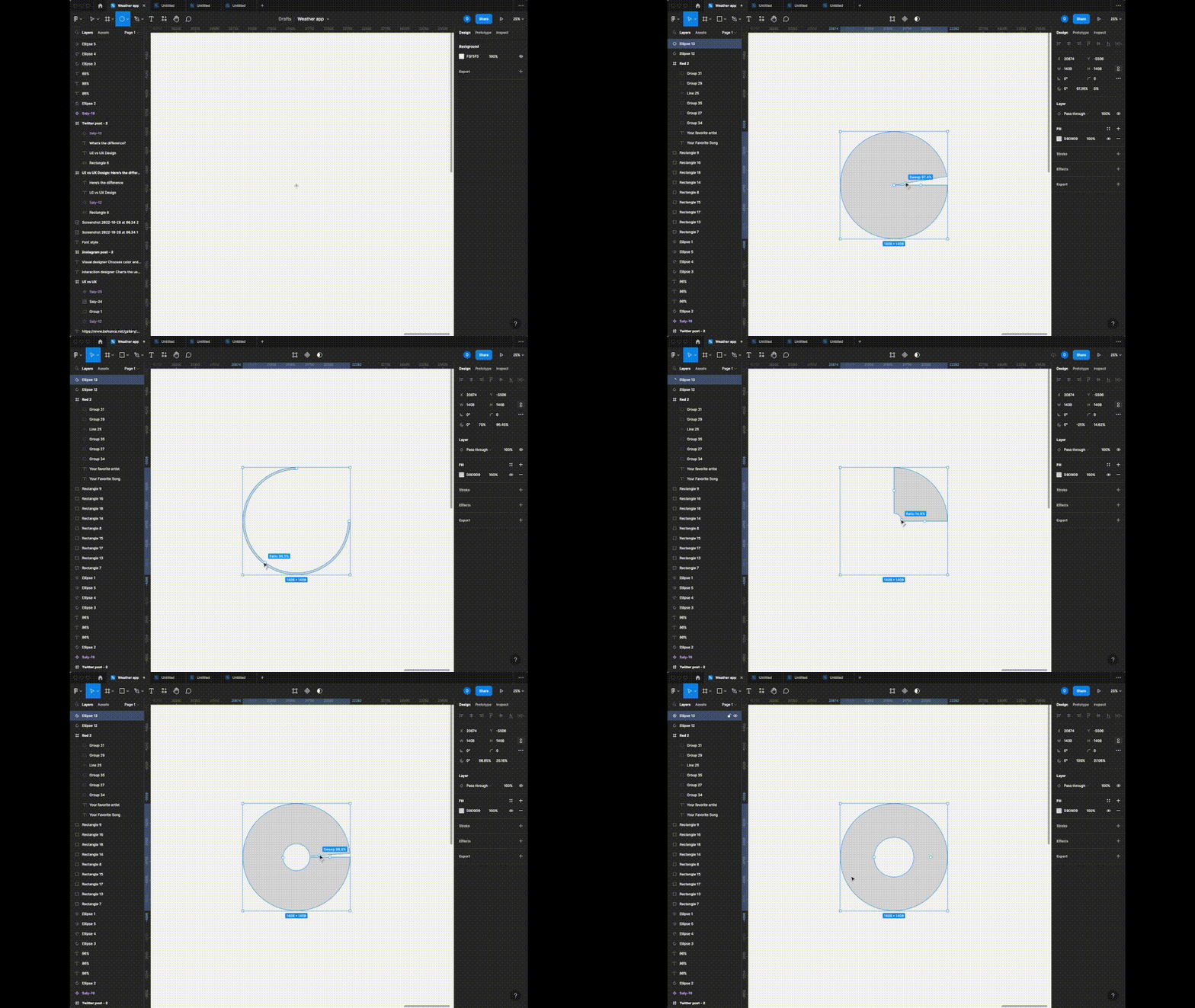
- Draw a circle.
- Click the arc to the right of the circle and start moving to create the shape you need.
2. Quickly Align Navigation Bar Icons
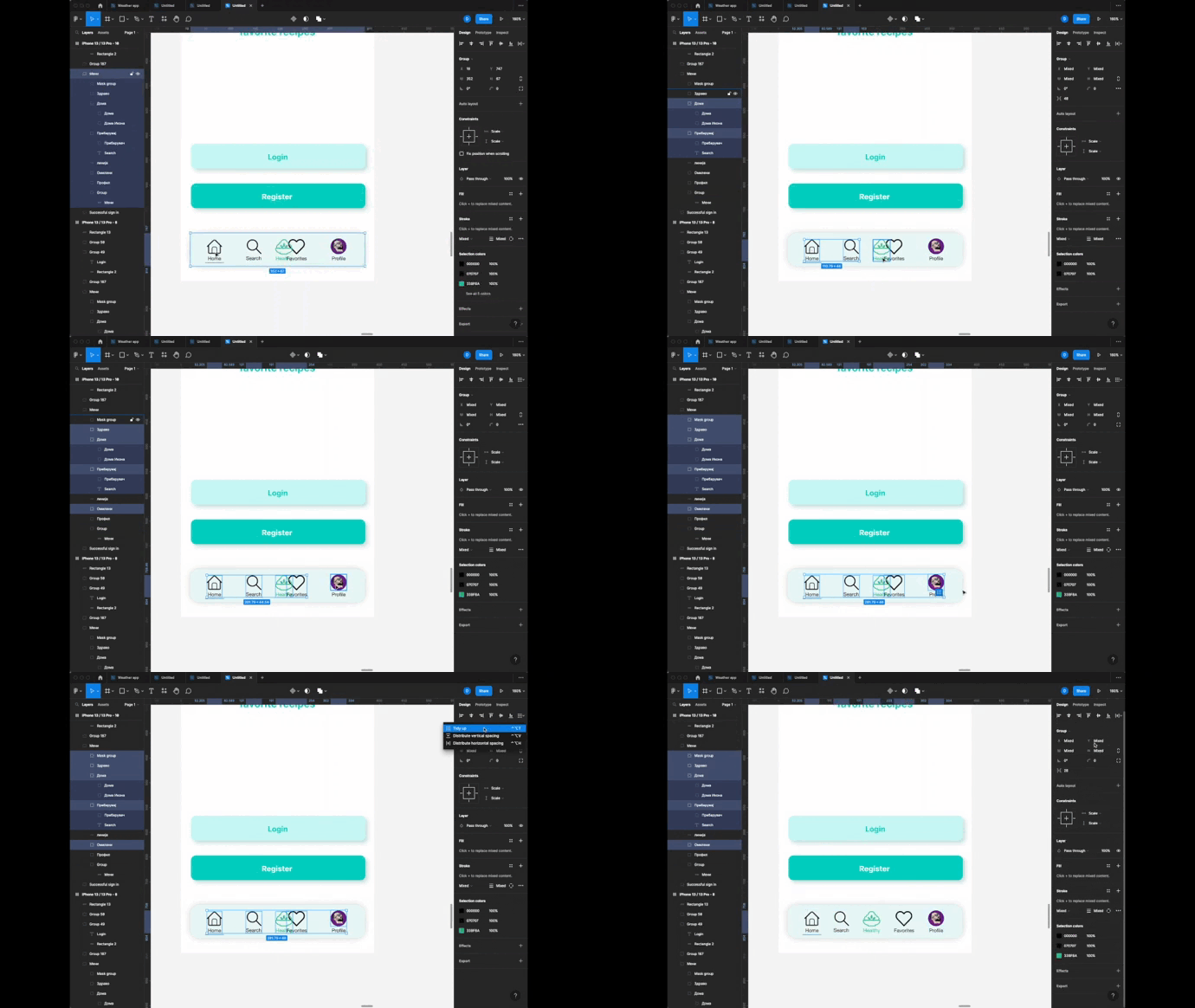
To align the navigation bar or anything else you can use Tidy Up, Distribute Vertical Spacing or Distribute Horizontal Spacing .
3. Easier to Draw Circular Progress Bar
- First, draw a circle.
- Use the Arc tool and drag it to the percentage you need.
- Adjust the thin radius to your liking.

4. Arrange and Reposition Objects
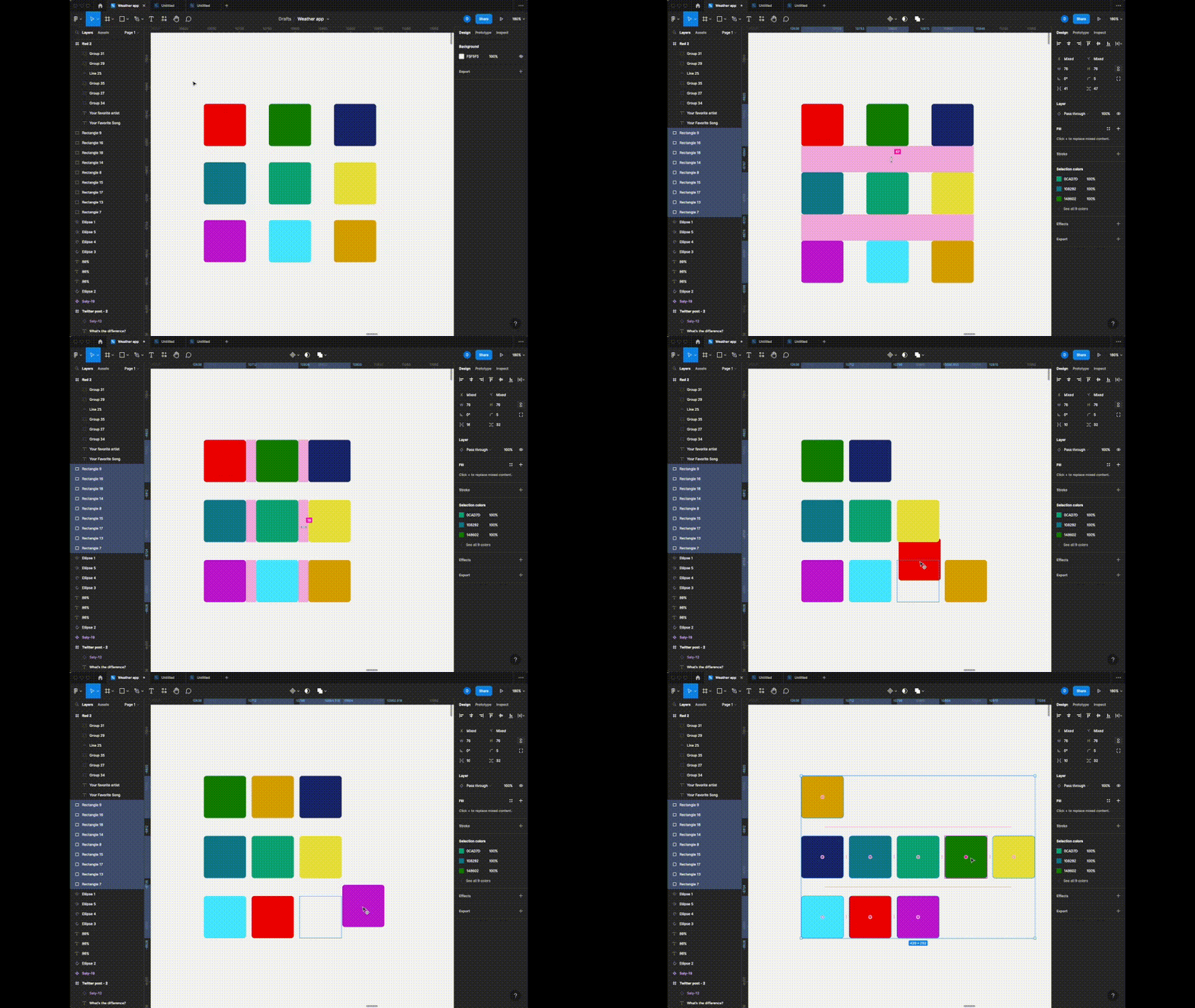
- Select multiple objects in the table.
- Drag and rearrange objects and adjust their spacing.
5. Preview a Color with the Eye Dropper Tool
Use the Eye Dropper tool to select a color and simply hold it instead of clicking on the color to see a preview of it in the selected object.

6. Quick Opacity Adjustment
- Select the object you want to change the opacity of.
- Now just enter the number without doing anything e.g. enter 55 and the opacity will be set to 55%.

7. Collapse All Layers
- On a Mac, use Option + L.
- On Windows, press Alt + L to collapse all the Figma layers. A great shortcut to clean up your Figma files.

8. Use Quick Actions
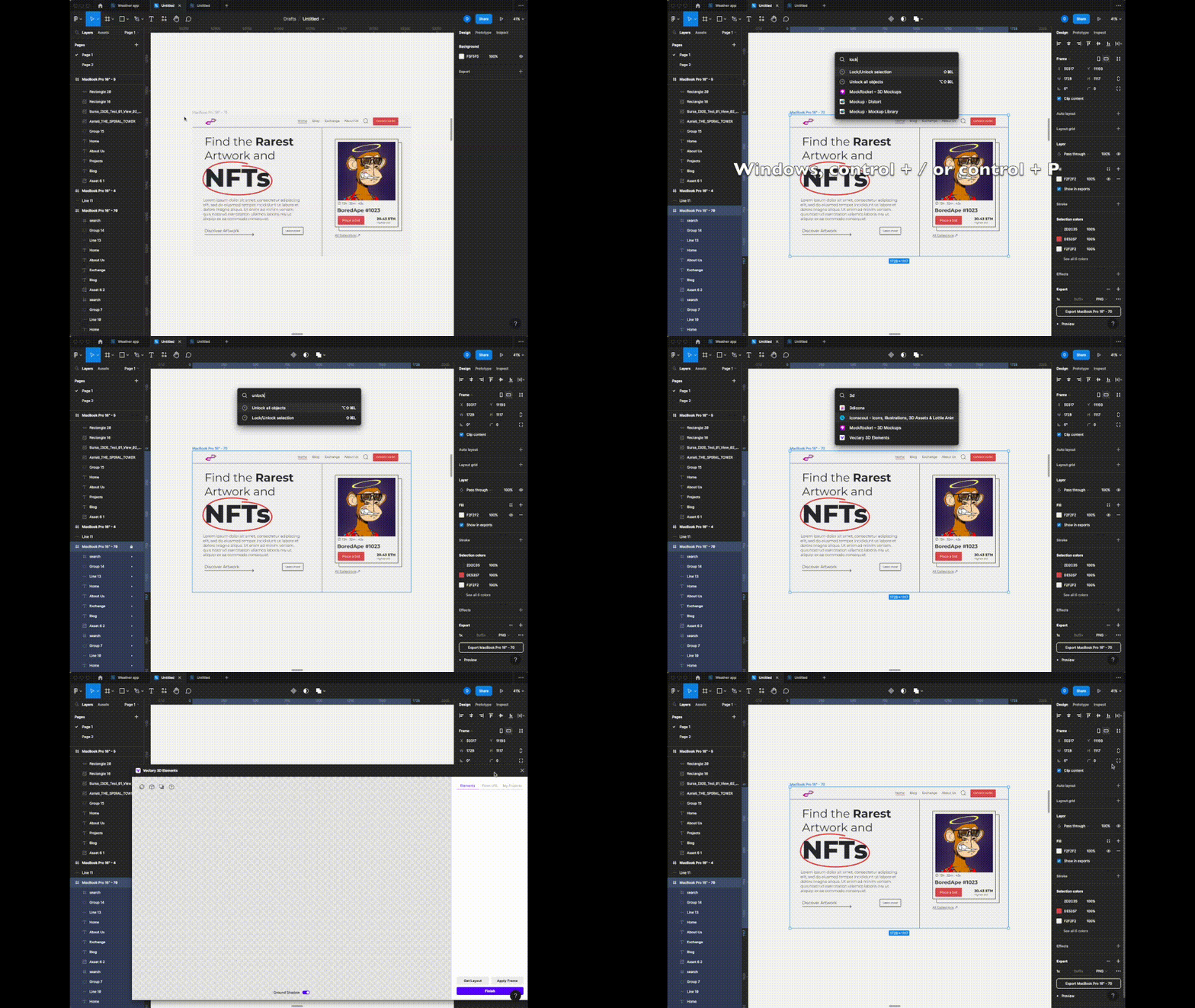
- On Mac, hold Cmd + / or Cmd + P and write the feature you need, for example unlock all objects.
- On Windows, Control + / or Control + P , and also type what you want to do
9. Quick Fix Line Height
If your line-height looks messy and you don't have a specific value, just type 'auto' in the line-height field or delete any numbers there and press Enter. The height of the line will automatically adjust

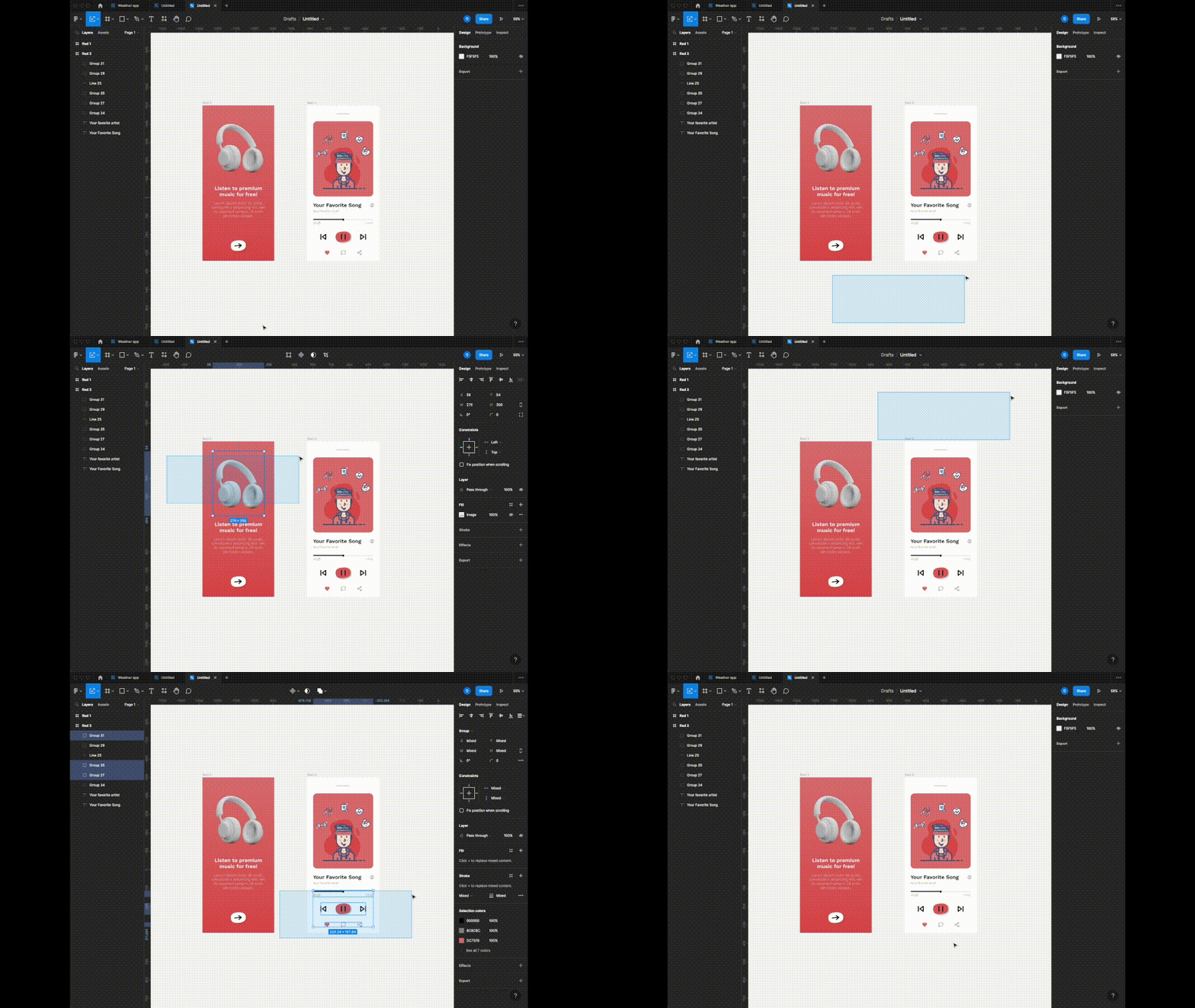
10. Hold Down the Spacebar and Move the Object
- Create a selection container with the mouse
- Hold the clicked mouse, and press and hold the spacebar
- While holding both spacebar and mouse click, move around to select something.
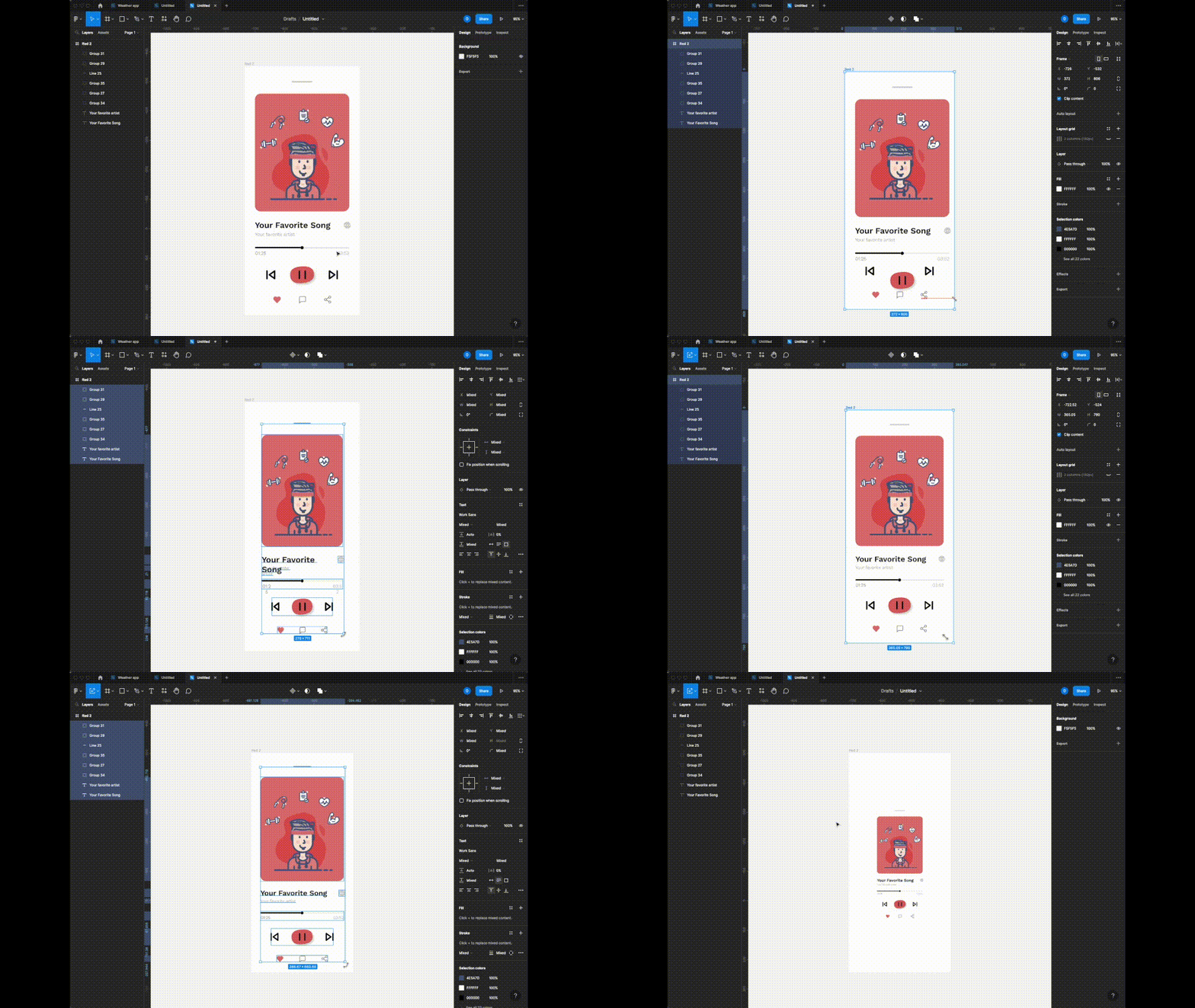
11. Use the Scale Tool to Avoid Distortion
- Choose the things you want to keep the proportions
- Press K on the keyboard
- Now expand the selection without worrying about the image distortion
Open Figma, then try these tips and tricks to see how much time they save and help you have an efficient workflow.
Good luck with your application!
Conclusion
Understanding Figma Tips makes it easier to compare options, avoid common mistakes, and apply the information in this guide more effectively. Review the relevant requirements before making changes or choosing a solution.
FAQ
What is Figma Tips?
Figma Tips refers to the main subject explained in this guide, including how it works, where it is used, and the factors that affect the best choice.
Why is Figma Tips important?
Understanding Figma Tips helps you evaluate features, compatibility, performance, and potential limitations before you choose a product or follow a procedure.
What should you consider when using or choosing Figma Tips?
Consider your specific goal, compatibility requirements, available features, cost, security, and the practical recommendations described in this guide.
Related Articles
 Figma - Free Multimedia Design Tool8 minutes read
 What Is Figma? Benefits and Advantages of Figma10 minutes read
 11 Useful Figma Shortcuts to Work Faster7 minutes read
 The Most Useful Free Figma Plugins2 minutes read
 16 Useful Figma Plugins Free Downloadable9 minutes read
 How to Create an Engaging Presentation Using Figma11 minutes read
Reader Comments 0
Sign in with email or Google to join the discussion.