Table of Contents
This guide provides a practical overview of Set a Password for the Computer, including its main features, benefits, limitations, and important considerations.
In this article, I would like to show you how to set a password for a computer running Windows 7.
Step 1: First you need to open User Accounts by clicking Start -> Control Panel.
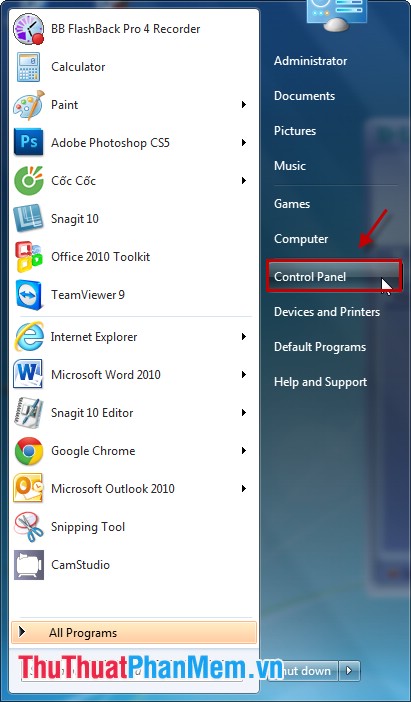
Then select User Accounts .
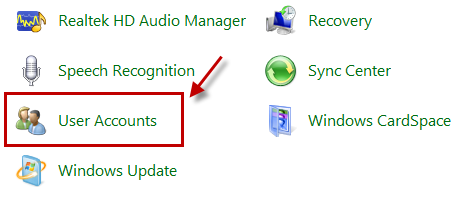
Or you can choose Start and then choose directly on the icon as shown:

Step 2: Create a password for your computer.
You choose Create a password for your account .

Here, you enter the password in the New password box and re-enter the password in the Confirm new password box . You can enter a password reminder word in the Type a password hint box so that when you forget the password, the reminder word will appear to help you remember the password. Finally select Create password .

So you have created the password for your computer, from now on every time you turn on the computer, you need a password to access the computer. Good luck!
FAQ
What should I know about Set a Password for the Computer?
Focus on the key features, requirements, limitations, and practical use cases explained in this guide.
How do I get the best results with Set a Password for the Computer?
Follow the recommended steps, use current software or information, confirm compatibility, and review settings before major changes.
Are there any risks or limitations?
Potential limitations depend on compatibility, data quality, cost, privacy, support, and how the product or method is used.
Related Articles
 How to Login to Your Computer When You Forget Your Password10 minutes read
 How to Change Your Computer Password for the Most Popular Operating Systems7 minutes read
 Top 3 Simple Ways to Change Computer Password on Windows6 minutes read
 How to Set a Password for a Windows 8 // 8.1 Computer5 minutes read
 Install Computer Tray9 minutes read
 How to Change Your Computer, Phone and Mac Passwords4 minutes read
Reader Comments 0
Sign in with email or Google to join the discussion.