Table of Contents
Overview
This guide covers turn off Windows 10 login password when starting in clear, practical terms. It covers the key concepts, recommended steps, common limitations, and useful checks so you can make a better-informed decision.
Setting a password for your computer is a way to help you protect your computer's data information from being spied on and illegally accessed by others. But sometimes you feel that this is no longer necessary or feel like it's a waste of time having to enter a password when the computer starts up or worse, you often forget your password? To get rid of that annoyance and annoyance, turning off the Windows login password is necessary. In this guide, this guide explains how to set a login password on Windows 10.

Should I turn off Windows login password or not?
Any application developer, including Microsoft, recommends (or requires) users to set a password for their account to secure personal information and data. However, if your computer does not have anything too important or you are too lazy to waste time entering a password to log in to Windows, then turning off the Windows login password is the right choice for you.
How to turn off Windows 10 login password?
Delete password in Settings
Step 1: Press the Windows key (window icon) + I to open Settings > Select Account.
Step 2: Select Sign-in options > go to Password and press Change

Step 3: Enter the current password in the Current password box > Click Next to continue

Step 4: Now, a new window will appear, to delete the login password, just do not enter the password and click Next.
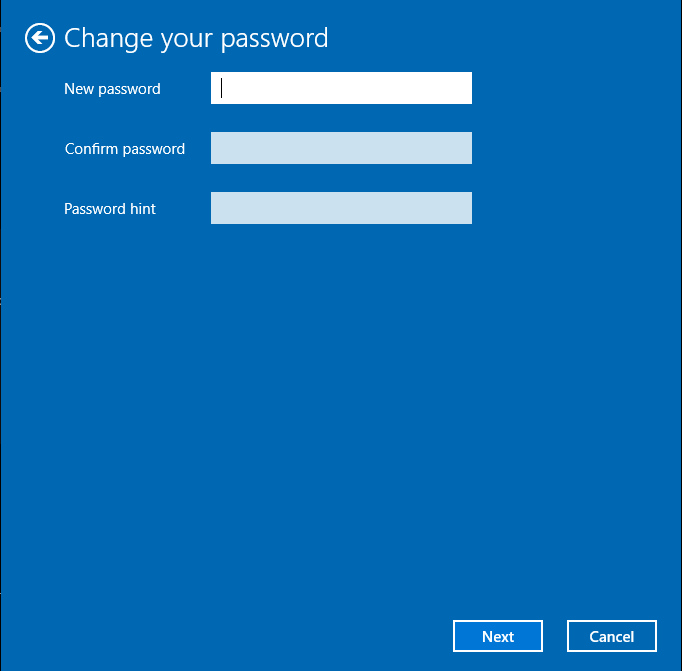
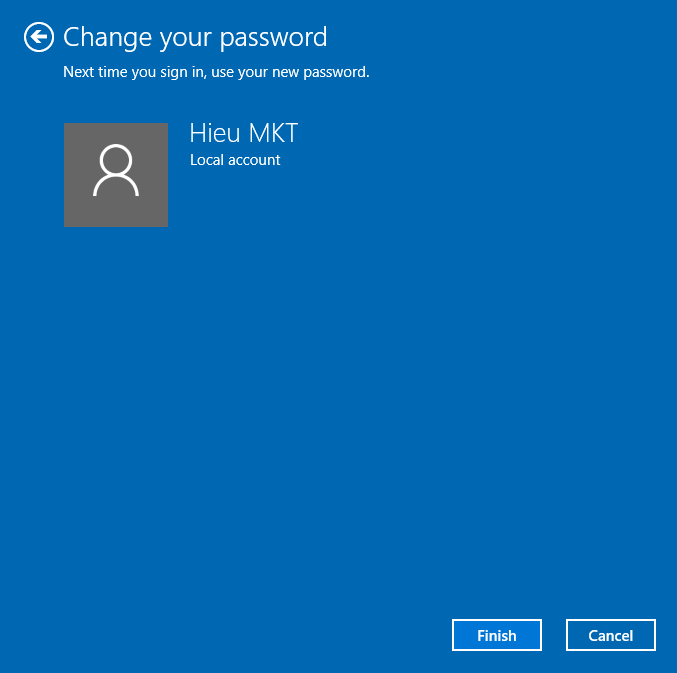
Step 5: Select Finish to finish. On the next startup, you will not need to use a password to log in anymore.
Disable password using netplwiz
To delete your computer login password using netplwiz, follow these steps:
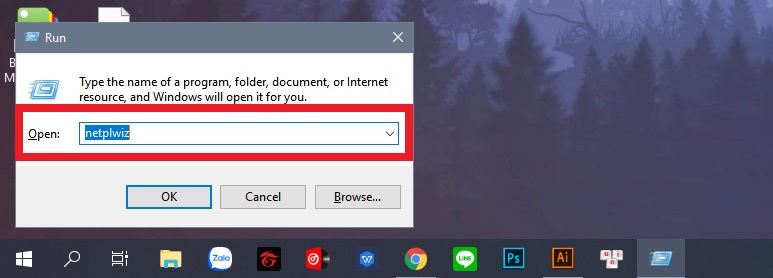
Step 1: Press the Windows key (window icon) + R to open the Run command. Then in the Open section, type netplwiz and press Enter.
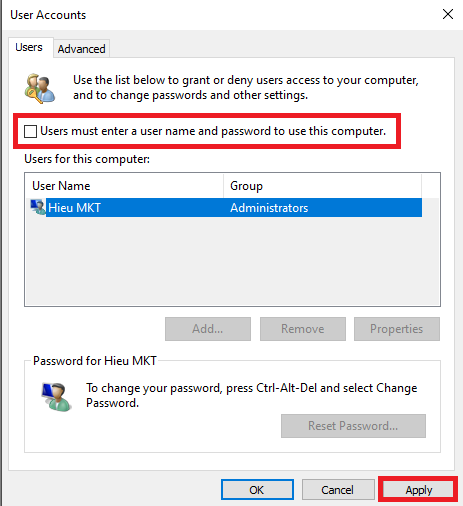
Step 2: At this time, the screen will display the User Account window > Select the User tab > Select the account you want to delete the password (here I choose the locng account) > Uncheck the box Users must enter a user name and password to use this computer > Apply.
Step 3: Then, a window will appear on the screen, and what you need to do is enter the previous password and confirm the password again. Finally, click OK to complete the process of deleting the computer login password.

Key Takeaways
Use the guidance above as a practical reference for turn off Windows 10 login password when starting. Check compatibility, follow the steps carefully, and verify important details with official documentation when software, security, accounts, health, or purchases are involved.
FAQ
What is the main point of this article?
This article explains turn off Windows 10 login password when starting up, including the central facts, context, practical implications, and details needed to understand the topic.
Why does this topic matter?
It may affect performance, cost, safety, convenience, purchasing decisions, or how people understand a broader development.
Could the information change over time?
Yes. Product details, software features, prices, policies, codes, and news developments can change, so verify time-sensitive information with official sources.
Related Articles
 Turn Off Windows 10 Password When Logging in for Only 10 Seconds5 minutes read
 Click: How to Turn Off Password Login on a Mac3 minutes read
 Your Computer Requires Entering a Password After Starting from7 minutes read
 Instructions to Delete Login Password on Windows 115 minutes read
 How to Login to Your Computer When You Forget Your Password10 minutes read
 Configure Auto-Login for Windows 7 Domain or Workgroup PC4 minutes read
Reader Comments 0
Sign in with email or Google to join the discussion.