Table of Contents
MS Excel - Lesson 7: Sample Excel File - How to Create and Use covers the essential facts behind the topic, including what changed, why it mattered, and how it affected users.
Microsoft Excel Overview
- Text and graphics
- Layout and format types
- Headers and Footers
- The formulars
- Macro
Create a template - Create a workbook of all layouts and format the elements you want to save as a template - From the File menu, click Save As. - Name the template in the File name section - From Save as type: click on the drop down arrow list, select Template.

- Select Save. Extension extension. XLT is added to the file name and template saved in the Templates folder Use the template - From the File menu, click New to display the New Workbook section - From New Workbook, click on the On my computer link. To display the Template dialog box
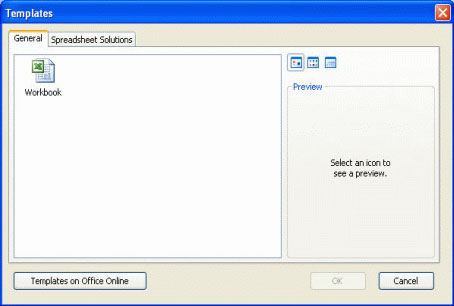
- Select the General or Spreadsheet Solutions tab to locate the template you want. With the default template, select the General tab and select the Workbook icon Note: In the Spreadsheet Solutions tab, you can see 5 templates available. You can use Microsoft Office discs to install features and use them. - Click OK to open a template Note: Excel 2003 allows you to access additional templates on the Microsoft Office website. Just click on the Templates on Office Online link in the New Workbook pane, so you can search for the templates you need. What is the difference between Excel template and Excel style? Style is a collection of cell information formats such as font size (font size), patterns (styles), alignment (alignment),. You can define and save as a group If formatting information using style, it can easily update sheet form by changing styles. Excel has a number of unspecified styles, all cells have Normal type. It can copy styles from one Workbook to another. Create a style - Select a format box with attributes - From the Format menu, click Style.
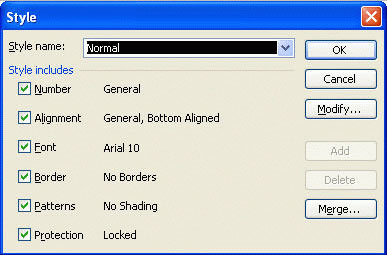
- Style dialog box appears, type the type name into Style name or click on the drop-down arrow and select - Select Modify button to change properties. The Format Cells dialog box is displayed - Click the Number, Alignment, Font, Border, Patterns, Protection tabs and make changes. Click OK to return to the Style dialog box - Click OK Apply a style - Select the area you want to format - From the Format menu, click Style. - Select style from Style name - Click OK.
FAQ
What is the main topic of MS Excel - Lesson 7: Sample Excel File - How to Create and Use?
MS Excel - Lesson 7: Sample Excel File - How to Create and Use covers the essential facts behind the topic, including what changed, why it mattered, and how it affected users.
Why is Microsoft Excel important?
Microsoft Excel Overview Text and graphics Layout and format types Headers and Footers The formulars Macro Create a template - Create a workbook of all layouts and format the elements you want to save as a template - From the File menu, click Save As. - Name.
What should readers remember about Microsoft Excel?
XLT is added to the file name and template saved in the Templates folder Use the template - From the File menu, click New to display the New Workbook section - From New Workbook, click on the On my computer link.
Related Articles
 MS Excel 2007 - Lesson 7: Create Macros in Excel 20072 minutes read
 Forgot Password Protected Excel File, What Should You Do?12 minutes read
 MS Excel 2007 - Lesson 3: Working with Workbook6 minutes read
 MS Excel 2003 - Lesson 8: Excel Macro - Automate Complex Tasks4 minutes read
 Excel 2016 - Lesson 3: How to Create New and Open Existing Spreadsheets: Explained9 minutes read
 How to Automatically Update the Excel File Editing Time3 minutes read
Reader Comments 0
Sign in with email or Google to join the discussion.