Table of Contents
Turn on Notifications When a Message Arrives
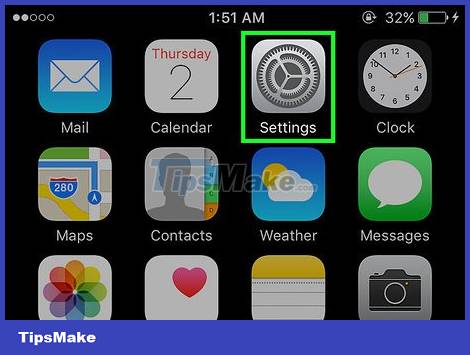
This practical guide explains how to turn on the flash on iphone when a message arrives with clear steps and useful context. It also covers common requirements, potential problems, and the details that can help you get better results.
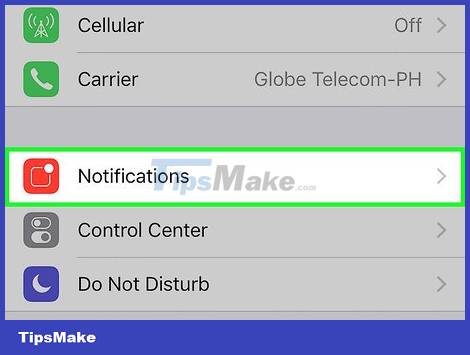
Tap the Notifications section. It's near the top of the settings menu, next to a red icon with a white square inside.
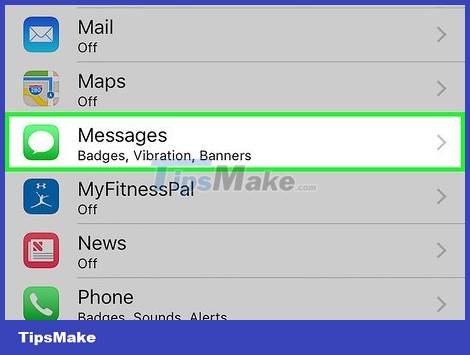
Scroll down and tap the Messages app. Applications are listed in alphabetical order.
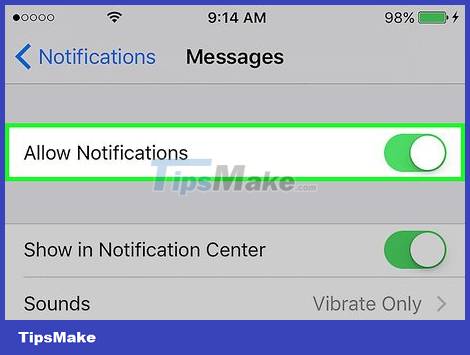
Slide the button next to "Allow Notifications" to "On". This button is located at the top of the screen and when enabled turns green. This allows the app to send you notifications.
Turn on Show on Lock Screen to allow notifications to appear on the screen when the device is locked.
Activate the LED When There Is a Notification
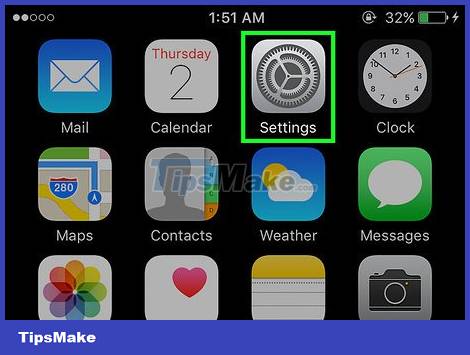
Open the Settings app on your iPhone. This app has a gray gear icon (⚙️) on the home screen.
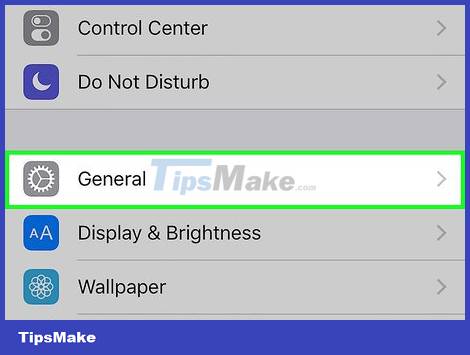
Tap on General. It's near the top of the screen, next to the gray gear icon (⚙️).
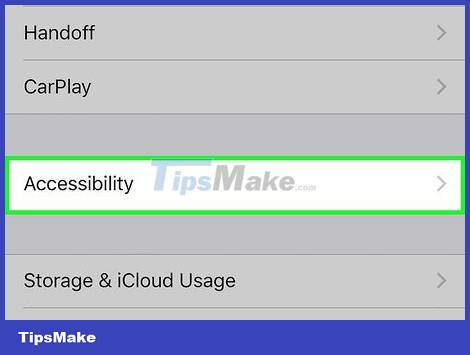
Tap the Accessibility item. This item sits alone near the center of the settings menu.
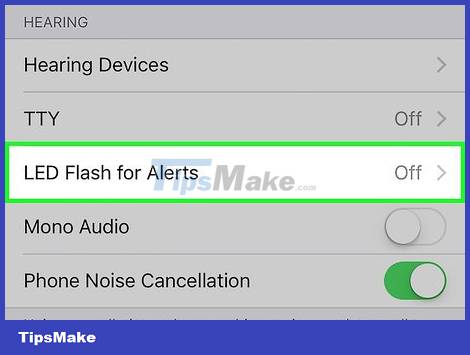
Scroll down and tap the LED Flash for Alerts feature. This feature is near the bottom of the menu under "Hearing".
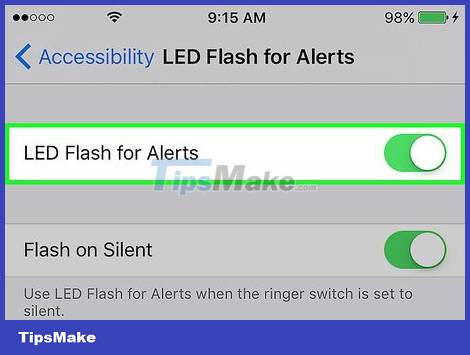
Slide the button next to the "LED Flash for Alerts" feature to the "On" state. This button will turn green. Remember to also switch the Flash on Silent button to "On".
The LED Flash for Alerts feature only works when the phone is in sleep or "Locked" state.
Conclusion
Understanding Turn on Flash on iPhone makes it easier to compare options, avoid common mistakes, and apply the information in this guide more effectively. Review the relevant requirements before making changes or choosing a solution.
FAQ
How do you turn on the flash on iphone when a message arrives?
Follow the steps in this guide in order, confirm the required settings or tools, and verify the result before making additional changes.
Is it safe to turn on the flash on iphone when a message arrives?
It is generally safe when you follow the recommended instructions, use trusted tools, and avoid changing settings you do not understand.
What should you do if the process does not work?
Recheck the requirements, restart the device or application when appropriate, and review each step for missed settings or compatibility issues.
Related Articles
 How to Turn Off Displaying Message Preview Content on iPhone5 minutes read
 Fix Broken iPhone Error6 minutes read
 How to Enable and Disable Screen Flash Effects on Windows 115 minutes read
 How to Enable Message Vibration on iPhone3 minutes read
 Top App Flashes Automatically When a Call, Message5 minutes read
 Small Tips to Turn on 2 Flash at the Same Time on iPhone4 minutes read
Reader Comments 0
Sign in with email or Google to join the discussion.