Table of Contents
This guide explains how to turn Off the Computer with an Extremely Fast Keyboard on Windows 10, with clear steps, practical tips, and important checks before you begin.
Method 1: Applies to all windows versions
This is the simplest and most common way that people use, it is when on the Desktop you press Alt + F4 then press Enter and the computer will turn off.
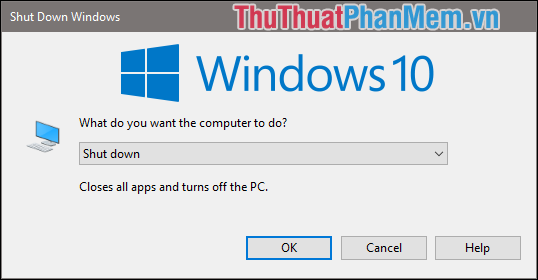
Note that you must be on the Desktop and not open any applications, you can press Windows + D to return to the Desktop quickly.
Method 2: Apply for Windows 7
For windows 7 you can turn off the computer quickly by pressing the Windows key +> the right arrow, then press Enter is the computer off.

Method 3: Apply to Windows 10, 8.1 and 8
For Windows 8, 8.1 and 10 operating systems, press the following key combination:
Windows + X then press U twice to turn off the computer:

Above is a tutorial on how to turn off the computer very quickly with shortcuts on windows 10 and windows 7, hope you will find the article useful. Good luck!
FAQ
What should I know about Turn Off the Computer with an Extremely Fast Keyboard on Windows 10?
Focus on the key features, requirements, limitations, and practical use cases explained in this guide.
How do I get the best results with Turn Off the Computer with an Extremely Fast Keyboard on Windows 10?
Follow the recommended steps, use current software or information, confirm compatibility, and review settings before major changes.
Are there any risks or limitations?
Potential limitations depend on compatibility, data quality, cost, privacy, support, and how the product or method is used.
Related Articles
 Shortcut Shutdown Win 10 - Turn Off Windows 10 with an Extremely Fast6 minutes read
 Disable Windows 10 Keyboard in 5 Simple Ways6 minutes read
 How to Disable Fast Startup on Windows3 minutes read
 How to Lock the Laptop Keyboard to Use the Removable USB Keyboard4 minutes read
 How to Turn Off Your Computer Quickly with a Keyboard on Windows4 minutes read
 How to Turn Off the Computer Quickly with the Keyboard4 minutes read
Reader Comments 0
Sign in with email or Google to join the discussion.