Table of Contents
This updated guide examines Create a Word Table: How to Separate Tables and Join Word Tables and organizes the essential facts, background, and practical takeaways in clear American English.
- Word 2016 Complete Guide (Part 13): Divide the text column
- Instructions to add background color to each cell in the table on Word
- Complete guide for Word 2016 (Part 12): How to break pages, split sections
- Tips for handling columns in Microsoft Word
Instructions for splitting and joining Word tables
Step 1:
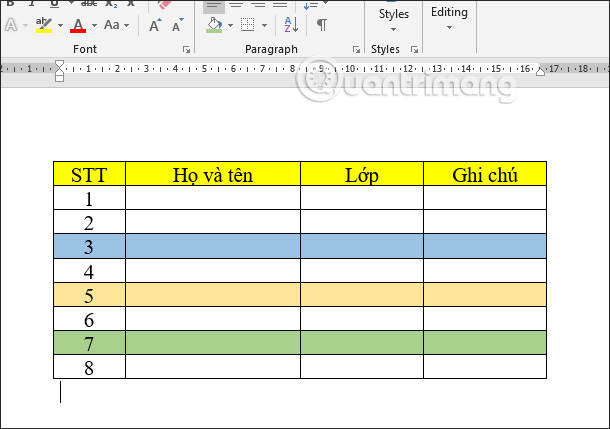
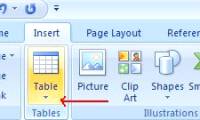
We click Insert and select Table to proceed to create the Word table.

Users enter content for the Word table as usual.
Step 2:
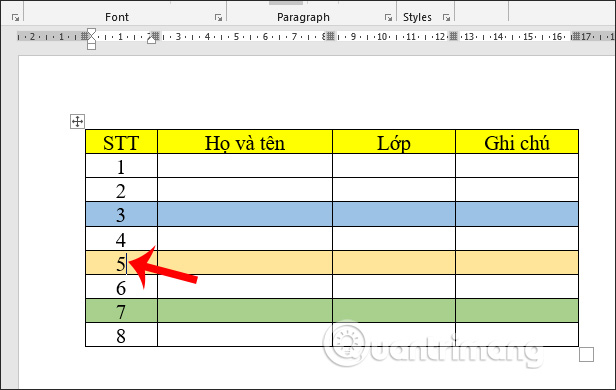
Next we place the mouse pointer in any cell that you want the row to be the first row of the second table after the split. For example, I will separate from row 5 in the Word table, then click on cell number 5.
Step 3:
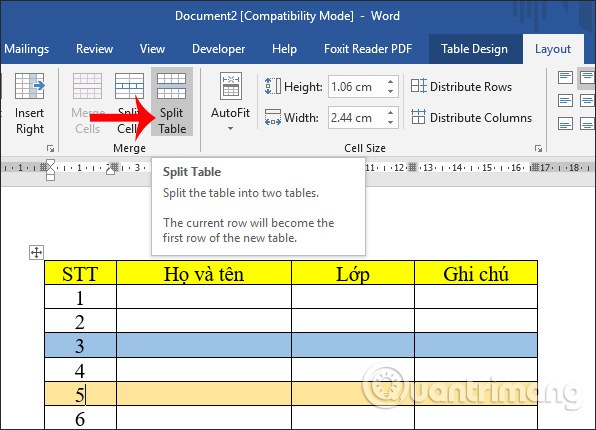
Click on the Layout tab on the interface and then click on the Split Table below to proceed with separating the tables.
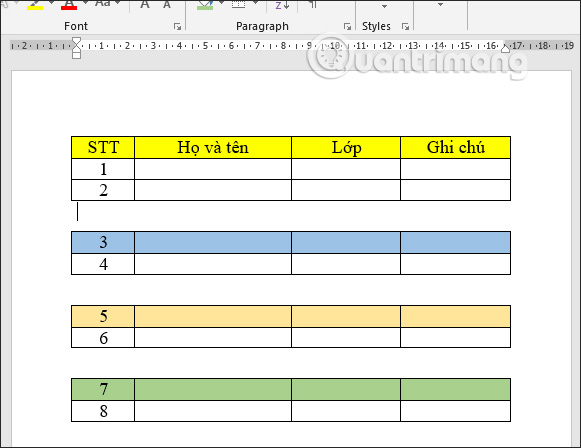
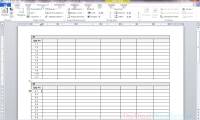
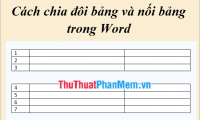
The result of the table has been split into 2 at the exact location where we place the mouse pointer and the cursor is the first line of the table. The formats in the table are preserved.
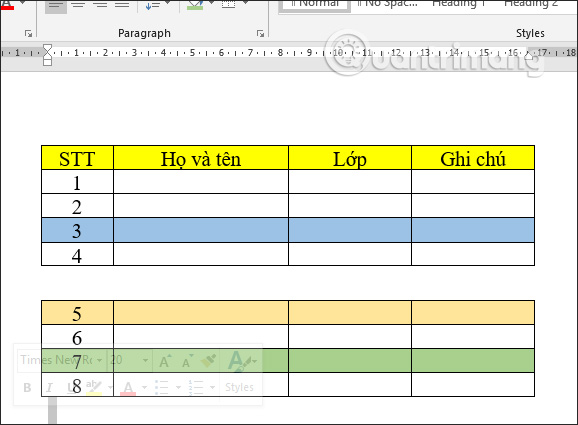
We continue to do so to separate into many different tables, depending on the content requirements.
Step 4:
To join the tables together , move the mouse pointer to the second table until the 4-dimensional arrow icon appears.
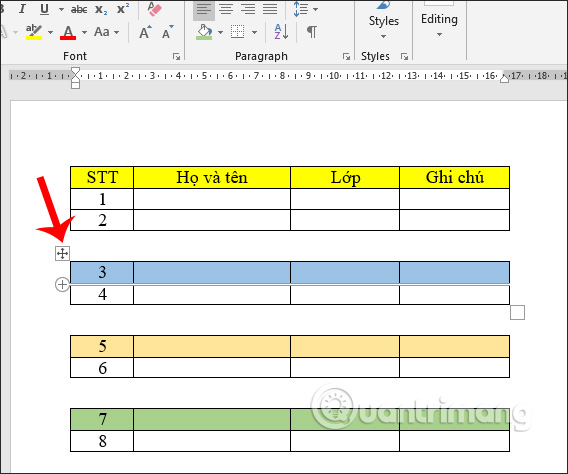
Step 5:
We press and hold the icon and drag the second table to the end of the last line of Table 1 .
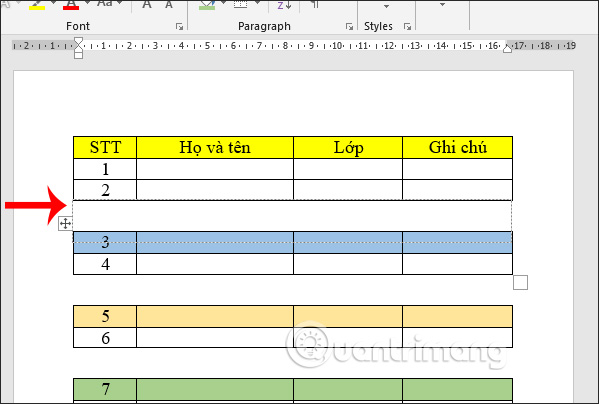
The results of the two tables have been joined together as originally.
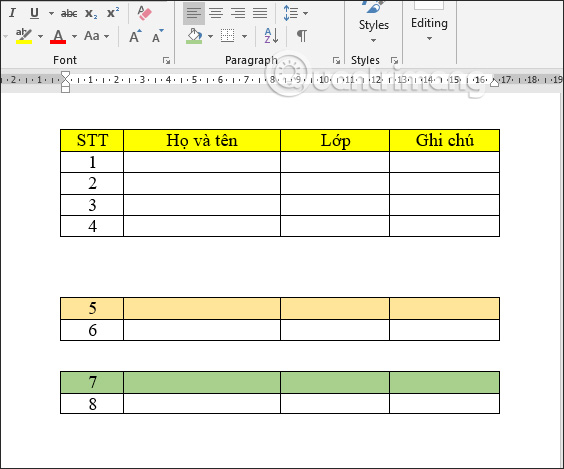
The operation of dividing tables and separating tables on Word is very simple. With the split table operation, the user has a split option available. If you want to rejoin the table, just drag them together.
I wish you all success!
FAQ
What is Create a Word Table: How to Separate Tables and Join Word Tables about?
It provides a structured overview of create a word table, explains the main context, and highlights practical takeaways for readers.
Why does this topic matter?
Understanding the main concepts helps readers evaluate the issue, avoid common mistakes, and make better-informed decisions.
How should readers use this information?
Use the guidance as a practical starting point, confirm details that may have changed, and follow current product, safety, or security recommendations.
Related Articles
 How to Split Tables, Join Tables in Word2 minutes read
 How to Split Tables and Join Tables in Word3 minutes read
 How to Insert and Create Tables in Word 2016: Step-by-Step Guide7 minutes read
 Instructions for Deleting Table Paths in Word4 minutes read
 MS Word - Lesson 8: Creating a Table: Microsoft Word 20073 minutes read
 How to Create Tables, Draw Tables in Word: Step-by-Step5 minutes read
Reader Comments 0
Sign in with email or Google to join the discussion.