Table of Contents
This updated guide examines Hidden: How to Make an Invisible File and organizes the essential facts, background, and practical takeaways in clear American English.
Method 1of 4:
Hiding Your File (Windows)
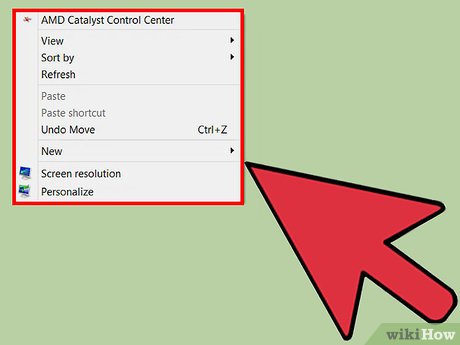 Right-click your desktop. You'll need to create a regular file here first.
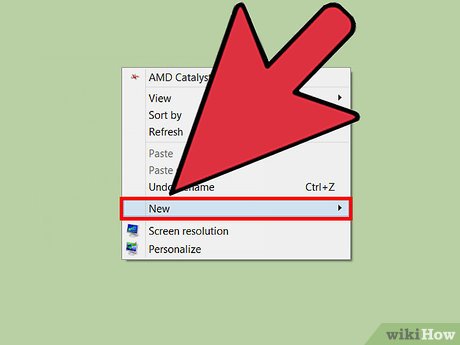 Hover over "New".
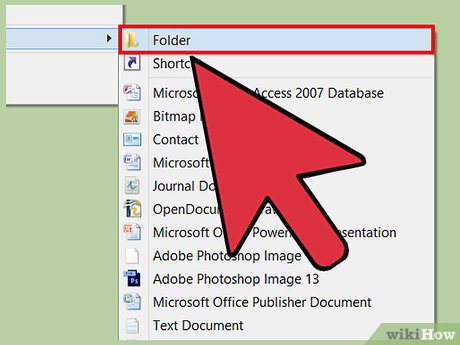 Click a file type. "Folder" or "Text Document" are quick and simple choices.
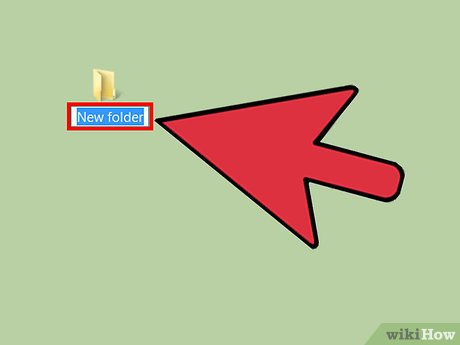 Type in a name for your folder.
 Hit↵Enter.
 Right-click your file. EXPERT TIP
 Apple Authorized Service Provider Mobile Kangaroo is a full service repair shop and Apple Authorized Service Provider headquartered in Mountain View, CA. Mobile Kangaroo has been repairing electronic devices such as computers, phones, and tablets, for over 16 years, with locations in over 20 cities.
 Mobile Kangaroo Apple Authorized Service Provider
In Windows, start by right-clicking on your file. Select 'Properties' and then check the 'Hidden' attribute and press 'OK.'
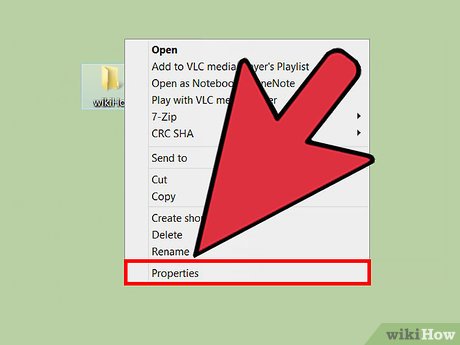 ClickProperties.
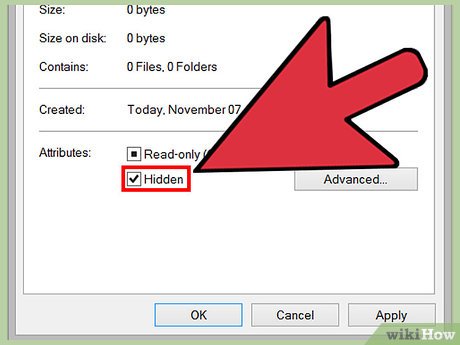 Check the "Hidden" box.
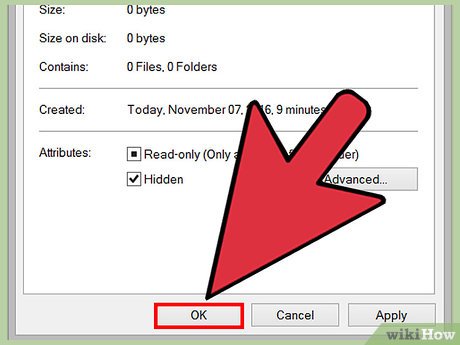 ClickOK. Your file is now hidden, meaning it won't show up in search queries or your File Explorer app; however, if you create a regular folder in the same directory with the same name, it will rename itself to be "Filename (2)", which betrays the fact that you have a hidden folder in that directory.
- Your file is also literally invisible unless your computer is currently displaying hidden files and folders.
Method 2of 4:
Finding Your File (Windows)
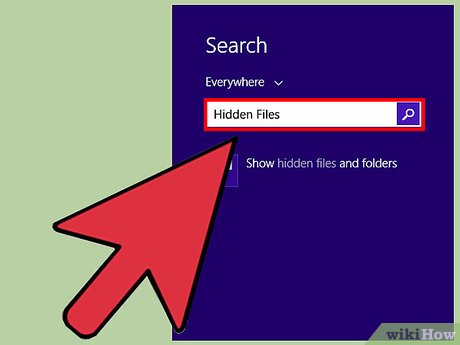 Type "hidden files" into the Start search bar.
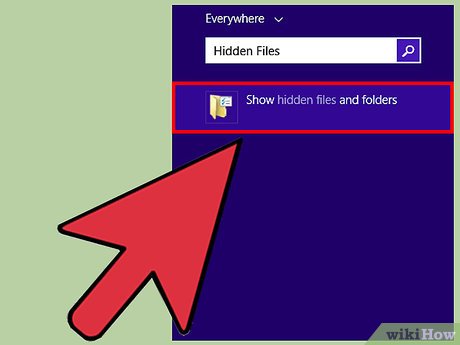 Click "Show hidden files and folders". This should be the first item in the search list.
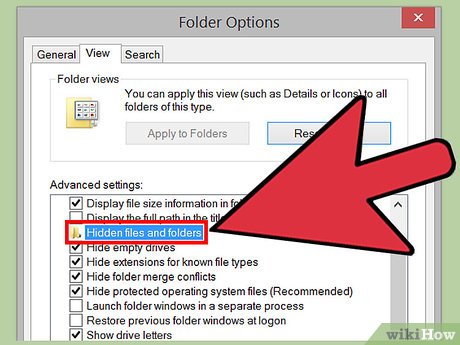 Double-click "Hidden files and folders". If this option already shows two sub-options indented below it, skip this step.
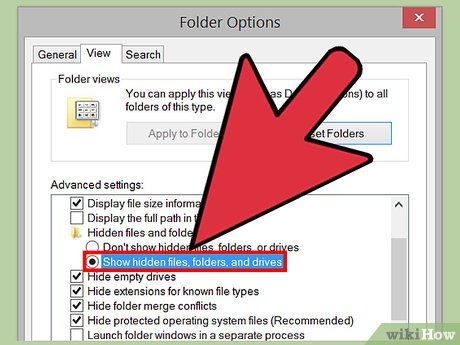 Click "Show hidden files, folders, and drives".
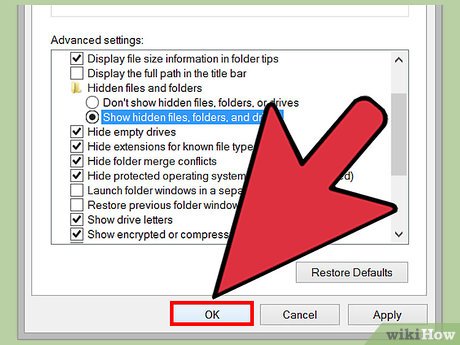 ClickOK.
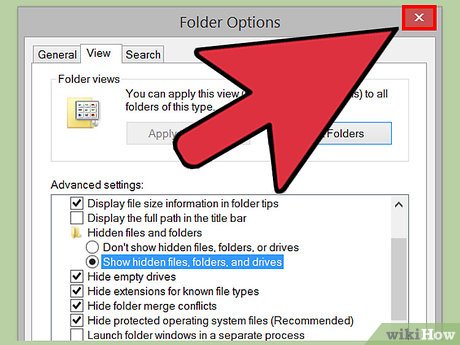 Close the "Hidden files" menu.
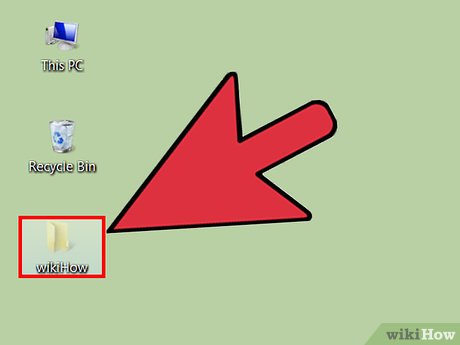 Return to your desktop. You should now see your previously-hidden file! It will appear transparent to indicate its "hidden" attribute.
- To hide your files again, return to the "Hidden files and folders" menu and click "Don't show hidden files, folders, or drives".
Method 3of 4:
Hiding Your File (Mac)
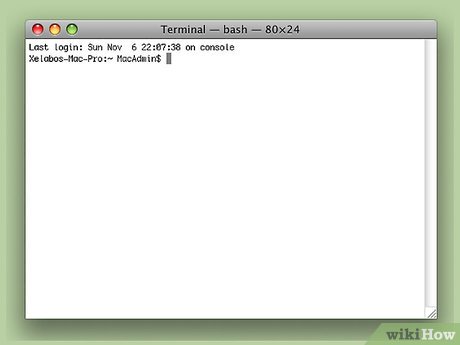 Two-finger click your desktop. You'll need to use the "Terminal" app to hide your folder. EXPERT TIP
Mobile Kangaroo
Apple Authorized Service Provider Mobile Kangaroo is a full service repair shop and Apple Authorized Service Provider headquartered in Mountain View, CA. Mobile Kangaroo has been repairing electronic devices such as computers, phones, and tablets, for over 16 years, with locations in over 20 cities. Mobile Kangaroo Apple Authorized Service Provider
In MacOS, you need to use the 'Terminal' app. Type "chflags hidden' and drag the file or folder to the Terminal window to specify its location. When you press 'Return' the file is safely out of sight.
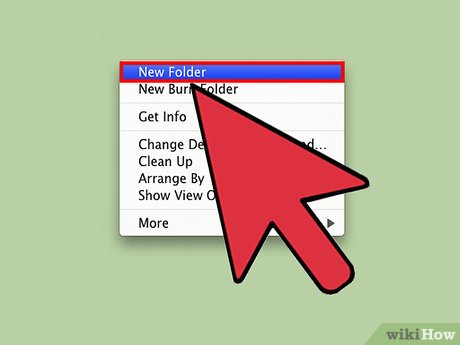 ClickNew Folder.
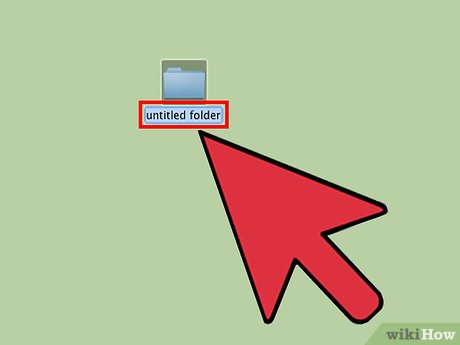 Type in a name for your folder.
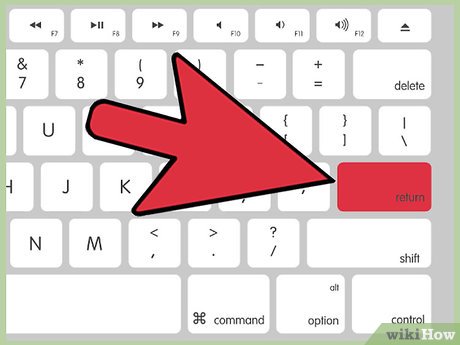 Tap⏎Return.
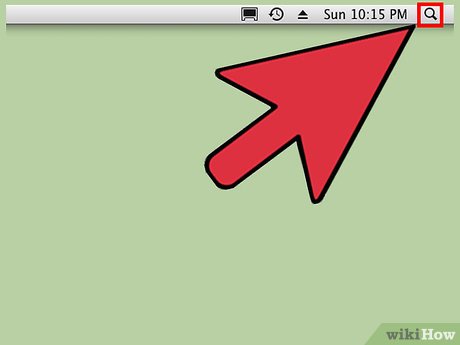 Click the magnifying glass icon. This is in the top right corner of your screen.
- You can also hold⌘Commandand tapSpacebar.
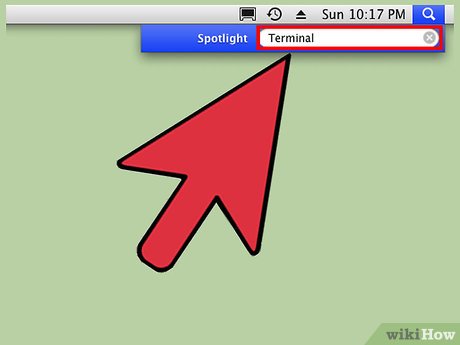 Type in "Terminal".
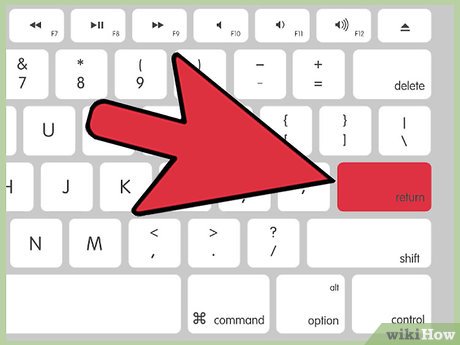 Tap⏎Return.
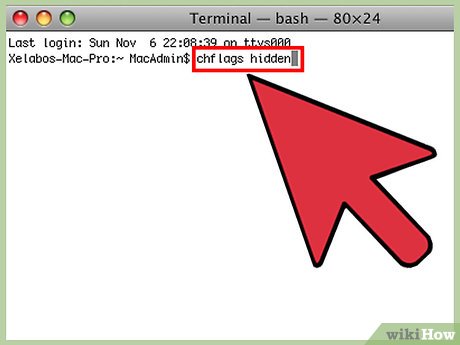 Type
Typechflags hidden.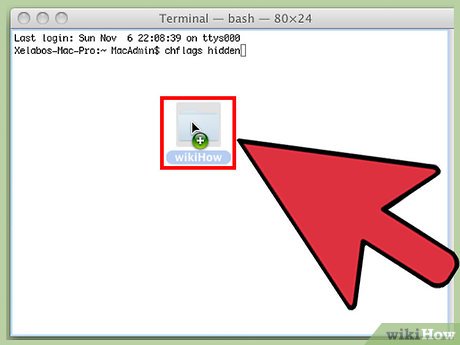 Drag your folder into Terminal.
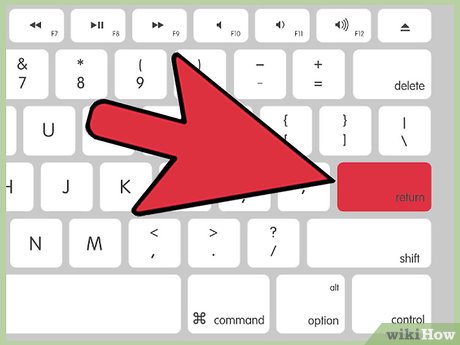 Tap↵Enter. Your folder should now be hidden from view![1]
- Hidden folders on a Mac are invisible unless you type a specific command into Terminal.
Method 4of 4:
Finding Your File (Mac)
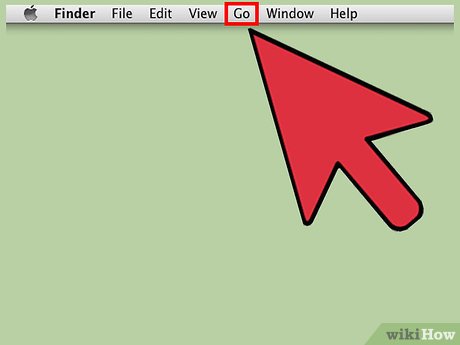 ClickGo. This is in your screen's top right corner tool bar.
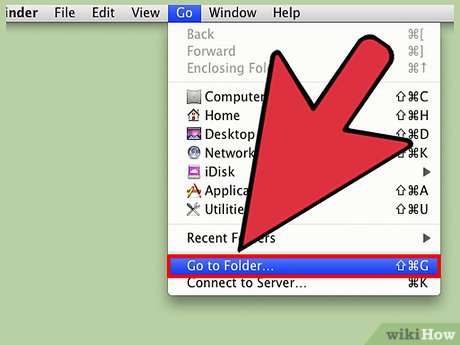 ClickGo to Folder.
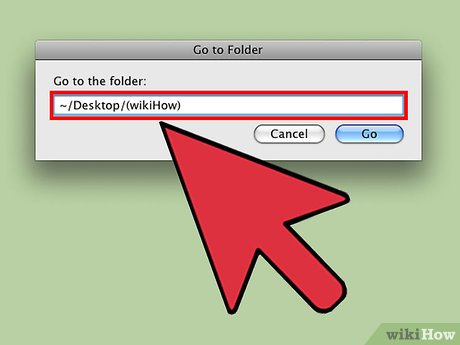 Type in
~/Desktop/(FolderName).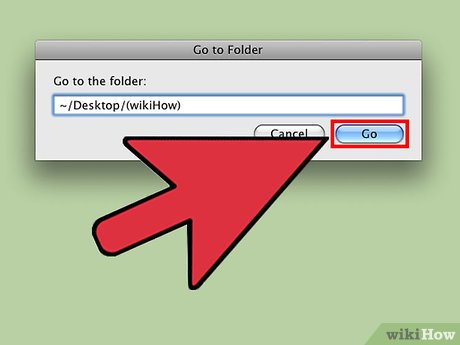 ClickGo. You should now be viewing your folder's contents!
- Any files you place in your folder will also be hidden.
FAQ
What is Hidden: How to Make an Invisible File about?
It provides a structured overview of hidden, explains the main context, and highlights practical takeaways for readers.
Why does this topic matter?
Understanding the main concepts helps readers evaluate the issue, avoid common mistakes, and make better-informed decisions.
How should readers use this information?
Use the guidance as a practical starting point, confirm details that may have changed, and follow current product, safety, or security recommendations.
Related Articles
 How to Send Invisible Messages on iPhone2 minutes read
 This Little Trick Can Make Your Widget Invisible on iOS 143 minutes read
 Samsung Launches an Invisible Keyboard That Works with the Selfie3 minutes read
 How to Use Carburetor to Make Yourself Invisible Online: Step-by-Step Guide6 minutes read
 How to Create Invisible Folders on Windows 10 Desktop4 minutes read
 What Is DMG File?7 minutes read
Reader Comments 0
Sign in with email or Google to join the discussion.