Table of Contents
Overview
This guide explains how to delete blank pages in Word is simple but not everyone knows in clear, practical terms. It covers the key concepts, recommended steps, common limitations, and useful checks so you can make a better-informed decision.
When editing and printing documents in Word, many users encounter the phenomenon of blank pages between text sections. This error is quite common and can be found in any version of Word from 2003, 2007, 2010 to the latest versions such as 2013 and 2016. How to delete blank pages in Word is straightforward but not everyone knows. If you are among those who do not know, do not worry, follow the instructions below of this guide!
Delete blank pages in Word using the Paragraph tool
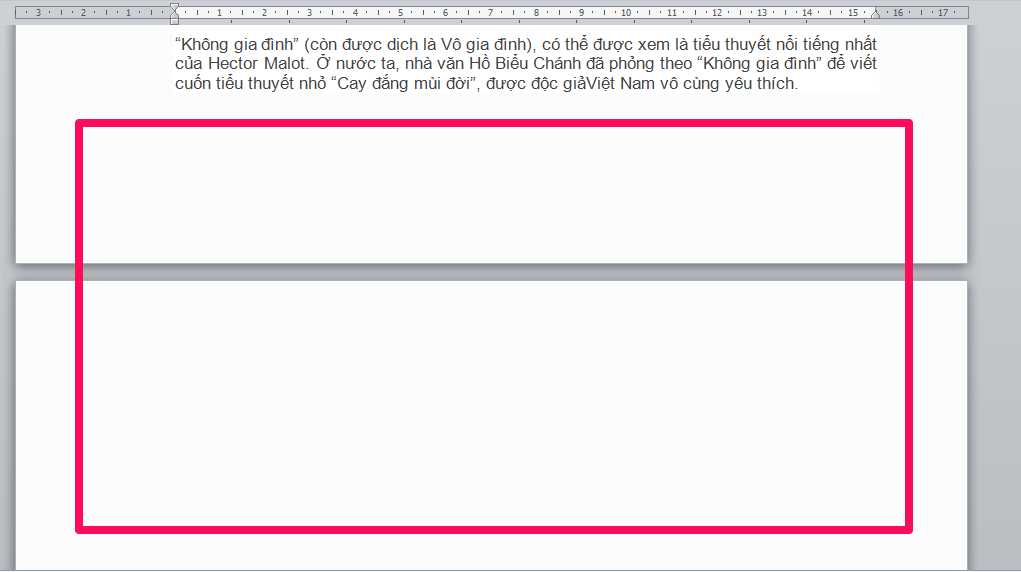
Step 1: Look at the toolbar and you will see the Paragraph icon. We will use this tool to mark all blank pages in Word.
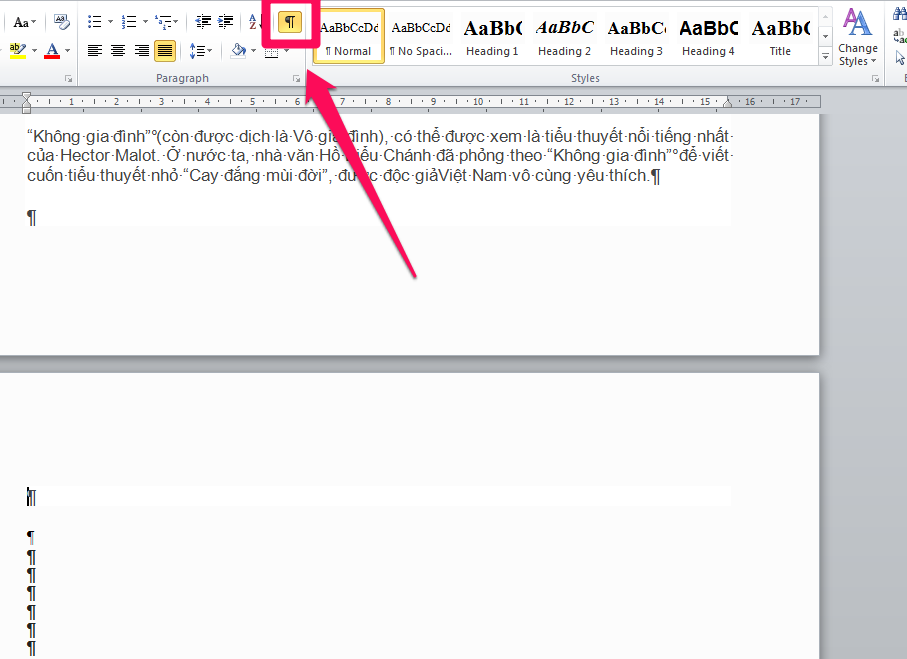
Step 2: Highlight all blank pages appearing by Paragraphs and press Delete to delete blank pages in Word.

Step 3: After deleting, you will see that the blank pages have been completely deleted.

Step 4: Remove Paragraph to return the text to normal after deleting blank pages in Word 2016, 2013, 2010 and 2007.

Delete blank pages directly on Word
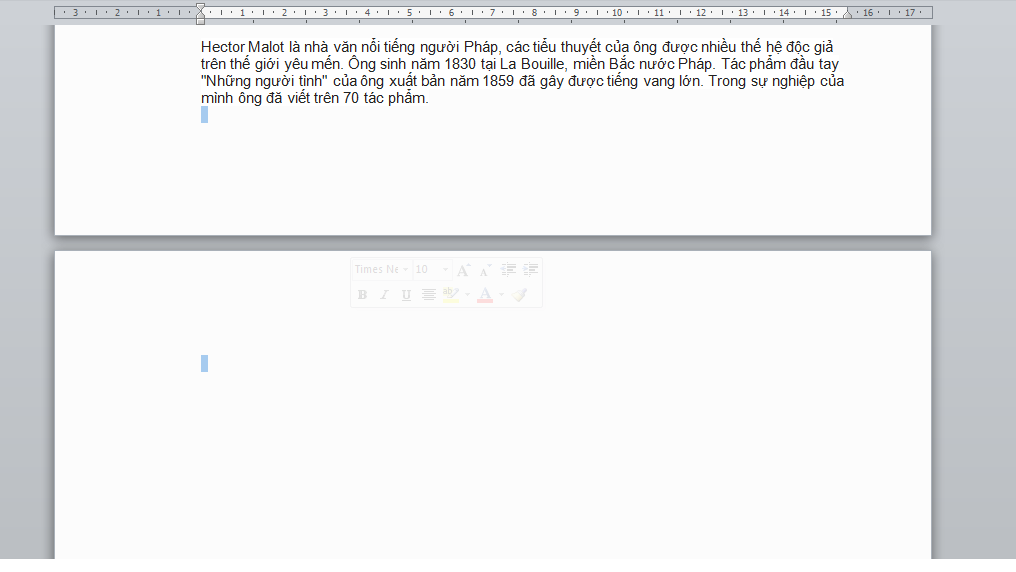
If the number of blank pages is small, only 1 to 2 pages, we can delete directly on Word right in the text editor. You just need to open the word file with the blank page, then just do the simplest operation, which is to click the mouse cursor on the part with text at the bottom of the page. Next, you can press delete or select backspace, the entire blank page will be deleted.
Key Takeaways
Use the guidance above as a practical reference for delete blank pages in Word is but not. Check compatibility, follow the steps carefully, and verify important details with official documentation when software, security, accounts, health, or purchases are involved.
FAQ
How do I delete blank pages in Word is simple but not everyone knows?
Follow the steps in this guide in order, confirm each setting before continuing, and save, restart, or reconnect the device when the instructions require it.
What should I check before I begin?
Confirm the correct device, account access, software version, compatibility, and a current backup whenever the process could affect files, settings, or security.
What should I do if the process does not work?
Repeat the steps carefully, check for model or version differences, install available updates, and consult the manufacturer's official support documentation.
Related Articles
 How to Delete Blank Pages in Word: Step-by-Step Guide2 minutes read
 How to Delete Redundant, Blank Pages in Word3 minutes read
 How to Delete White Pages in Word Is Easy: Delete Word White Pages3 minutes read
 How to Delete Blank Pages in Word 20163 minutes read
 How to Remove a Blank Page in Word5 minutes read
 Delete Pages in Word - Instructions on How to Delete Pages in Word4 minutes read
Reader Comments 0
Sign in with email or Google to join the discussion.