Table of Contents
This updated guide examines How to Check Your Windows Version and organizes the essential facts, background, and practical takeaways in clear American English.
Part 1of 3:
Finding Your Windows Version in Run
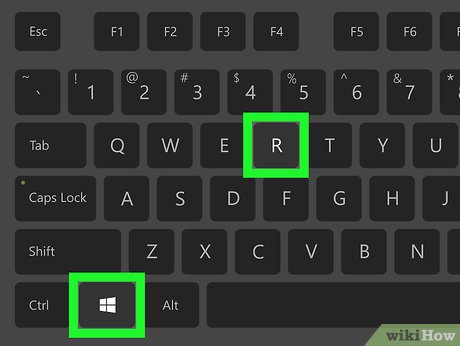 Press the⊞Win+Rkeys together. This opens the Run dialogue box on Windows.
- Alternatively, you can right-click the Start menu button and click Run .
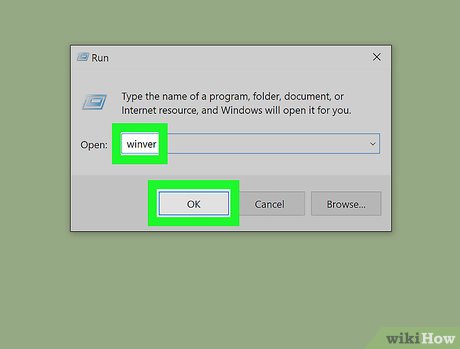 Typewinverand hit↵Enteror clickOK. This opens "About Windows" in a separate window.
 Check your version. Your Windows release will be displayed at the top of the About Windows window. Your windows version is displayed next to "Version" and your build number is displayed next to "Build" to the right of "Version. (e.g. "Version 6.3 (Build 9600)").[1]As of August 2019, the latest version of Windows 10 is Version 1903.
- If you are not running the latest version of Windows, it's recommended that you Update Windows immediately.
Part 2of 3:
Find Your Windows Version in Settings
 Click the Windows Start menu
 . It's the button with the Windows logo. By default, it's in the lower-left corner in the Windows taskbar. This displays the start menu.
 Click the gear icon
 . It's in the sidebar to the left of the Windows Start menu. This displays the Settings menu.
 ClickSystem. It's next to an icon that resembles a laptop computer. It's the first option in the Windows Settings menu.
 ClickAbout. It's the last option in the sidebar to the left. This displays information about your system.
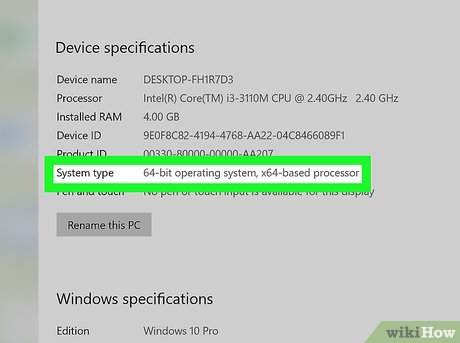 Scroll down and check your device and Windows specifications. This information is displayed on the "About" page in Windows Settings. As of August 2019, the latest version of Windows 10 is Version 1903.
- Your system type (i.e. 32-bit/64-bit) is displayed next to System Type below "Device Specifications".
- Your Windows Edition (i.e. Windows 10 Home) is displayed next to Edition below "Windows Specifications".
- Your Windows version is displayed next to Version below "Windows Specifications".
- Your Windows Build number is displayed next to OS Build on below "Windows Specifications".
Part 3of 3:
Determining if Windows is 32-Bits or 64-Bits
 Click the Windows Start menu
 . It's the button with the Windows logo. By default, it's in the lower-left corner in the Windows taskbar. This displays the start menu.
- Alternatively, you can press the Win + Pause keys to display the System Information screen in the Control Panel.
 TypeControl Panel. This displays the Control Panel in the Start menu.
 Click the Control Panel icon. It has an icon that resembles a blue screen with graphs. This opens the Control Panel.
 ClickSystem. You will find your system information displayed in this Window.
- Your Windows Edition (i.e. Windows 10 Home) is displayed below "Windows edition".
- Your system type (i.e. 32-bit/64-bit) is displayed next to System Type below "System".
FAQ
What is How to Check Your Windows Version about?
It provides a structured overview of windows, explains the main context, and highlights practical takeaways for readers.
Why does this topic matter?
Understanding the main concepts helps readers evaluate the issue, avoid common mistakes, and make better-informed decisions.
How should readers use this information?
Use the guidance as a practical starting point, confirm details that may have changed, and follow current product, safety, or security recommendations.
Related Articles
 How to Check Windows 11 Version5 minutes read
 How to Check the PHP Version6 minutes read
 How to Check BIOS Version in Windows 113 minutes read
 How to Check the Current Driver Version of the Computer3 minutes read
 How to Check TPM Version Before Upgrading to Windows 116 minutes read
 How to Check and Update New Git Version on Windows3 minutes read
Reader Comments 0
Sign in with email or Google to join the discussion.