Table of Contents
This updated guide examines How to Create a Custom Windows Command Prompt and organizes the essential facts, background, and practical takeaways in clear American English.
Method 1of 2:
Changing the prompt dynamically
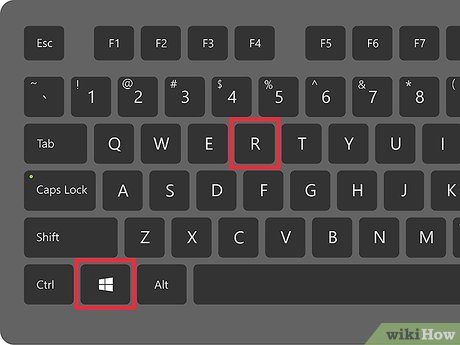 Press windows + r.
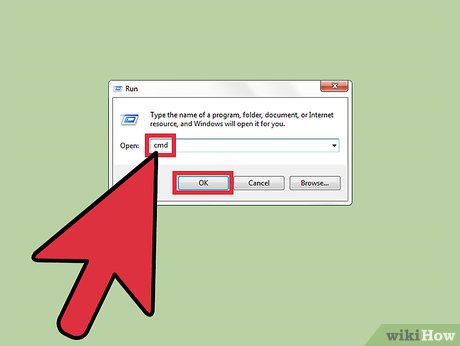 Type 'cmd' in the field and hit enter
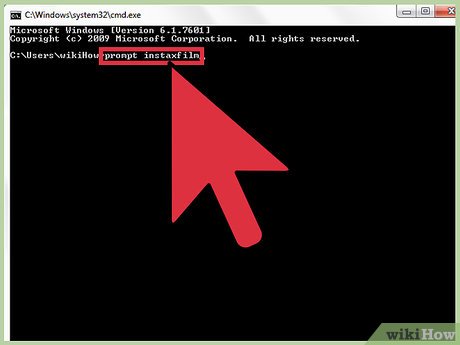 Type 'prompt', followed by the desired prompt string.
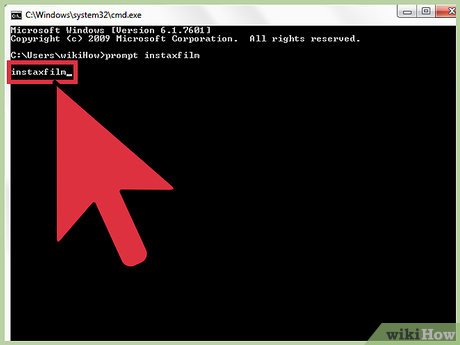
- The new prompt is displayed at the new line.
 Method 2of 2:
Changing the prompt permanently
 Right-click My Computer > Properties.
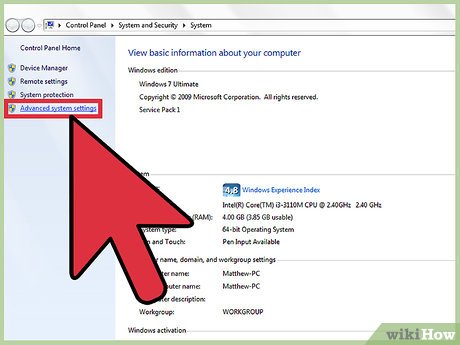 Click on Advanced system settings.
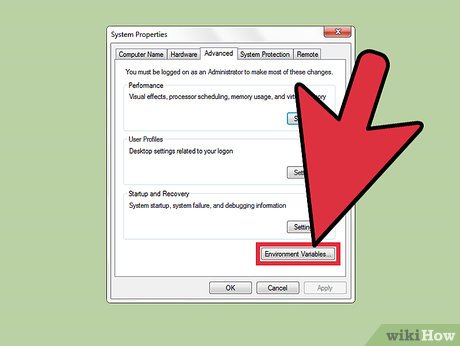 Click on Environment Variables
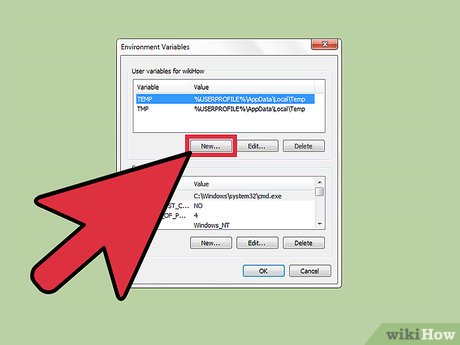 Click New (under user variables).
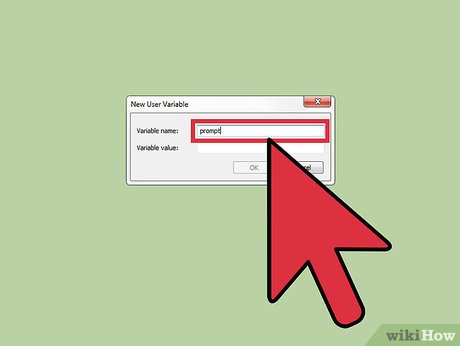 Type 'prompt' in the variable name field.
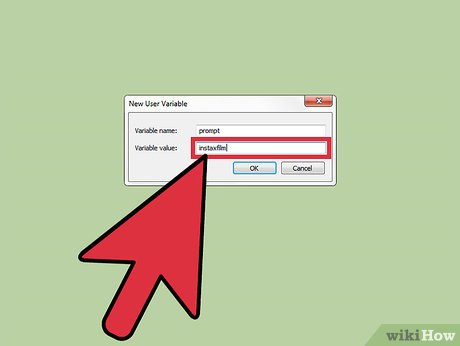 Type the desired prompt string in the variable value field.
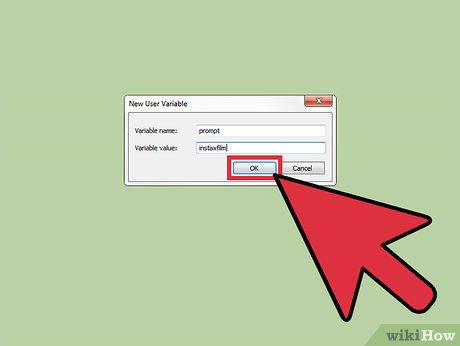 Click OK on each opened dialog.
FAQ
What is How to Create a Custom Windows Command Prompt about?
It provides a structured overview of prompt, explains the main context, and highlights practical takeaways for readers.
Why does this topic matter?
Understanding the main concepts helps readers evaluate the issue, avoid common mistakes, and make better-informed decisions.
How should readers use this information?
Use the guidance as a practical starting point, confirm details that may have changed, and follow current product, safety, or security recommendations.
Related Articles
 How to Use the Command History Function in Command Prompt9 minutes read
 How to Open Command Prompt on Windows 10, 8, 7, Vista and XP6 minutes read
 Add Command Prompt to Power User Menu on Windows 103 minutes read
 Use the Command in Windows: How to Using Command Prompt20 minutes read
 How to Create and Delete Files or Folders from Windows Command Prompt Explained10 minutes read
 How to Add and Delete User Accounts with Command Prompt on Windows: Clear5 minutes read
Reader Comments 0
Sign in with email or Google to join the discussion.