Table of Contents
This updated guide examines How to Build a Video Hosting Site on Your Windows 2003 Server and organizes the essential facts, background, and practical takeaways in clear American English.
Method 1of 5:
Setup on Windows 2003 Server
- Step 1: Setup folders and files
- Step 2: Create Application Pool for the internet site
- Step 3: Configure the internet site
- Step 4: Create MIME Map for.flv files
- Step 5: Test your Web site
Method 2of 5:
Setup folder and files
- Log on to your server with Administrator privilege.
- Download Flash Video Encoder and install it on your Web server.
- Find the file fvec-asp-demo.zip file in the installation folder of Flash Video Encoder for Adobe Flash (Command-Line Version); Open it with WinZip and extract the files to a sub-folder under your wwwroot folder, for example, c: inetpubwwwrootfvec.
- If you have changed the installation folder of Flash Video Encoder for Adobe Flash (Command-Line Version), you should open file fvec.asp and change the path to the correct one.
 Assign "full control" permission to account "IUSR_COMPUTERNAME" for folder"c: inetpubwwwrootfvecfiles". By default, video files uploaded by users and encoded *.flv files will be stored in this folder.
- Assign "full control" permission to account "IUSR_COMPUTERNAME" for file "c: inetpubwwwrootfvecfvec.mdb". In this demo site, we use Microsoft Access database to simplify the configuration. If you would like to use other databases, for example, SQL Server or Oracle, you can open the file db.inc and modify the database provider and connection string yourself.
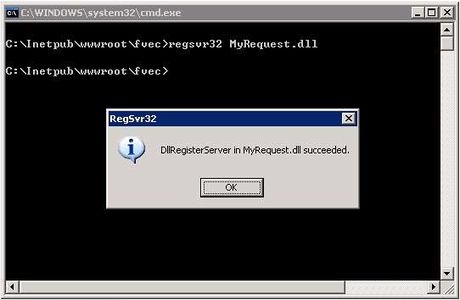 Open Command Prompt. Change the current directory to "c:inetpubwwwrootfvec" and register MyRequest.dll using regsvr32.exe. This will install a component for ASP to handle file uploading.
Method 3of 5:
Create Application Pool for the internet site
- Open Internet Information Service Manager.
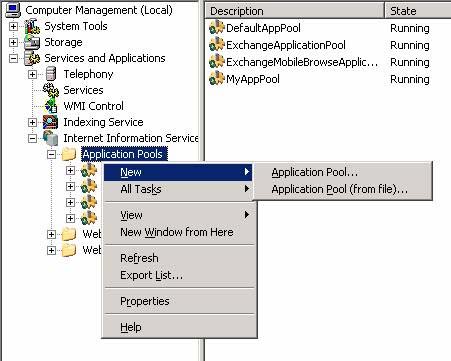 Expand the "Internet Information Services (IIS) Manager" node. Right click the "Application Pools" node and select New > Application Pool.
- Give a name for the new Application Pool, for example, "MyAppPool" and click OK.
- Expand the "Application Pools" node, and right click "MyAppPool", select Properties.
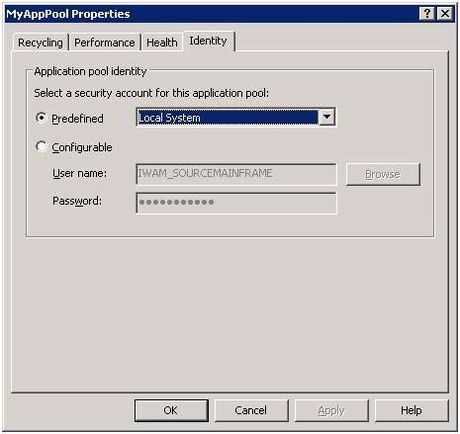 Click the "Identify" page, change the predefined security account from "Network Service" to "Local System" and click OK.
Method 4of 5:
Configure the internet site
- Open Internet Information Service Manager.
- Expand the "Internet Information Services (IIS) Manager" node. Right click your Web site and select "Properties".
- Change the Execute permissions to "Scripts and Executables".
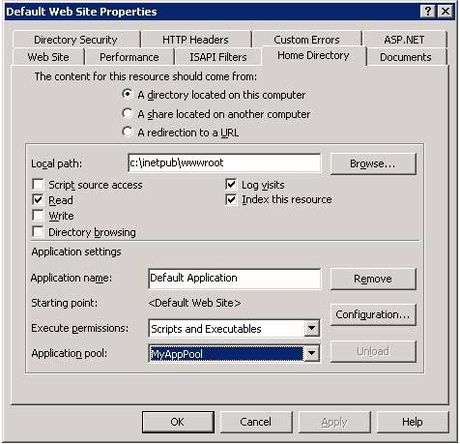 Change the Application pool to "MyAppPool".
- Change the file uploading limitation of IIS. By default, IIS does not allow users to upload files larger than 200 KB.
- Open Internet Information Service Manager.
- Right click the "Internet Information Services (IIS) Manager" node and select "Properties". Select "Enable Direct Metabase Edit" and click OK.
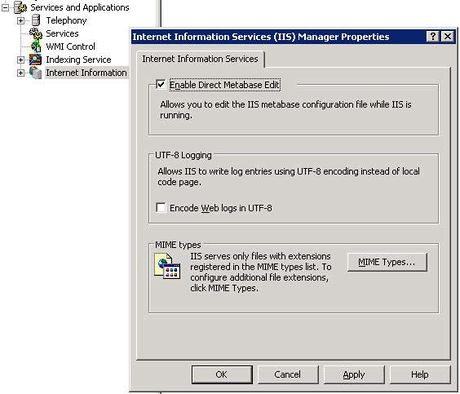
- Open C:WINDOWSsystem32inetsrvMetabase.xml with a text editor; Find AspMaxRequestEntityAllowed and change its value to a proper value.
- Save Metabase.xml and restart IIS.
Method 5of 5:
Create MIME Map for.flv files
- Select the site to configure in IIS, right click and select "Properties".
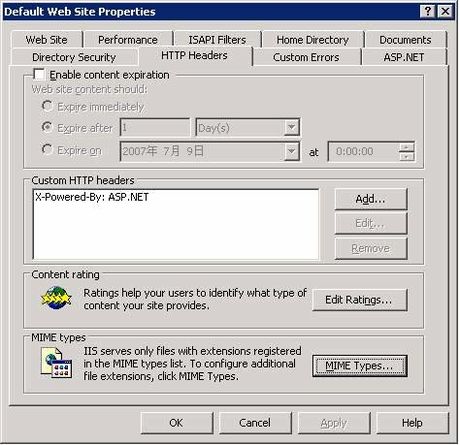 Under HTTP Headers Tab, click the "MIME Types" button and select "New".
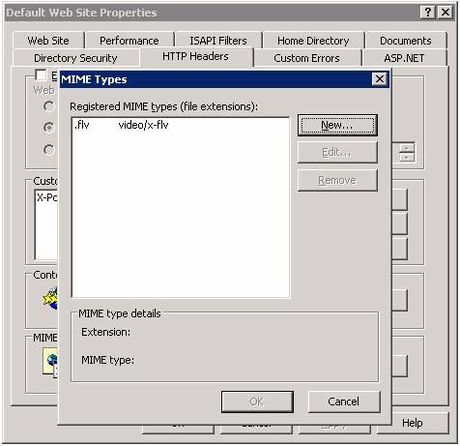 Enter ".flv" as the extension and "video/x-flv" as the MIME type and click OK.
FAQ
What is How to Build a Video Hosting Site on Your Windows 2003 Server about?
It provides a structured overview of click, explains the main context, and highlights practical takeaways for readers.
Why does this topic matter?
Understanding the main concepts helps readers evaluate the issue, avoid common mistakes, and make better-informed decisions.
How should readers use this information?
Use the guidance as a practical starting point, confirm details that may have changed, and follow current product, safety, or security recommendations.
Related Articles
 What Is Hosting? Hosting Used to Do? Features, Uses, and Key6 minutes read
 The Difference Between Linux Hosting and Windows Hosting7 minutes read
 Dos and Don’ts of Web Hosting for Beginners8 minutes read
 3 Ways to Repurpose an Old Windows 10 PC6 minutes read
 The Pros and Cons of VPS Web Hosting7 minutes read
 How Does Cloud Hosting Work?: What Is Cloud Hosting11 minutes read
Reader Comments 0
Sign in with email or Google to join the discussion.