Table of Contents
This guide provides a clear, practical overview of configuration steps for multiple users to remotely connect, with useful context, important details, and straightforward takeaways for everyday readers.
Step 1: Create an account and allow Remote Desktop access
You need to right click on the Start button then select Computer Management

Then, select Local Users and Group , right-click on User and select New User

You create a login account with full information such as User name , Password and then check the options to allow User to change password or not. Click Create

Next, you need to configure to allow the newly created User to connect to Windows Server via Remote Desktop. Press Windows + I to open Settings then select System
Click About in the left sidebar and then scroll down in the right sidebar to select Advanced system setting . If using Control Panel you need to go to System > Advanced system settings

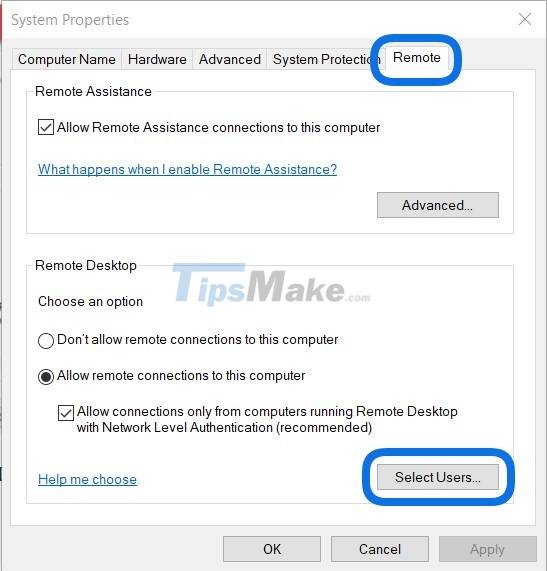
In the new window that appears, click the Remote tab and then click the Select Users.
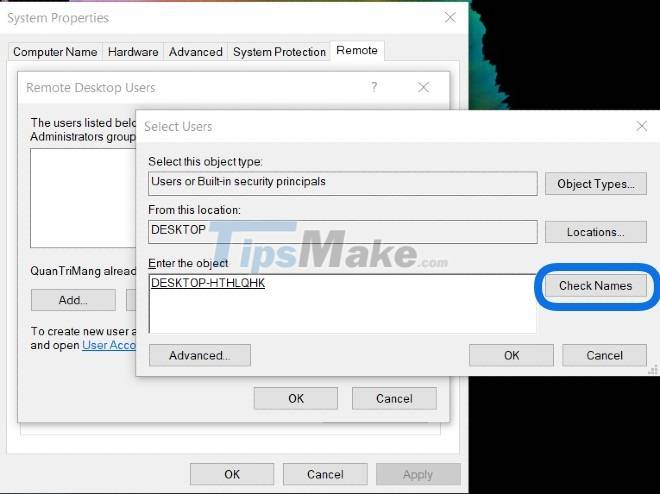
You click the Add button to add a User with Remote Desktop permission . You just need to type the correct User name just created and then click Check Names and the system will automatically find the account with the standard path as shown. Click OK to confirm the account selection
Then a list of accounts allowed to connect will appear

In this section, make sure that Allow connections only from computers. is checked .

Step 2: Allow multiple Users to access with Remote Desktop
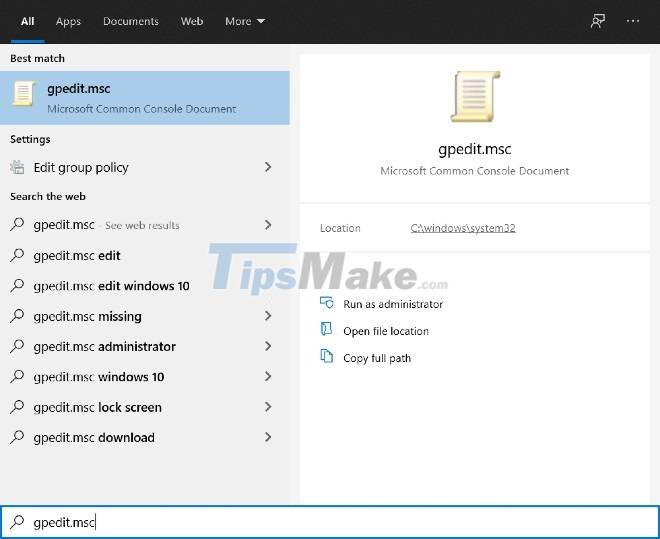
First, you press the Start button then enter gpedit.msc and then double-click to select/open
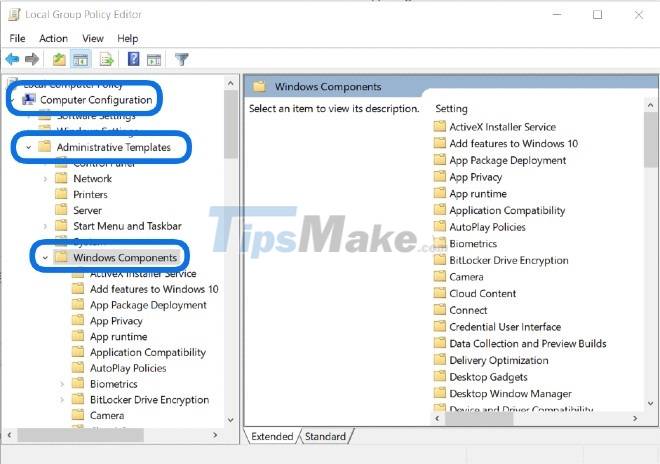
You search in turn to Computer Configuration => Administrative Templates => Windows Components
Continue to access Remote Desktop Services => Remote Desktop Session Host => Connections and then switch to the right to search for Limit number of connections , double click to open

Select Disable and then click OK to limit the number of users accessing. In addition, you can also select Enable to enter the number of people allowed to access in the RD Maximum Connections allowed section . After selecting, click Apply => OK to save

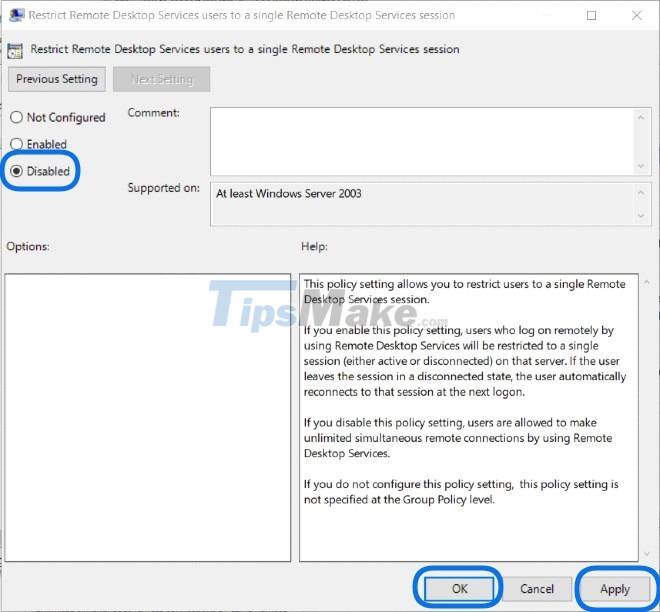
Continue to select and open Restrict Remote Desktop Services.

Select Disable and then click Apply => OK
Step 3: Register the service to allow more than 2 Users to access Remote Desktop
This part was done on Windows Server 2016.
You click Start and then select Server Manager

Next, on the right corner of the Server Manager window, select Manage => Add Roles and Features

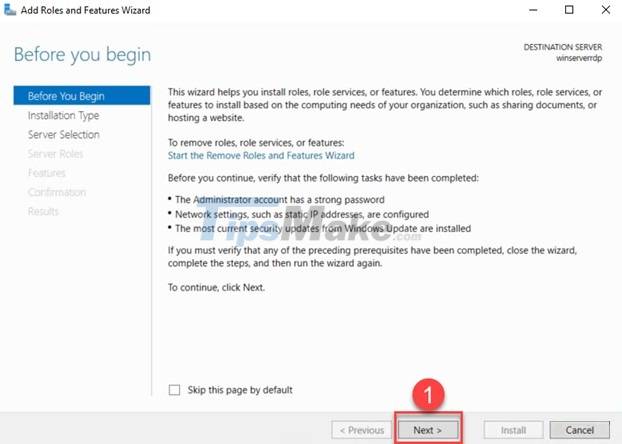
In this new window, click Next to continue
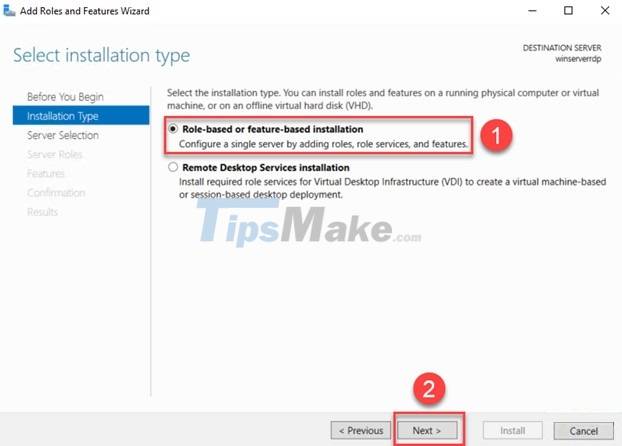
You select Role-based or feature-based installation and then click Next
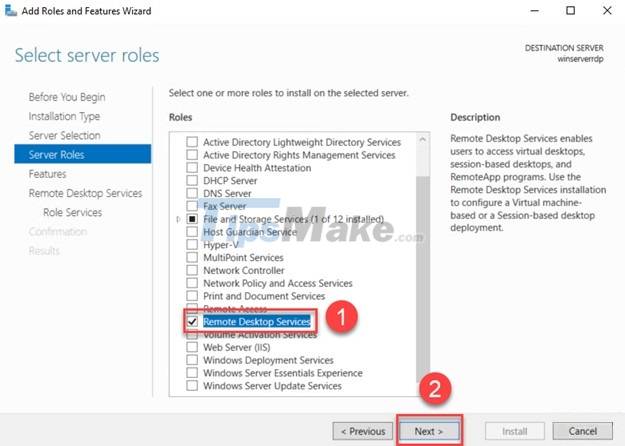
You tick Remote Desktop Services and continue to click Next
Click Next

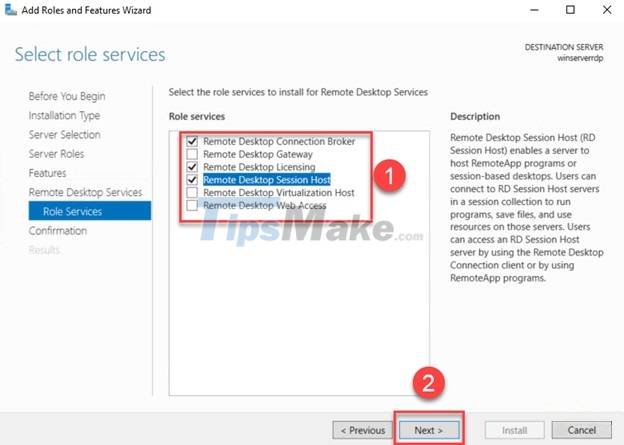
You tick 3 services are: Remote Desktop Connection Broker, Remote Desktop Licensing, Remote Desktop Session Host . After each tick, a confirmation panel will appear, click Add features

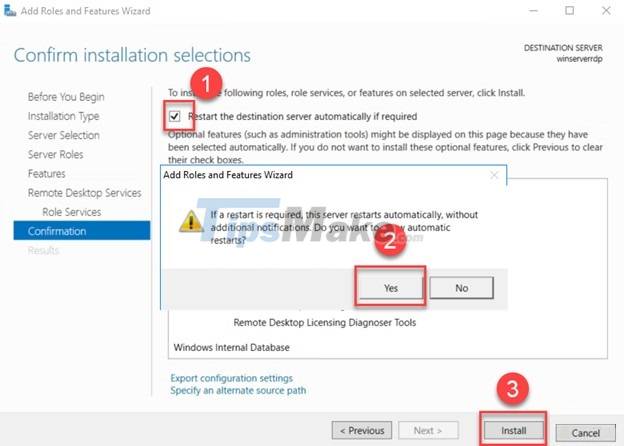
Please tick Restart the destination server. to automatically restart the server after installing the service. Click Yes to confirm then click Install
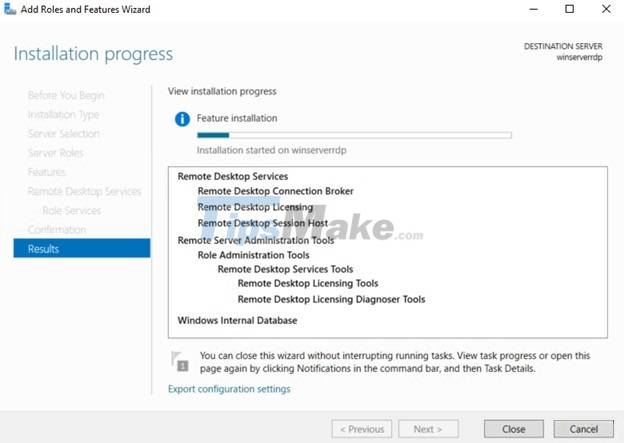
You wait for the server to complete the installation and restart to complete the setup and be able to connect on 2 computers via Remote Desktop to Windows Server 2016.
Good luck!
Key Takeaways
Use the information above as a practical reference for configuration steps for multiple users to remotely connect. Review each step carefully, confirm any requirements, and choose the option that best fits your situation.
FAQ
What does this guide explain about Configuration Steps for Multiple Users to Remotely Connect?
It explains the main concepts, practical considerations, and useful steps related to configuration steps for multiple users to remotely connect without requiring advanced knowledge.
Who can benefit from learning about Configuration Steps for Multiple Users to Remotely Connect?
This information is useful for readers who want a clear overview, practical guidance, and reliable steps related to configuration steps for multiple users to remotely connect.
What should I check before applying this information?
Review the requirements, confirm that your device, software, or situation matches the instructions, and back up important data before making major changes.
Related Articles
 Instructions for Activating and Using Remote Desktop on Windows6 minutes read
 Activate and Configure Remote Desktop for Administration on10 minutes read
 Setting up and Connecting Remote Desktop in Windows 74 minutes read
 Instructions for Using Remote Desktop on Windows 84 minutes read
 Configure Windows Remote Desktop from the Command Line8 minutes read
 How to Enable Remote Desktop Management in Windows Server 20122 minutes read
Reader Comments 0
Sign in with email or Google to join the discussion.