Table of Contents
This guide provides a practical overview of access Windows remote desktop via internet with clear explanations and useful details. It focuses on the information users are most likely to need.
Before continuing, enable Remote Desktop On your computer and make sure you can access it from other computers on your local network.
1. Set up VPN
If you create a virtual private network (VPN), you will not have to "expose" The Remote Desktop server directly to the Internet. Instead, your computer will first have to join the VPN. The remote computer will act as if it is part of a local network like a computer running a Remote Desktop server, allowing you to access Remote Desktop and other services only on your local network.
Among the many VPN applications you can use to create your own VPN, we recommend LogMeIn Hamachi. Download and install LogMeIn Hamachi On the computer you want Remote Desktop to enter.

Once you have created an account, you can sign in to Hamachi on another computer and take both machines to join the same 'Hamachi network'. They will act as if they are directly connected, even if you are doing this over the Internet.

You can now use the Remote Desktop Connection application on your computer to connect to the Remote Desktop server. Use the IPv4 address of another computer (displayed in the Hamachi window) when you are connected.

2. Forward TCP port 3389
You can also bypass VPN and expose Remote Desktop server directly to the Internet. If you do so, make sure that you have set a strong password on your computer so that the bad guys cannot sign in remotely. If you follow this guide, you will forward TCP 3389 port to the computer running Remote Desktop.
First, locate the IP address of the computer running Remote Desktop. On the computer running Remote Desktop, open Control Panel, Click View network status and tasks, Click the name of the current connection (on the right side of Connection), then click the Details Button , Note the number displayed on the side right of IPv4 Address.
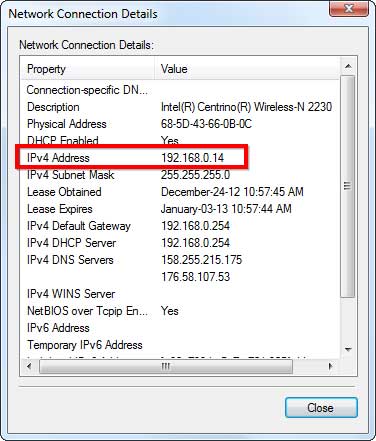
Next, access the router's web interface. If you don't know its address, it may look like the 'IPv4 Default Gateway' address In the Network Connection Details window above. Type this address into the address bar of your web browser to access the web interface of the router.
Sign in to the router and locate the Port Forwarding Section. Forward TCP 3389 to the IPv4 address you specified earlier.
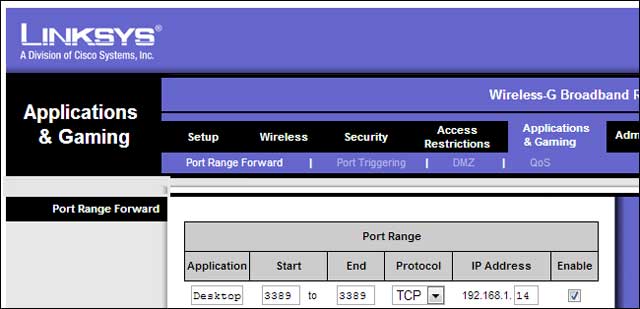
You can now sign in to Remote Desktop via the Internet - Connect to an IP address outside your network (also known as a public IP address).

FAQ
What is the main benefit of access Windows remote desktop via internet?
The main benefit is a clearer understanding of the topic and a practical way to apply the information covered in this guide.
What should I check before using access Windows remote desktop via internet?
Confirm compatibility, review the required settings, protect important data, and use the latest supported version whenever possible.
What should I do if the result is different?
Repeat the steps carefully, verify permissions and version differences, and consult the product's official support documentation for changes not shown in the article.
Related Articles
 Remote Desktop Connection: How to Set Up Details, 100% Successful19 minutes read
 Use Remote Desktop to Access Remote Computers via the Internet16 minutes read
 Activate and Configure Remote Desktop for Administration on10 minutes read
 Activate Remote Desktop in Vista and Windows 75 minutes read
 How to Enable and Use Remote Desktop on Windows 116 minutes read
 How to Hear Audio from the Remote PC When Using Remote6 minutes read
Reader Comments 0
Sign in with email or Google to join the discussion.