Table of Contents
This updated guide explains how to Hear Audio from the Remote PC When Using Remote through clear steps, practical examples, and important checks that help prevent common errors.
Method 1 of 2:
Using the Remote Desktop Mobile App
-
 Download and open the Microsoft Remote Desktop app. Press 'Free' to download and 'Open' once the installation completes.
- Android and iOS versions of the app can be acquired from their respective app stores.
- Android has a few third party remote desktop apps like RemoteToGo that will function similarly. However these apps are not officially supported by Windows Remote Desktop Connection.
-
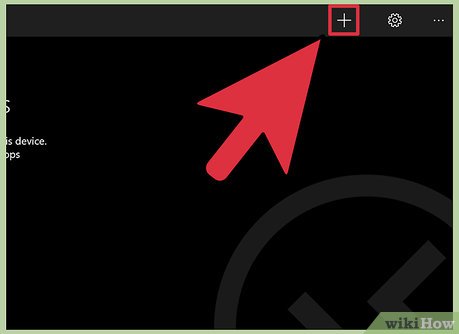 Tap the '+' button. This button is located at the bottom of the screen and takes you to the 'Add Desktop' page.
 -
 Tap 'Advanced'. This button is located at the top of the page and takes you to a list of optional settings.
 -
 Tap the 'Sound' dropdown menu and select 'Play on this device'. You can also set the sound to play on the remote device or play no sound at all from this menu.[2]XResearch source
 -
 Tap 'General'. This takes you back to the page with the connection credentials.
 -
 Enter the login credentials for the remote computer. The username is either the name of the computer to which you may need to connect or its IP address. The password is its login password.
- You can view your computer's name by going to 'Control Panel > All Control Panel Items > System' on the computer if you don't know it.
- You can find the computer's IP address by typing 'ipconfig' into the command line on your computer.
- Tap the disk icon to save the remote profile for future use.
-
 Tap 'Connect'. This button is located at the bottom of the screen and will initialize the remote desktop connection.
 -
 Test the remote computer's audio. Once the remote desktop appears on your local display, tap the speaker icon in the lower right taskbar to open the sound controls. Adjust the volume and you will hear a chime confirming the change.
Method 2 of 2:
Using Remote Desktop Connection
-
 Start the Remote Desktop Client. Press ⊞ Win and enter 'Remote Desktop Connection' into the search bar. Click the listing in the search results to launch.
- Microsoft also supports a Mac client that will function similarly.
-
 Click the "Options" button. This button is located at the bottom of the window and will expand the window to display a number of tabs.
 -
 Click "Local Resources". This tab is located near to the right of the default 'General' tab.
 -
 Click 'Settings...' under the Remote Audio header. A popup window with audio options will appear.
 -
 Click 'Play on this computer'. You can also choose to play audio from the remote computer or play no audio at all from this menu.
 -
 Click 'OK' to save your settings. The popup window will close.
 -
 Enter the login credentials for the remote computer. The username is either the name of the computer to which you may need to connect or its IP address. The password is its login password.
- You can view your computer's name by going to 'Control Panel > All Control Panel Items > System' on the target computer if you don't know it.
- You can find the computer's IP address by typing 'ipconfig' into the command line on the target computer.
- You can click 'Save' in the bottom left to retain the login information for future use.
-
 Click "Connect". This button is located in the lower right of the window and will initialize the remote desktop connection.
 -
 Test the remote computer's audio. Once the remote desktop appears on your local display, click the speaker icon in the lower right taskbar to open the sound controls. Adjust the volume and you will hear a chime confirming the change.
FAQ
What is the easiest way to Hear Audio from the Remote PC When Using Remote?
Start with the requirements in this guide, then follow each step in order. Check the result after every major change so problems are easier to identify.
Can beginners follow these instructions?
Yes. The process is organized into practical steps, and you can repeat any step before moving forward.
What should I check if the method does not work?
Confirm your software or device version, permissions, settings, file format, and internet connection when the task depends on online services.
Related Articles
 The Difference Between Remote Desktop (RDP) and VPN7 minutes read
 Instructions for Activating and Using Remote Desktop on Windows6 minutes read
 Troubleshoot Remote Desktop Problems13 minutes read
 Download GOM Remote: Control App for GOM Player and GOM4 minutes read
 6 Ways to Disable Remote Desktop on Windows 118 minutes read
 How to Enable and Use Remote Desktop on Windows 116 minutes read
Reader Comments 0
Sign in with email or Google to join the discussion.