Windows 11
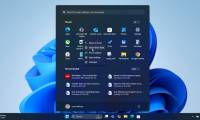
How to hide the phone panel in the Windows 11 Start menu
Remove the mobile device panel from Start with the Show mobile device in Start setting, without disconnecting your phone from Phone Link.
Browse more Find Windows 11 guides, setup instructions, feature tips and proven troubleshooting steps for common update, driver and system problems.
Remove the mobile device panel from Start with the Show mobile device in Start setting, without disconnecting your phone from Phone Link.
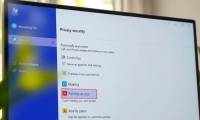
Restore an app's passkey permission in Windows 11, distinguish access settings from saved passkeys, and check why the option may be missing.
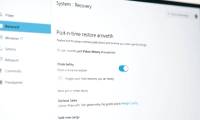
Turn on Windows point-in-time restore where available, check its short-lived snapshots, and understand which files and changes a restoration can undo.
Adjust Start and taskbar behavior, enable system restore points, show file extensions, and decide whether Developer Mode is relevant to your work.
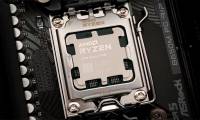
Identify the process behind sustained CPU usage, reduce unnecessary startup work, choose a suitable power mode, and check whether a change actually helps.

Find Smart App Control, understand On, Evaluation, and Off modes, and check updated re-enable behavior before changing protection for blocked apps.
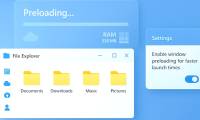
Check for File Explorer's window-preloading option, turn it on or off, and distinguish faster launch times from slow folder or network access.
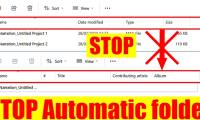
Understand folder templates, try a simpler folder view first, and use the legacy FolderType workaround cautiously with a backup and an undo plan.
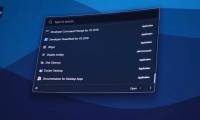
See how Ueli launches apps and searches through extensions, how to try it safely, and when Windows Search, PowerToys, or Everything may fit better.
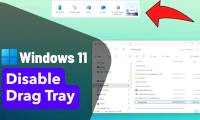
Check whether the file-sharing tray still exists on your Windows build, find its older Settings switches, and avoid obsolete registry overrides.

Pair your Android phone through Windows mobile-device settings, enable File Explorer access, and copy files wirelessly while checking permissions and connection requirements.

Turn on Ask to save edited screen recordings, understand the Save and Don't save choices, and avoid relying on the prompt as crash protection.
Windows can provide tactile feedback for actions such as snapping windows and aligning objects, but you need supported hardware, updates, and the relevant device settings.

Recognize phishing, unsafe downloads, unpatched software, and malicious ads, with practical checks that reduce exposure and steps to take after a suspected compromise.

Open Windows' last-resort restart option from the security screen, understand the risk to unsaved work, and try less disruptive recovery steps first.

Change a laptop's brightness with Quick Settings, Display settings, or keyboard keys, and check automatic brightness options and external-monitor controls.
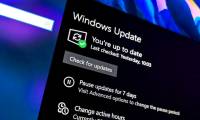
Choose or extend an update-pause date in Windows Settings, understand the 35-day window, and avoid treating an undocumented registry value as a guaranteed workaround.
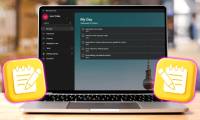
Set up useful task lists, understand My Day's nightly reset, check reminder settings, and connect flagged Outlook email without confusing tasks with calendar events.

Check Defender's event status, use Restore for a verified quarantined file, and look for backups when the contents have already been removed.
Distinguish a hidden search button from a blank panel or incomplete file results, then restart relevant components and rebuild the index only when needed.