
Artificial intelligence
AI Content Detectors Compared: Features, Limits, and Safe Use
Compare eight AI text detectors, understand what their scores can and cannot prove, and use results responsibly in education, publishing, or editorial review.
Browse more Explore technology news, emerging trends and practical insights into the products, platforms and innovations shaping the digital world.
Compare eight AI text detectors, understand what their scores can and cannot prove, and use results responsibly in education, publishing, or editorial review.

Compare Gauth, ThetaWise, Mathway, Wolfram|Alpha, ChatGPT, Symbolab, and Maple Calculator by input method, explanations, graphing, and suitable math level.
Compare Notion, Otter, Fireflies, Evernote, Turbo AI, and Google Keep by capture method, summaries, study tools, collaboration, and everyday note organization.

Compare Replit, Lovable, Bolt, v0, Durable, Relume, Builder.io, and Wix by project type, code ownership, backend support, hosting, and editing workflow.

Compare six current tools for animating still images, choose the right controls and workflow, and avoid consent, copyright, and realism pitfalls.

Compare eight AI music generators for vocal songs, instrumental scores, and background tracks, with practical guidance on editing controls and commercial licenses.
Create an Educaplay Alphabet game manually or with Ray AI, review every clue, configure timing and lives, test the activity, and share it with students.
Use TikViral to study a public TikTok video's hook and structure, generate a short-form script draft, and rewrite it into accurate, original content.

Compare four AI presentation tools by workflow, editability, source inputs, export options, and brand fit, then learn how to verify and refine the generated deck.

Combine people, clothing, products, or backgrounds in Google Flow, refine one change at a time, and check the result for identity and detail errors.
See what VoiceStudio, formerly OmniVoice Studio, can do locally, what hardware it needs, where the active beta still has limits, and how to test it safely.

Create Wayground quizzes from a document, prompt, webpage, YouTube video, curriculum, or worksheet photo, then verify and improve every generated question.

Create and protect an OpenAI API key, make a first Responses API call in Python, connect a no-code workflow, choose a model, and control spending.

Generate an image from a detailed prompt in Microsoft MAI Playground, refine it with targeted edits, review common AI errors, and download the result.
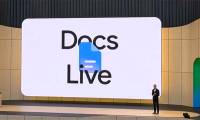
Understand how Google Docs Live turns spoken ideas into an organized draft, how it differs from Voice Typing, who is expected to receive it, and what to verify.

Compare SWE-bench Verified, GAIA, WebArena, the tau-bench family, ARC-AGI, OSWorld, and AgentBench by task design, metric, limitations, and production relevance.
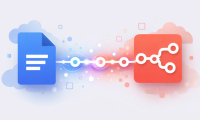
Connect Google Docs to n8n using Managed OAuth2 on n8n Cloud or a custom Google OAuth client for self-hosted deployments, with secure redirect and token handling.

Create a Readdy AI website from a focused prompt, refine its pages and responsive layout, then test SEO, forms, links, and domain settings before publishing.

Create a reusable instruction note in ChatGPT Library, attach it with an @ mention, and use clear text aliases for recurring summaries, drafts, or formatting tasks.

Review model-training controls for LinkedIn, Meta, Gemini, Claude, ChatGPT, and Microsoft Copilot, including what each opt-out does—and does not—change.