Table of Contents
This updated guide examines Backup the Exchange 2010 Information Store with Windows Backup and organizes the essential facts, background, and practical takeaways in clear American English.
Exchange 2010 includes a plug-in for Windows Server Backup that allows you to make a backup of Exchange data using Volume Shadow Copy Service.
Prepare
With Windows 2008 R2 and Windows 2008, the Windows Backup feature by default will not be enabled. So, the first thing to do is add this feature. Run the Server Manager , under Features, select Add Feature . Search for Windows Server Backup Features and check both options.
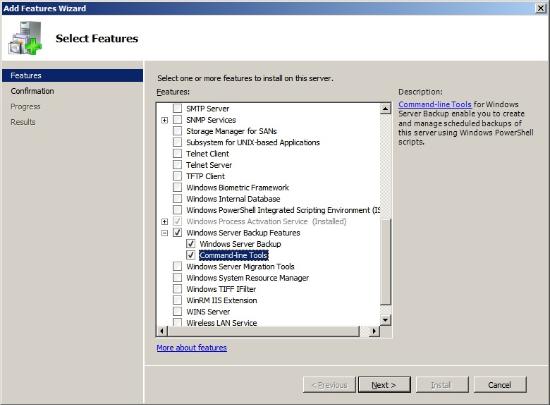
Now that this feature is enabled, the plugin needs to be turned on. In services snapin ( start> Run> Services.msc ) search for ' Microsoft Exchange Server Extension for Windows Server Backup ' to put this service automatically and start it.
Backup
From Start> All Programs> Accessories> System Tools select Windows Server Backup
In the task pane, select Backup Schedule . When the wizard opens, click Next on the first screen and then select one of the two options: Full Backup if you want to make a full system backup or CustomBackup if you just want to select some parts to backup. So, if you just want to back up information, just choose Custom . Next, click Next .

On the next screen, click Add Items and browse to the folder where your information is stored. By default with Exchange 2010 it is C: Program FilesMicrosoftExchange ServerV14Mailbox, there will be a folder for each Store called Mailbox Database (database reference number).
Once you have the Mailbox Databases and return to the wizard screen, click on the AdvancedSettings button and under VSS Settings select VSS Full Backup .
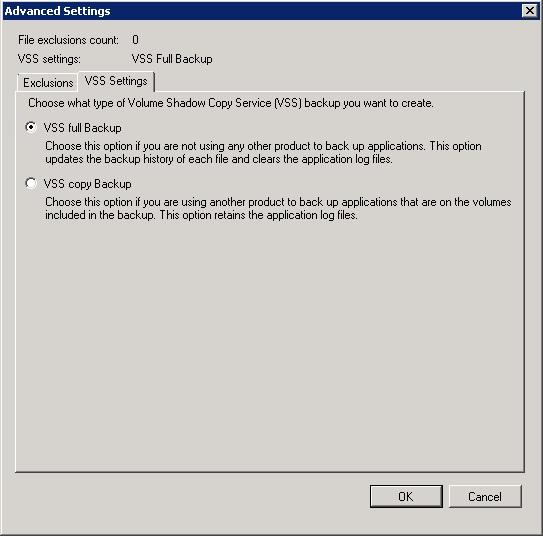
Configure the calendar and set the destination at the next 2 screens and select Finish . It will help you back up the database.
FAQ
What is Backup the Exchange 2010 Information Store with Windows Backup about?
It provides a structured overview of Backup, explains the main context, and highlights practical takeaways for readers.
Why does this topic matter?
Understanding the main concepts helps readers evaluate the issue, avoid common mistakes, and make better-informed decisions.
How should readers use this information?
Use the guidance as a practical starting point, confirm details that may have changed, and follow current product, safety, or security recommendations.
Related Articles
 Backup for Exchange Server with Dpm 2007 -- Part 2: Configure Dpm10 minutes read
 Backup and Restore Exchange 2003 with Recovery Storage Group9 minutes read
 Backup for Exchange Server with Dpm 2007 (Part 1)12 minutes read
 Backup: How to Back up Exchange 20033 minutes read
 4 Ways to Manage the Process of Backup Windows Server 2008 on7 minutes read
 Is Backup and Storage a Must?10 minutes read
Reader Comments 0
Sign in with email or Google to join the discussion.