Table of Contents
Choosing among 5 simple ways to regain storage space on your Android device requires more than looking at a feature list. This guide highlights practical differences, benefits, and important trade-offs.
1. Use the built-in Storage tool on Android
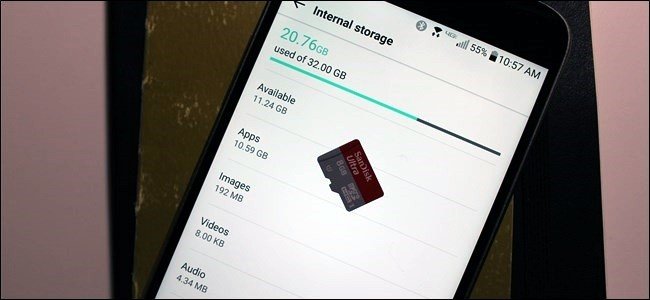
On modern versions of Android, there is a built-in Storage panel That accurately displays the amount of memory you have used on your device.
To open Storage, open the Settings App, then on the Settings window and click Storage . Here you can see the applications on Android devices using how much memory, and other data like images, videos, audio files, cache data, downloaded files,..
Click any option to see exactly the amount of memory the app, the files used and delete those applications. When you click Apps, you will see a list of apps that are using the most memory and you can delete them.
Click Downloads To see the list of downloaded files, click Cache Data To delete the data of installed applications on the device.

2. Check which files and folders occupy the most space
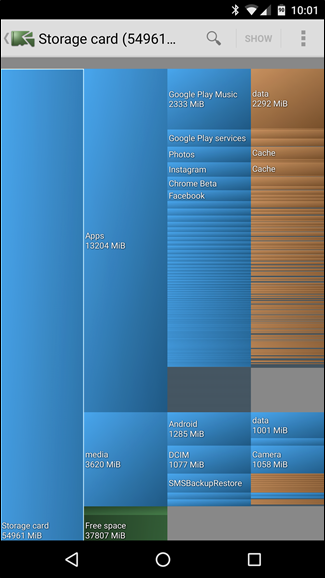
Although the built-in Storage tool on Android devices also supports viewing applications, data takes up how much memory, but Storage's drawback is that it cannot correctly display each folder and How much storage does individual files take? To see exactly how much space your personal folders and files take, you'll have to rely on the support of the third application, DiskUsage .
Just go to Google Play, then find and download the app to the installed device, open the app and scan the system files on the device.
Download DiskUsage to your computer and install it here.
Note:
Only delete data that is not used by the app to avoid data loss.
Also, you should back up your data online If something goes wrong and you can reload the data when needed.
Readers can refer to the steps to back up and store data on your Android device safely here.
3. Move data to SD memory card
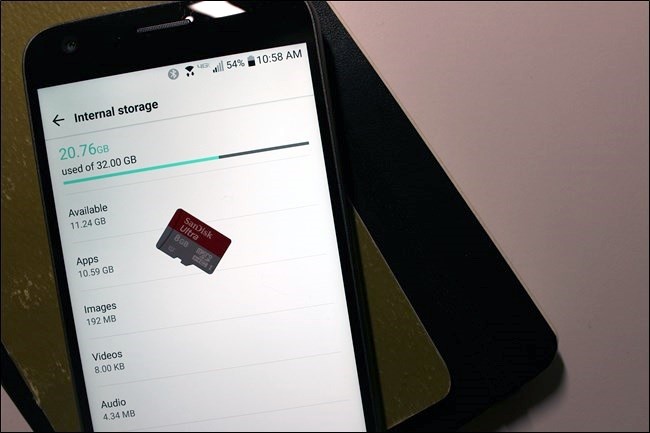
On Android devices there is a microSD card slot, so you should buy an SD memory card and insert an SD memory card into your device to increase storage space, and you can store music files, videos, photos, files and even applications. Some applications allow you to move storage locations to SD card instead of device memory.
You can format the SD card as portable or internal memory (with Android 6.0 Marshmallow), then connect the phone to the computer to move music and other files to the SD card.
4. Move the app to the SD memory card
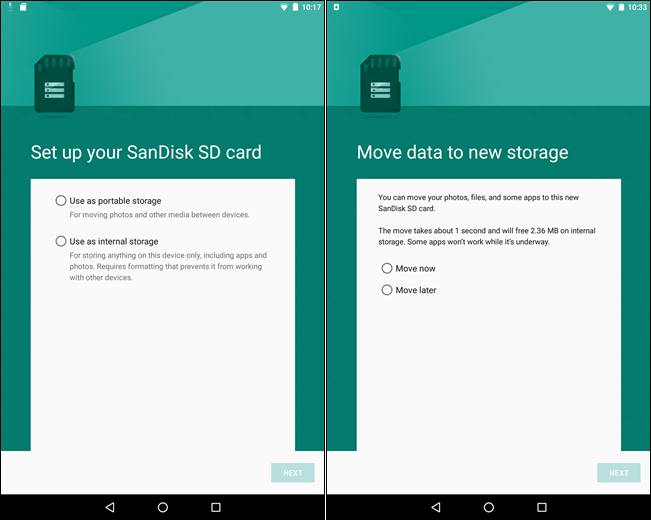
Depending on the device and Android version you use, you can move installed applications on the device to an SD memory card to free up memory space.
With Marshmallow Android Users can format SD card as internal memory - see SD card as the device's internal memory. And you will not be able to distinguish real internal memory and use SD memory card.
In addition, the reader can refer to the steps to move the app to SD memory card on the Android device here.
5. Move the image to the cloud service
Images on your Android device that consume Storage space are Not less. So it is better to store all these images on cloud services like Google Photos, Dropbox, Microsoft OneDrive, Flickr.
Google Photos is integrated into Photos applications (photos) on Android devices and provides users with unlimited storage space. You can access Google Photos from the Photos app or visit photos. Google. com on your computer.
Also, if you don't like using Google Photos, you can use other apps like Dropbox .
Refer to some of the following articles
- This is a way to transfer files from your computer to your Android phone without a USB cable
- All problems about how to install and use Google Duo video calling application
- Instructions for controlling Android devices via computer
Good luck!
FAQ
How were the 5 simple ways to regain storage space on your Android device options selected?
The options are compared by usefulness, ease of use, core features, and their fit for the situations described in the article.
Which option is best for beginners?
Choose the option with the simplest setup, clear documentation, and the features you actually need. A more advanced option is not always the better starting point.
What should I check before choosing?
Check compatibility, current availability, pricing or licensing, privacy requirements, and whether the product still receives updates and support.
Related Articles
 Free up Storage Space on Your Android Device with Just 1 Tap5 minutes read
 How to Regain Storage Space for Chromebooks8 minutes read
 Clean up to Regain Storage Space for Icloud16 minutes read
 Good Tips for Android Devices7 minutes read
 How to Turn an Android Device into a Web Server7 minutes read
 Free Up Space on Android: Step-by-Step Guide7 minutes read
Reader Comments 0
Sign in with email or Google to join the discussion.