Table of Contents
3 Ways to Activate Guest Account on Windows 8 // 8.1 is easier to understand when the core ideas are paired with practical examples. The sections below explain the topic clearly, highlight useful steps, and point out details that can prevent common errors.
By default the Guest account on Windows is disabled, so you cannot log on to the computer through this account. However, it is recommended that you activate the Guest account to access the computer in some cases such as forgetting the computer login password or forgetting the Admin account password.
1. Activate the Guest account through the Control panel
To activate the Guest account on the Control Panel, follow the steps below:
Step 1. Open Control Panel
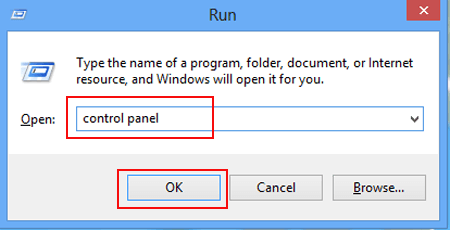
Open Control by pressing Windows + R key combination to open the Run dialog box. Then on the dialog window Run you enter the Control Panel command into it and click OK .
Step 2:
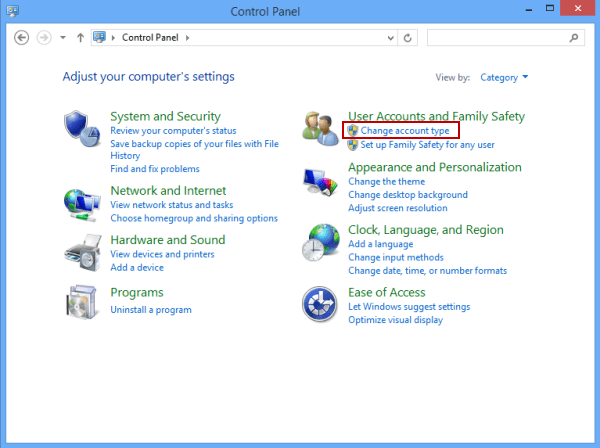
On the Control Panel interface select Change account type.
Step 3:
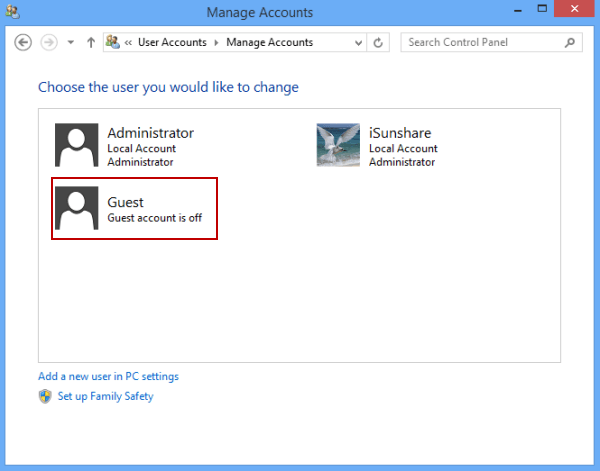
Click on the Guest account .
Step 4:
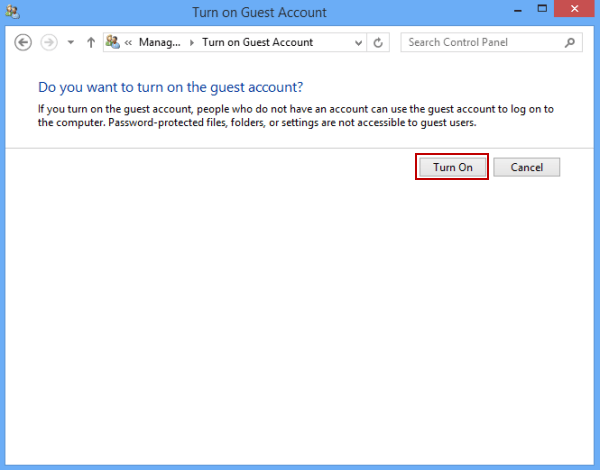
Click Turn on on the Turn on Guest Account window to activate the Guest account.
2. Activate the Guest account on Local Group Policy Editor
Step 1. Open Local Group Policy Editor
There are many ways to open the Local Group Policy Editor, the simplest way is to open with the Run command:
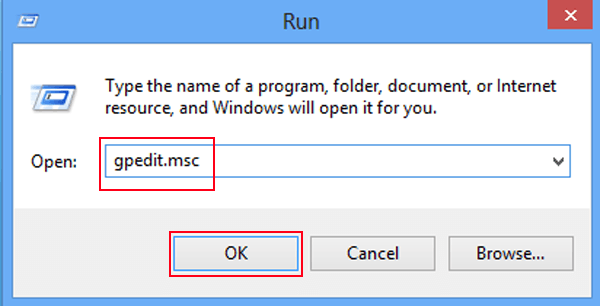
Press the Windows + R key combination to open the Run dialog box. Then enter gpedit.msc there and then click OK.
Step 2:
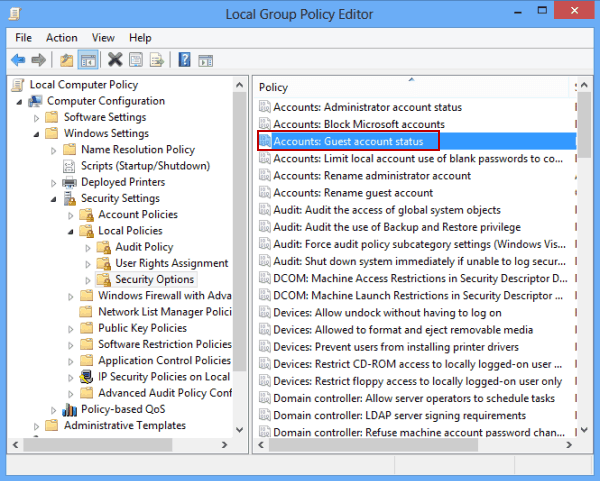
On the Local Group Policy Editor interface, navigate to the following link:
Computer Configuration / Windows Settings / Security Settings / Local Policies / Security Options.
Next, find and open the policy called Accounts: Guest account status.
Step 3:
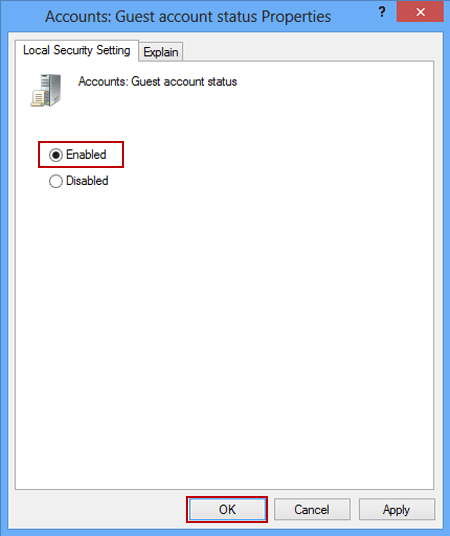
On the Accounts: Guest account status Properties window, select Enable and then click OK.
3. Activate the Guest account on Computer Management
Step 1: Open Computer Management
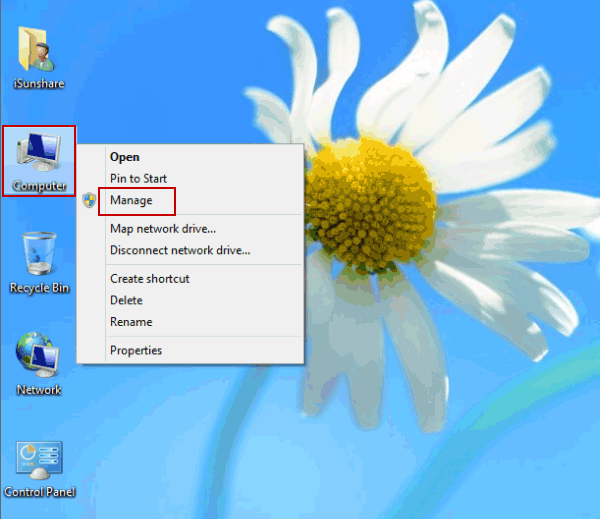
The easiest way to open Computer Management is to right-click the Computer icon on the Desktop screen, then select Manage to finish.
Step 2:
Click Local User and Groups , then open the Users folder . Next, find and double-click on Guest account.
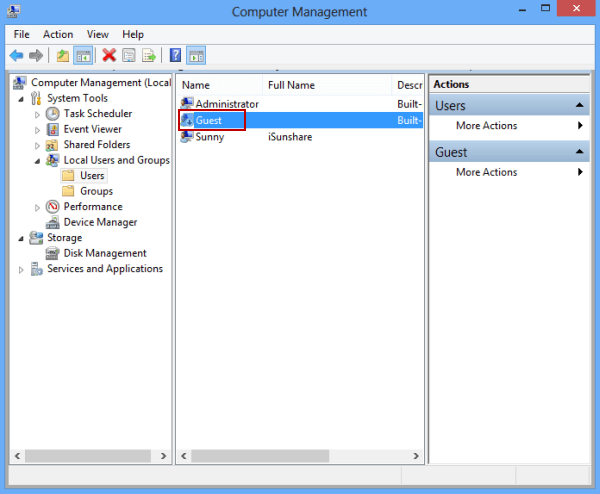
Step 3:
At this time, the Guest Properties dialog box appears. Here you uncheck Account is disabled option and then click OK to finish.
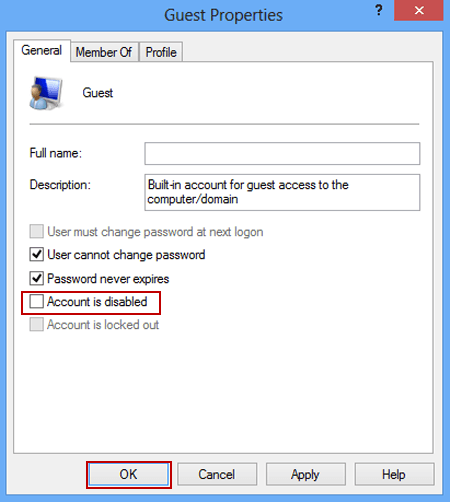
Refer to some of the following articles:
- Change the Windows 7,8 and 10 Logon screens
- All problems with starting Windows in Safe Mode
- Instructions to bring Safe Mode to the standard Boot Menu on Windows 8 and 10
Good luck!
FAQ
What should you know about 1. Activate the Guest account through the Control panel?
To activate the Guest account on the Control Panel, follow the steps below:
What should you know about step 1. Open Control Panel?
Open Control by pressing Windows + R key combination to open the Run dialog box. Then on the dialog window Run you enter the Control Panel command into it and click OK.
What should you know about step 2?
On the Control Panel interface select Change account type.
Related Articles
 3 Simple Ways to Activate Guest Account on Windows 106 minutes read
 Why Should You Activate the Guest Account on the Computer?5 minutes read
 How to Use the Command to Create a Guest Account on Windows 105 minutes read
 How to Create a ''guest'' Account on Windows 115 minutes read
 How to Set Up Text-to-Speech on a Mac4 minutes read
 How to Set Up a Secure Guest Account on a Windows Computer6 minutes read
Reader Comments 0
Sign in with email or Google to join the discussion.