Table of Contents
Overview
This guide explains screen resolution in clear, practical terms. It covers the key concepts, recommended steps, common limitations, and useful checks so you can make a better-informed decision.
Regularly in contact with computers, we often hear the phrase screen resolution. However, do you really understand the definition of screen resolution and how to check computer screen resolution? Let's explore through This guide!
What Is screen resolution?
Screen resolution is understood as the pixels displayed on the screen. The number of pixels will be arranged horizontally and vertically.
For example: The HD resolution of a 16:9 screen is 1366 x 768 pixels. This means that a horizontal row of the screen will have 1366 pixels and 768 horizontal rows, a vertical row will have 768 pixels and 1366 vertical rows, so the total number of pixels displayed on the screen is 1,049,088 pixels.
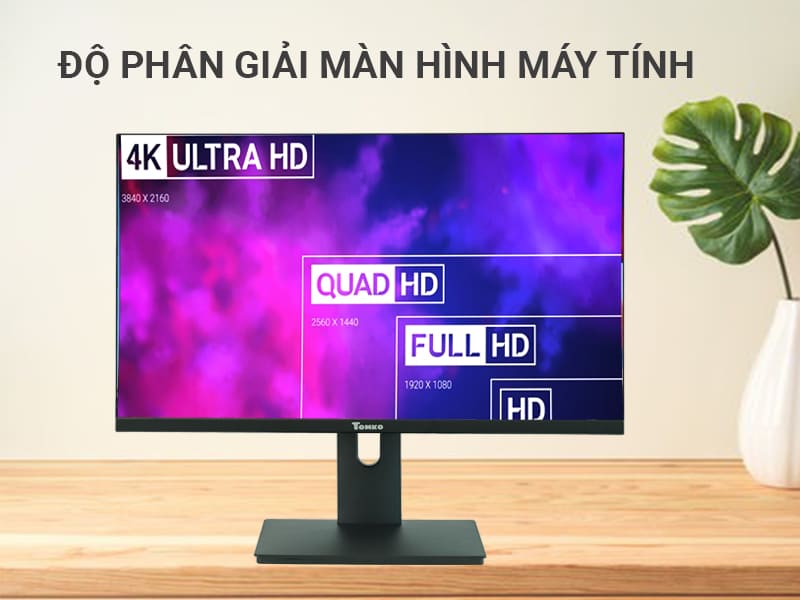
The more pixels a screen has, the sharper the image will be, but this also depends on the quality of the screen and the display ratio of the screen.
As for the sharpness of the screen, it also depends on the screen size.
For example: If the same screen is equipped with a resolution of 1366 x 768 pixels, then compared to a 15.6 inch screen, a 14 inch screen will display more clearly. On a larger screen, the pixels will also be spread out more, the distance between pixels is larger, so the display will be less clear.
Learn about common screen resolutions on laptops
- SVGA: Resolution 800 x 600 Pixels. This resolution is often found in old computers with small screens.
- HD screen: Has a resolution of 1366 x 768 Pixel. Provides display quality in mid-range laptop products.
- HD+ screen: 1600 x 900 Pixel. Usually used on screens with a 16:9 ratio. This type of screen is more upgraded than the normal HD resolution screen.
- Full HD screen: Has a resolution of 1920 x 1080 Pixels, with an aspect ratio of 16:9. This is the resolution for smooth, sharp image display.
- 2K or QHD screen: Has a resolution of up to 2560 x 1440 Pixels, displaying more than 3.5 million pixels. Helps to improve display capabilities much more than FHD screens.
- 4K or UHD screen: This is the standard for screens with a resolution of 3840 x 2160 Pixels or 4096 x 2160 Pixels. Provides super sharp image display. Equipped with modern screen technology.
Ways to check computer screen resolution
There are many ways to check computer screen resolution. Let's explore the 2 simplest ways to check computer screen resolution below:
Method 1: Use DirectX Diagnostic Tool
- First use the shortcut Windows + R or click on the windows icon in the lower left corner of the screen.
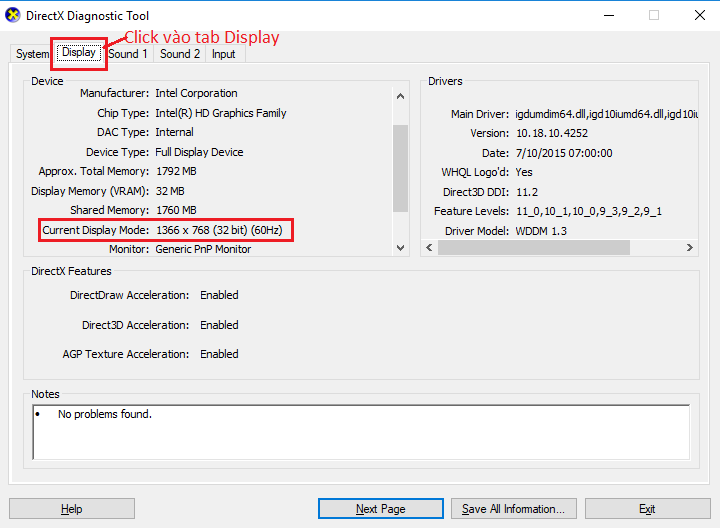
- Next, type the letter R, the Run dialog box will appear. Then you type in the phrase "dxdiag" and press enter.
- In the DirectX Diagnostic Tool program, you will see the Display tab above, now click on it.
- Now you will see the Current Display Mode line showing the resolution of your computer screen.
Comparing with the above standards, you will see that this screen has HD resolution.
Method 2: View resolution by selecting Display Settings
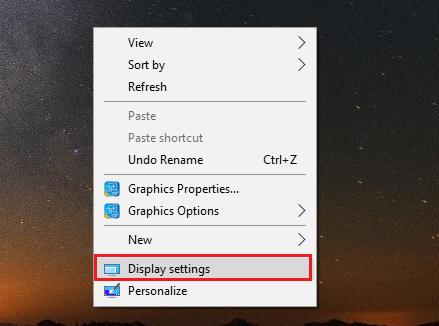
- Step 1: Right-click on the Desktop screen (Note: click on the blank screen, do not click on the icons on the screen) and select Display Settings.
- The Resolution section will display your screen resolution.
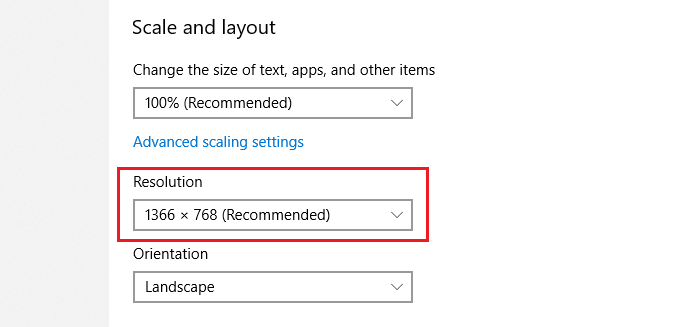
Please note that your computer resolution here corresponds to the largest resolution here. Because some cases display according to usage needs, a smaller size will be selected, so click on this box to display different display levels and take the highest resolution as the computer resolution.
Through the above article, this guide has shared with you what screen resolution is, as well as how to check your computer screen resolution. Hopefully it will provide you with more useful information.
Key Takeaways
Use the guidance above as a practical reference for screen resolution. Check compatibility, follow the steps carefully, and verify important details with official documentation when software, security, accounts, health, or purchases are involved.
FAQ
What is screen resolution used for?
Screen resolution is used for the purposes described in this guide. Its practical value depends on your goals, device, workflow, and required features.
What are the main benefits and limitations of screen resolution?
The benefits may include convenience, performance, or greater control, while limitations can involve cost, compatibility, complexity, or security.
How do I decide whether screen resolution is right for me?
Compare its requirements, limitations, cost, compatibility, and real-world value with your own priorities before making a decision.
Related Articles
 Steps to Check Screen Resolution on Computer5 minutes read
 How to Check Screen Resolution in Windows 104 minutes read
 How to Change Screen Resolution on Computers and Laptops5 minutes read
 Summary of Knowledge About Screen Resolutions on Smartphones11 minutes read
 Which Screen Resolution Is Best for Gaming?8 minutes read
 What Is 16K Resolution?5 minutes read
Reader Comments 0
Sign in with email or Google to join the discussion.