Table of Contents
This updated guide examines How to Change the Resolution in Windows 8 and organizes the essential facts, background, and practical takeaways in clear American English.
Method 1of 2:
Settings (Touch Friendly)
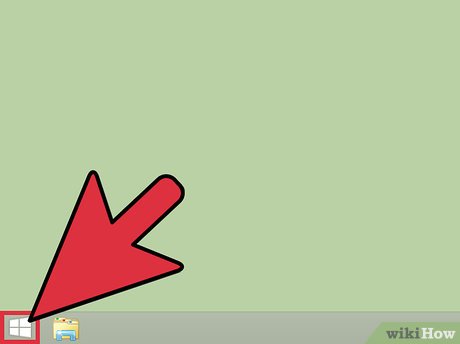 Click on the start button. The Windows button is in the bottom left corner of your screen.
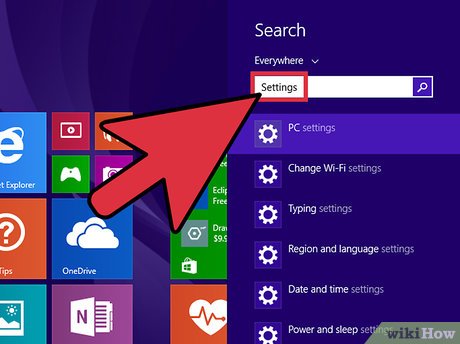 Type in settings .
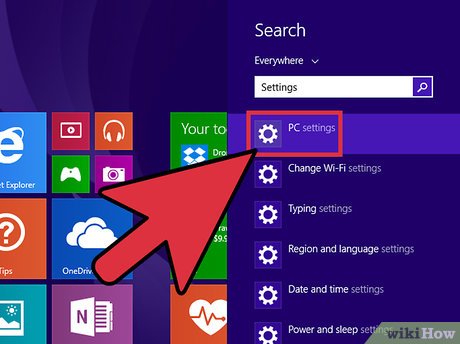 An icon with a gear calledPC settingswill appear in your search. Click or tap on it.
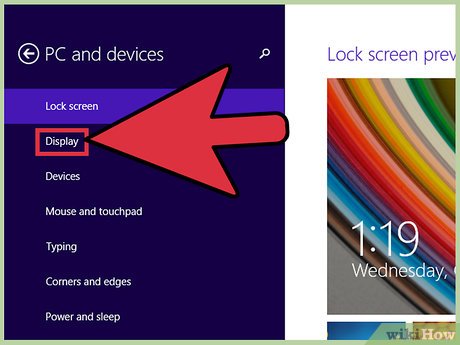 SelectPC & devicesthenDisplay. You will see a resolution slide bar on the right-hand side..
 Click or tap across the slider to find your recommended setting. The word "Recommended" will appear once you scroll to the corresponding resolution. This is your monitor's native resolution.
- Often times, your resolution is already set to the recommended size. In this case, you won't need to make anymore adjustments and can exit out of the settings window.
 ClickApply. A preview will appear.
- If you don't like the resolution in the preview, selectRevertto pick another resolution from the list.
 PressKeep Changesif you've found a good resolution. Your changes will be kept.
Method 2of 2:
Control Panel
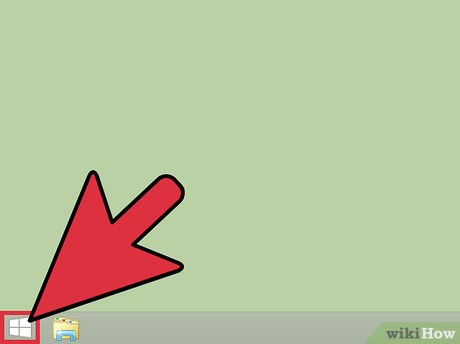 Navigate to the start screen. Click on the "Windows" icon at the bottom left of your screen. It has the Windows logo on it.
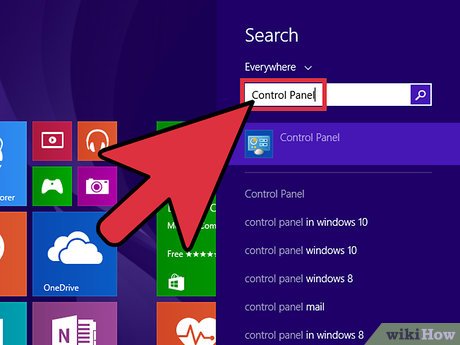 Type in "Control Panel. " Windows will begin to search for the "Control Panel" app as you type.
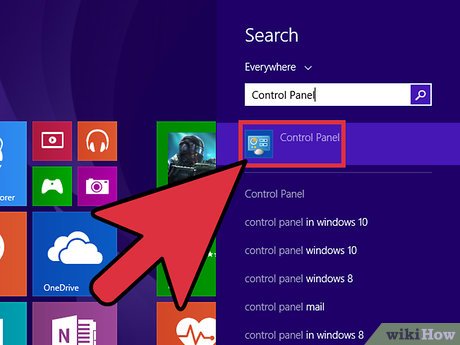 Click on "Control Panel. " A new window will appear. Navigate to the "Appearance and Personalization" category. It appears as a computer screen with some paint swatches.
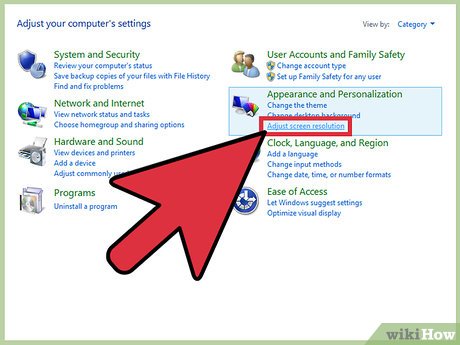 Click "Adjust screen resolution. " A new window will appear.
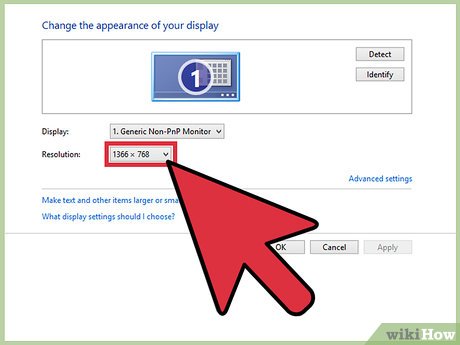 Click on the drop-down menu next to "Resolution. " A menu will appear showing you all of your available screen resolutions.
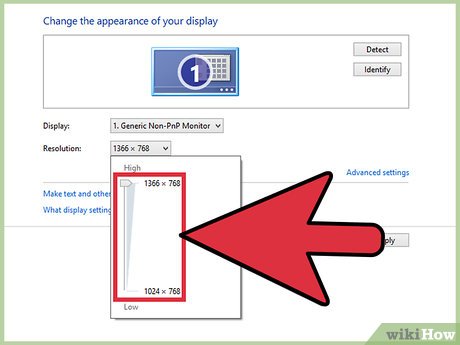 Choose your desired resolution. Drag the scroll bar up or down to choose the resolution you want to use.
- It's best to set your monitor to its "native resolution," or the resolution that it was designed for. If you don't know your monitor's native resolution, find it by following Method 2 of this article.
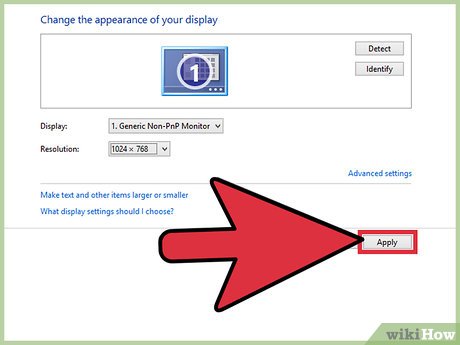 Click on "Apply. " You will be given a preview of your selected resolution.
- If you don't like the resolution in the preview, select "Revert" to pick another resolution from the list.
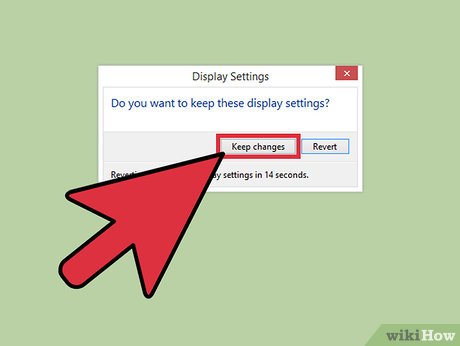 Click on "Keep Changes. " Your changes will be applied.
FAQ
What is How to Change the Resolution in Windows 8 about?
It provides a structured overview of resolution, explains the main context, and highlights practical takeaways for readers.
Why does this topic matter?
Understanding the main concepts helps readers evaluate the issue, avoid common mistakes, and make better-informed decisions.
How should readers use this information?
Use the guidance as a practical starting point, confirm details that may have changed, and follow current product, safety, or security recommendations.
Related Articles
 Select: How to Change Your Resolution in Windows 73 minutes read
 How to Change Mac Screen Resolution: Complete Guide4 minutes read
 How to Change Computer Screen Resolution: Step-by-Step Guide7 minutes read
 Instructions to Change Screen Resolution (Screen Resolution)3 minutes read
 Instructions for Changing Bluestacks Screen Resolution on Windows4 minutes read
 How to Change the Screen Resolution of Galaxy S202 minutes read
Reader Comments 0
Sign in with email or Google to join the discussion.