Table of Contents
This updated guide examines How to Change Screen Resolution and organizes the essential facts, background, and practical takeaways in clear American English.
Method 1of 5:
Windows 8
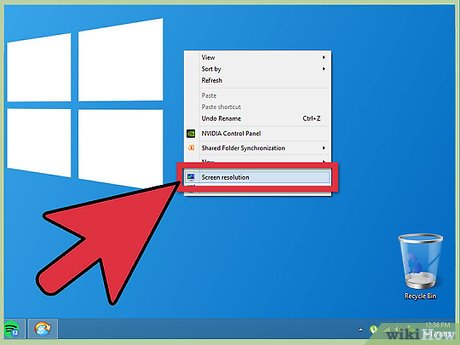 Using your mouse, right-click on the Desktop and select "Screen Resolution. "
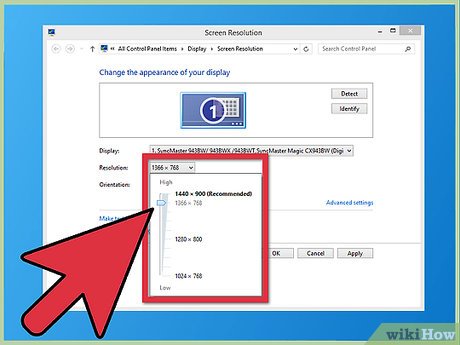 Under resolution, click and move the slider button up or down to select your desired screen resolution. The lower the resolution, the larger items and text will appear; the higher the resolution, the smaller items and text will appear on-screen.
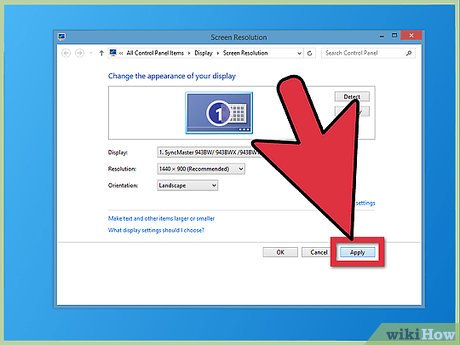 Select 'Apply.' The resolution of your screen will now be changed.[1]
Method 2of 5:
Windows 7
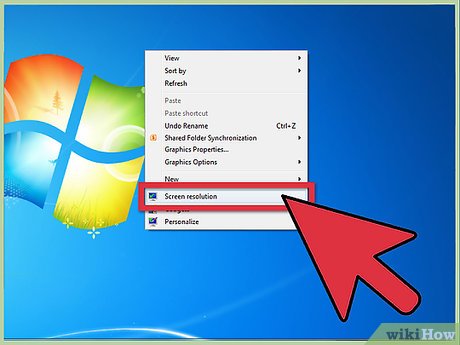 Using your mouse, right-click on the Desktop and select "Screen Resolution. "
 Click on the dropdown menu to the right of 'Resolution,' and move the slider button up or down to choose your desired resolution. The lower the resolution, the larger items and text will appear; the higher the resolution, the smaller items and text will appear on-screen.
 Click on 'Apply,' then click on 'Keep' to verify you want the current resolution saved. [2]
Method 3of 5:
Windows Vista
 Click on 'Start' and select 'Control Panel.' The Control Panel window will open and display on-screen.
 Click on 'Appearance and Personalization,' then click on 'Personalization.'
 Click on 'Display Settings,' then move the slider button left or right to choose your desired screen resolution. The lower the resolution, the larger items and text will appear; the higher the resolution, the smaller items and text will appear on-screen.
 Click on 'Apply.' Your screen resolution will now be changed.[3]
Method 4of 5:
Windows XP
 Click on 'Start' and select 'Control Panel.' The Control Panel window will open and display on-screen.
- Click on 'Switch to Classic View' in the left pane of Control Panel if icons are not showing. You must have Classic View enabled to change the screen resolution.
 Click on 'Display,' then click on the 'Settings' tab for the 'Screen Resolution' box.
 Move the slider button left or right to choose your desired resolution. The lower the resolution, the larger items and text will appear; the higher the resolution, the smaller items and text will appear on-screen.
 Click on 'OK,' then click on 'Close.' Your screen's resolution will now be changed.[4]
Method 5of 5:
Mac OS X
 Click on the Apple menu and select 'System Preferences.' The System Preferences window will open and display on-screen.
 Click on 'Displays,' then select the 'Display' tab.
 Click on 'Scaled,' then select your desired screen resolution from the options provided. The lower the resolution, the larger items and text will appear; the higher the resolution, the smaller items and text will appear on-screen.
- If using a connected display, press and hold the 'Option' key, then click on 'Scaled' to change the resolution for the second display.
 Close the System Preferences window. Your screen resolution will now be changed.[5]
FAQ
What is How to Change Screen Resolution about?
It provides a structured overview of resolution, explains the main context, and highlights practical takeaways for readers.
Why does this topic matter?
Understanding the main concepts helps readers evaluate the issue, avoid common mistakes, and make better-informed decisions.
How should readers use this information?
Use the guidance as a practical starting point, confirm details that may have changed, and follow current product, safety, or security recommendations.
Related Articles
 How to Change the Screen Resolution of Galaxy S202 minutes read
 How to Change Mac Screen Resolution: Complete Guide4 minutes read
 How to Change Screen Resolution on Computers and Laptops5 minutes read
 Instructions to Change Screen Resolution (Screen Resolution)3 minutes read
 How to Change the Resolution in Windows 84 minutes read
 How to Change Screen Resolution in Ubuntu4 minutes read
Reader Comments 0
Sign in with email or Google to join the discussion.