Table of Contents
Turn Off Windows 10 Password When Logging in for Only 10 Seconds is easier to understand when the core ideas are paired with practical examples. The sections below explain the topic clearly, highlight useful steps, and point out details that can prevent common errors.
Turn off the Windows 10 password so that every time it opens, it will automatically load the operating system, you just need to press the power button and go to make a cup of coffee, go back to everything ready to work without wasting time waiting. Enter the password, not to mention if you forgot your Windows 10 password.Of course, we recommend that you only use this feature when working in a safe environment, because turning off your computer password will reduce security, others may steal data on your computer when you absent.
How to turn off Windows 10 password can also be applied in case you want to lend someone a computer. Then, create a child account or account that restricts access and disables the password entry feature for that account.
To turn off Windows 10 password, do the following:
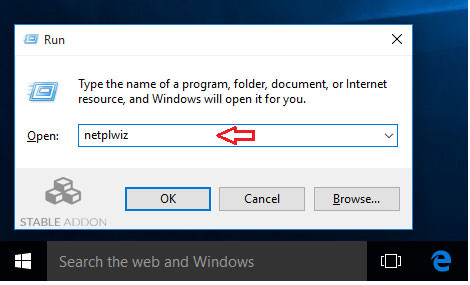
Step 1: Press the Windows + R key combination to open the Run command window. On the Run command window, enter the following command and press Enter: netplwiz
Step 2: At this time on the screen appears a window to configure user account settings (users). Here select the user account you want to turn off the login feature without a password. Then remove the Users pane, which must enter a user name and password to use this computer .

Step 3: After removing the option, click Apply . A new window appears on the screen, where you enter the password and confirm the user password again. If the user account you want to set up to automatically log in does not display on the list, click the Add button to add the user account you want to the list.
This is to give you a Local account and configure it to automatically log in to that account.

Finally enter and confirm the user password and click OK .
The next time you log in, the user account that you configured to automatically log in will not ask you for a password. If you want to log in after you can go to the desktop screen instead of the lock screen, you can follow the instructions to turn off the Windows 10 lock screen.
Refer to some of the following articles:
- Instructions for changing Windows passwords without having to remember the old password
- Instructions for setting up BIOS and UEFI passwords to protect data on your Windows 10 computer safely
- Your computer requires entering a password after starting from Sleep mode, this is a fix
Good luck!
FAQ
What should you know about to turn off Windows 10 password, do the following?
Step 1: Press the Windows + R key combination to open the Run command window. On the Run command window, enter the following command and press Enter: netplwiz.
What is Turn Off Windows 10 Password When Logging in for Only 10 Seconds?
Turn off the Windows 10 password so that every time it opens, it will automatically load the operating system, you just need to press the power button and go to make a cup of coffee, go back to everything ready to work without wasting time waiting.
Why is Turn Off Windows 10 Password When Logging in for Only 10 Seconds important?
A clear understanding of Turn Off Windows 10 Password When Logging in for Only 10 Seconds helps you make informed decisions, avoid common mistakes, and use the relevant tools or techniques more effectively.
Related Articles
 Turn Off Win 10 Password When Logging in on the Computer: Complete Overview7 minutes read
 Turn Off Password Display in Windows 8 When Logging In5 minutes read
 How to Disable Windows Hello Sign-in to Log in with a3 minutes read
 How to Set a Windows 10 Password, Set a Password for Windows9 minutes read
 How to Set a Password for a Windows 10 Computer5 minutes read
 7 Free Windows Password Recovery Tools8 minutes read
Reader Comments 0
Sign in with email or Google to join the discussion.