Table of Contents
AI can speed up the first draft of a Grade 6 Vietnamese Literature lesson plan, but it cannot confirm that the result matches your textbook edition, school requirements, or students' needs. The most reliable approach is to give the tool precise source material, request a structured output, and then review every objective, quotation, activity, and assessment yourself.
What to prepare before using a prompt
- The exact lesson title, author, genre, and textbook series.
- The required learning outcomes and any school lesson-plan template.
- Class length, class size, available equipment, and students' current level.
- Relevant textbook pages or teacher-approved source extracts. Do not upload copyrighted books in full or student-identifying information.
- Your intended evidence of learning: discussion notes, a short response, a presentation, or another assessable product.
The three commonly used series—Cánh Diều, Kết nối tri thức với cuộc sống, and Chân trời sáng tạo—do not always organize texts and activities identically. Ask the model to work from the series and material you actually provide instead of inventing a comparison.
Prompt 1: Analyze a lesson before planning
[VAI TRÒ]
Bạn là trợ lý thiết kế bài học Ngữ văn THCS. Chỉ sử dụng thông tin tôi cung cấp; nếu thiếu dữ liệu, hãy nêu rõ điều cần bổ sung, không tự bịa nội dung sách giáo khoa.

[DỮ LIỆU]
- Tên bài/văn bản:
- Tác giả và thể loại:
- Bộ SGK, bài/chủ đề, trang:
- Yêu cầu cần đạt do giáo viên cung cấp:
- Trích đoạn hoặc ghi chú nguồn:
- Đặc điểm lớp học:

[NHIỆM VỤ]
1. Tóm tắt trọng tâm kiến thức và kỹ năng.
2. Chỉ ra chi tiết văn bản cần học sinh quan sát.
3. Dự đoán 3 chỗ học sinh lớp 6 dễ hiểu sai.
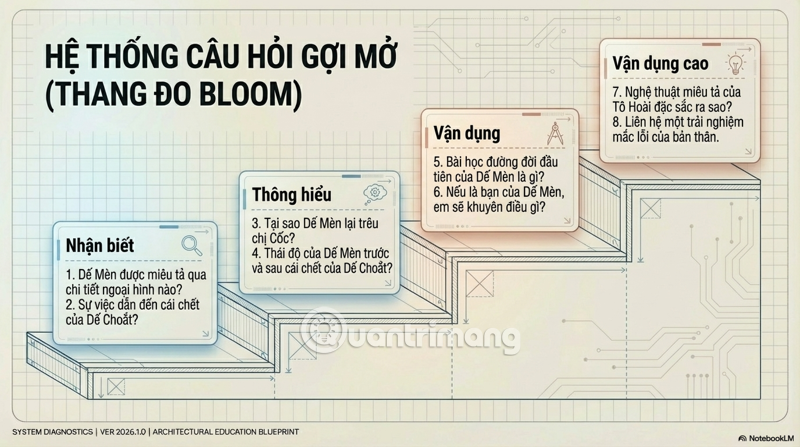
4. Đề xuất câu hỏi theo 4 mức: nhận biết, thông hiểu, vận dụng, vận dụng cao.
5. Đề xuất bằng chứng để giáo viên kiểm tra từng mục tiêu.

[ĐỊNH DẠNG]
Bảng gồm: Mục tiêu | Dữ liệu văn bản | Hoạt động | Sản phẩm học sinh | Cách đánh giá.
Cuối cùng lập danh sách mọi thông tin chưa chắc chắn cần giáo viên kiểm tra.
This prompt makes uncertainty visible. It is safer than asking the model to “know all three textbooks,” which can produce confident but incorrect details.
Prompt 2: Create a complete, timed lesson-plan draft
[VAI TRÒ]
Bạn hỗ trợ giáo viên Ngữ văn lớp 6 soạn bản nháp giáo án. Không tuyên bố văn bản “đúng quy định” nếu không có tài liệu chính thức được cung cấp.

[THÔNG TIN BÀI HỌC]
- Tên bài:
- Bộ SGK và trang:
- Thời lượng:
- Sĩ số và trình độ:
- Yêu cầu cần đạt:
- Thiết bị có thể dùng:
- Tư liệu giáo viên cung cấp:

[YÊU CẦU ĐẦU RA]
A. Mục tiêu đo lường được
B. Chuẩn bị của giáo viên và học sinh
C. Tiến trình có tổng thời gian đúng với số phút đã cho:
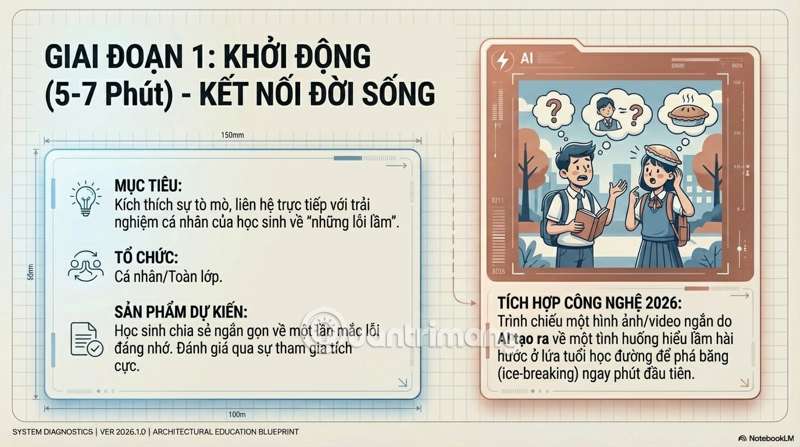
   - Khởi động
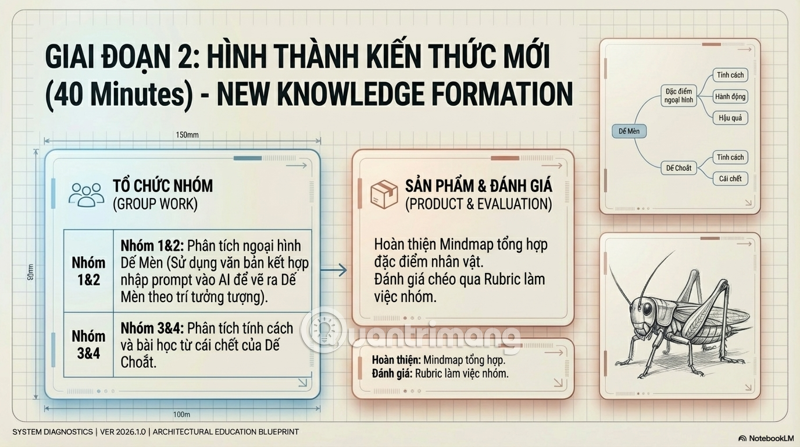
   - Khám phá/hình thành kiến thức
   - Luyện tập
   - Vận dụng
   - Kiểm tra cuối giờ
D. Với mỗi hoạt động ghi: thời gian, hướng dẫn, câu hỏi, sản phẩm, cách quan sát/đánh giá
E. Điều chỉnh cho học sinh cần hỗ trợ và nhiệm vụ mở rộng
F. Rubric ngắn với tiêu chí cụ thể
G. Danh sách dữ kiện, tên riêng và trích dẫn cần giáo viên xác minh

Không tạo liên kết, số trang, câu thơ hoặc câu văn không có trong dữ liệu đầu vào.
Prompt 3: Improve one weak activity
Tôi sẽ cung cấp một hoạt động trong giáo án Ngữ văn lớp 6.
Hãy:
1. Nêu mục tiêu học tập có thể quan sát.
2. Viết lại hướng dẫn sao cho học sinh 11–12 tuổi dễ thực hiện.
3. Tạo một phiên bản cá nhân và một phiên bản nhóm.
4. Đề xuất hỗ trợ cho học sinh đọc chậm hoặc ngại phát biểu.
5. Tạo 4 câu hỏi từ nhận biết đến vận dụng.
6. Nêu đáp án/kỳ vọng và lỗi thường gặp.
7. Giữ tổng thời gian trong [X] phút.

Hoạt động hiện tại:
[DÁN HOẠT ĐỘNG]
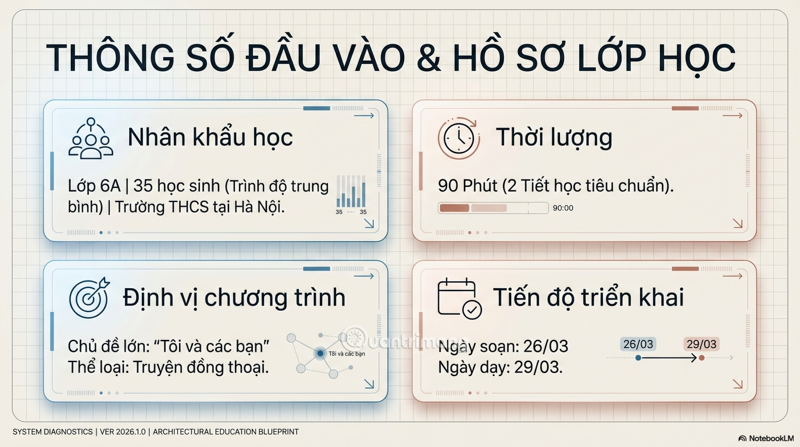
Worked example: “Bài học đường đời đầu tiên”
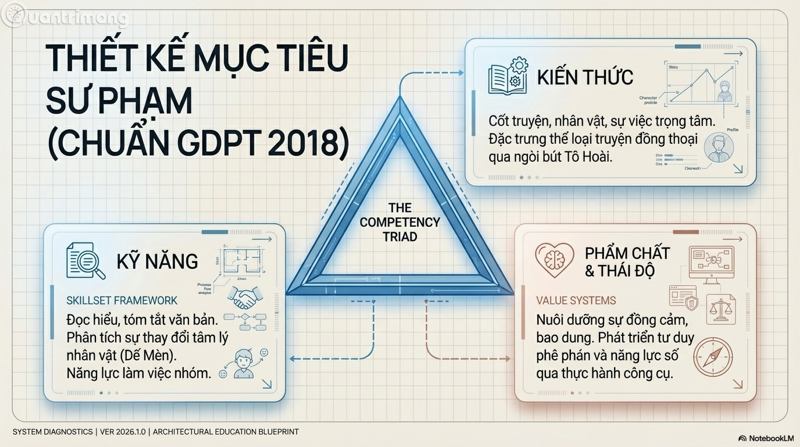
For a lesson on Tô Hoài's “Bài học đường đời đầu tiên,” fill the template with the precise Cánh Diều section and the learning outcomes assigned by your school. A useful objective might ask students to support an interpretation of Dế Mèn's character with details from the provided text, rather than merely “understand the character.”
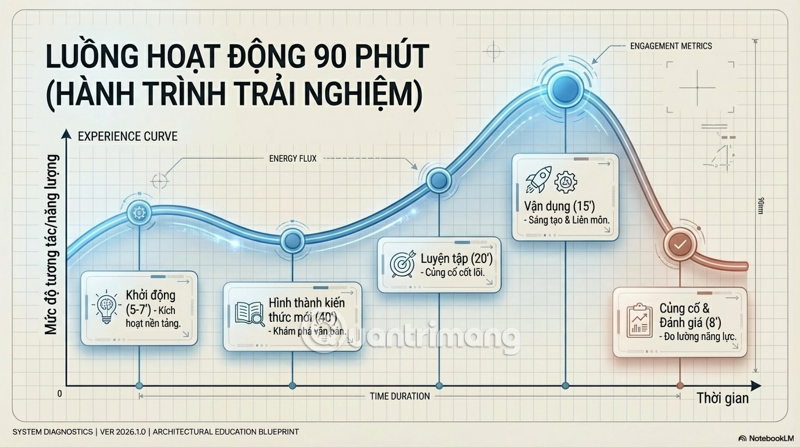
Request a realistic 90-minute sequence and have the tool total the time in a table. Ask students to distinguish textual evidence from personal opinion, then finish with a short written response that the teacher can assess against a simple rubric.
Download the original sample Grade 6 Cánh Diều lesson-plan file and check it against the current local template before reuse.
How to review the AI draft
- Check the source: verify the title, author, genre, quotations, page references, and textbook-specific content.
- Check alignment: each activity should produce evidence for a stated learning objective.
- Check timing: add every activity and allow time for transitions, questions, and student work.
- Check accessibility: supply vocabulary support, alternate participation routes, and meaningful extension tasks.
- Check assessment: replace vague criteria such as “good” or “creative” with observable features.
- Check privacy: remove names, grades, behavior records, and other identifying student data before using a public AI service.
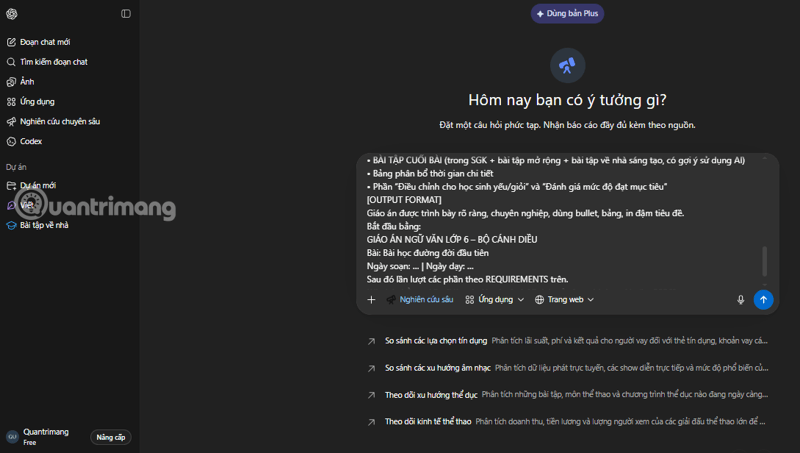
Turn the reviewed plan into teaching materials
After the lesson structure is sound, create slides, a worksheet, or a mind map from the same verified source set. NotebookLM can be useful when the work must stay grounded in selected documents; this NotebookLM and ChatGPT comparison explains the difference. For broader source work, compare the options in TipsMake's guide to AI research tools.
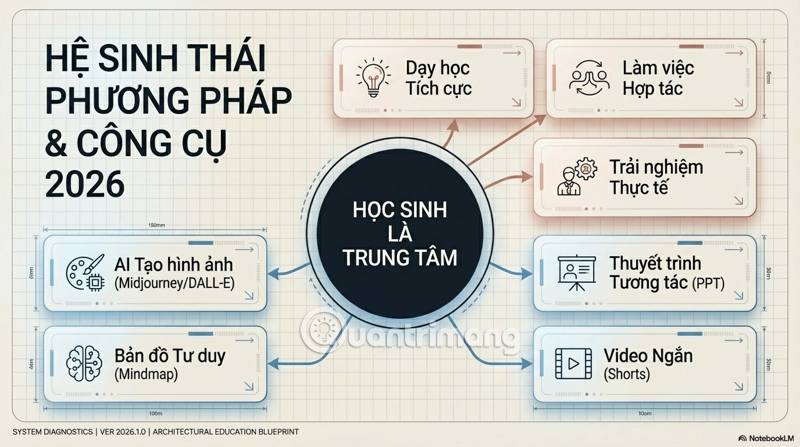
Slides should support the lesson rather than duplicate the plan. Keep text readable, label images and quotations, and include only activities that fit the available classroom technology.
The finished plan remains the teacher's responsibility. Treat AI output as an editable draft, test the instructions from a student's point of view, and revise after observing what actually worked in class.
Related Articles
 Guide to Building AI-integrated Lesson Plans4 minutes read
 Prompt Template for Building Lesson Objectives in NotebookLM4 minutes read
 Instructions on Converting Videos into Lesson Plans Using NotebookLM4 minutes read
 How to Use AI to Create Quality Lesson Plans2 minutes read
 Guide to Converting Videos into Lectures Using NotebookLM4 minutes read
 Top 7 Electronic Lesson Planning Software6 minutes read
Reader Comments 0
Sign in with email or Google to join the discussion.