Table of Contents
Password Protection When Using Public Computers is easier to understand when the core ideas are paired with practical examples. The sections below explain the topic clearly, highlight useful steps, and point out details that can prevent common errors.
Receiving and sending e-mails or conducting banking transactions on computers at hotels, libraries and public places is convenient, but sometimes it's not safe for your passwords because they are easy to steal.. To avoid this situation, when you login your password in public places, you should pay attention to the following: 1. Check if the computer has antivirus software installed? Please scan the entire computer for viruses before using. 2. Enter your e-mail address or online banking address yourself. 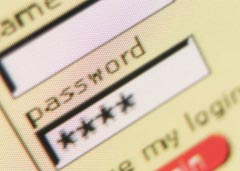 3. Enter the account or username in the specified place. 4. At the password entry box, enter the first character of the password. Then in the URL field at the top of the page or in the text field you copy-paste the other random characters of the password. Repeat this until all the characters of the password are entered. 5. Once you have successfully entered your password, do not select the option to remember your username and password. Although there are still many other ways for password thieves, this precautionary method will help keep your password safe from 'keylogging' software that records characters entered from the keyboard on the public computer.
FAQ
What is Password Protection When Using Public Computers?
Receiving and sending e-mails or conducting banking transactions on computers at hotels, libraries and public places is convenient, but sometimes it's not safe for your passwords because they are easy to steal..
Why is Password Protection When Using Public Computers important?
A clear understanding of Password Protection When Using Public Computers helps you make informed decisions, avoid common mistakes, and use the relevant tools or techniques more effectively.
How should beginners approach Password Protection When Using Public Computers?
Start with the fundamental concepts, follow the examples step by step, and test each change in a safe environment before applying it to important systems or data.
Related Articles
 Use Images Instead of Passwords - Should I Use Them?5 minutes read
 How to Set USB Passwords for Data Protection10 minutes read
 Online Password Protection5 minutes read
 Line: How to Add a Password to a. Bat File4 minutes read
 How to Set a Win 7 Password for Computers and Laptops3 minutes read
 Information: 8 Basic Principles When Using a Public PC6 minutes read
Reader Comments 0
Sign in with email or Google to join the discussion.