Table of Contents
Parallel Installation of Windows 10 with Windows 7 or 8 is easier to understand when the core ideas are paired with practical examples. The sections below explain the topic clearly, highlight useful steps, and point out details that can prevent common errors.
You want to experience the hot features on Windows 10, but don't want to completely replace the current version of Windows. Therefore the best solution in this case is to install Windows 10 in parallel with the existing Windows version and below is how to do it.
Step 1: Download the Windows 10 ISO file to your computer here .
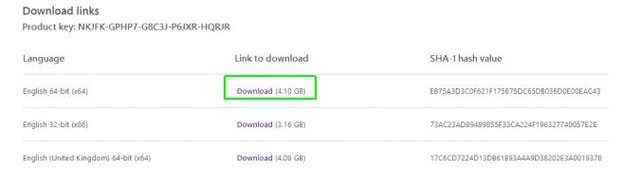
Step 2: Download and install the Windows 7 USB / DVD Download Tool utility for the computer. This utility will help users to transfer Windows 10 installer to USB to be able to install Windows 10 on the computer.
Step 3: Plug in a USB flash drive with at least 4GB capacity into your computer. Make sure that inside USB does not have important data types, because copying Windows 10 installation files to USB will erase all data on the USB.
Step 4: Start Windows 7 USB / DVD Download Tool up.
Step 5: Select the ISO file of Windows 10 you just downloaded in step 1 by clicking the Browse button in the Source file frame and then clicking the Next button.

Step 6: Go to the next step, press the USB device button. If you have an optical drive, you can choose DVD to transfer the installer to DVD and install. But in most cases, USB is a simpler option.

Step 7: Select the USB drive and click Begin copying button to start copying.

Step 8: Click the Erase USB Device button and press the OK button to confirm if prompted.
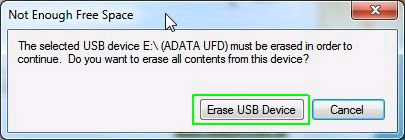
It will take a few minutes for this tool to copy the Windows 10 installation files to the USB drive.
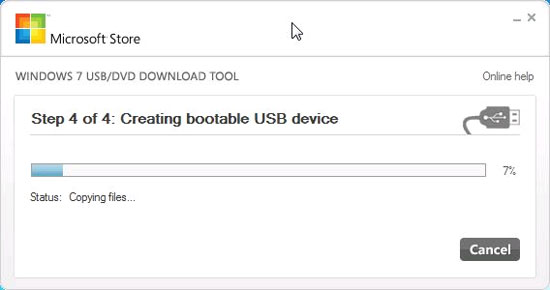
If you already have a partition to install Windows 10, you can skip the steps below and go straight to step 18 below.
Step 9: On your computer, navigate to the Disk management tool. On Windows 7, Windows 8 or Windows 8.1, go to Control Panel > Administrative tools > Computer Management , click the Storage item in the left pane and select Disk Management .
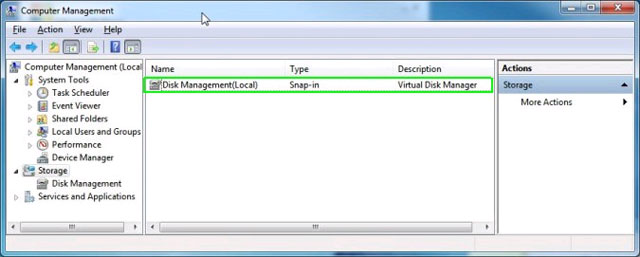
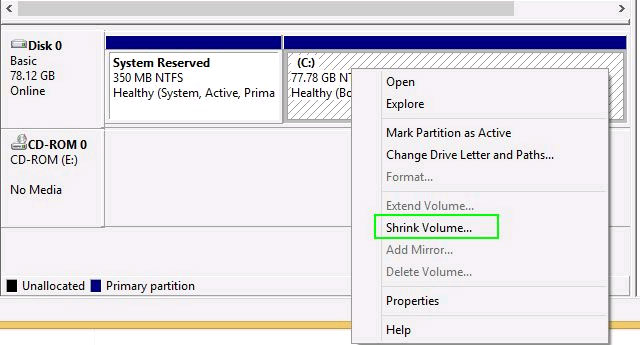
Step 10: Right-click the C drive partition and select Shrink Volume .
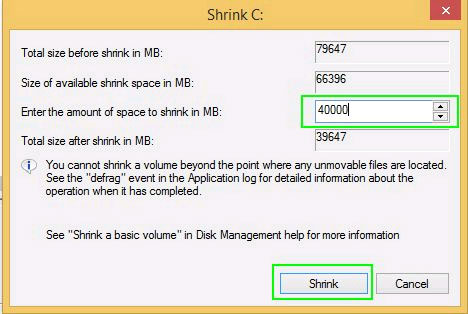
Step 11: Enter the capacity for the new partition to install Windows 10 in the frame Interval of the amount of space to shrink in MB . The minimum capacity to install should be 20GB ( 20,000 MB ), if you need to install more applications, you should choose 40 GB. Then click Shrink button.
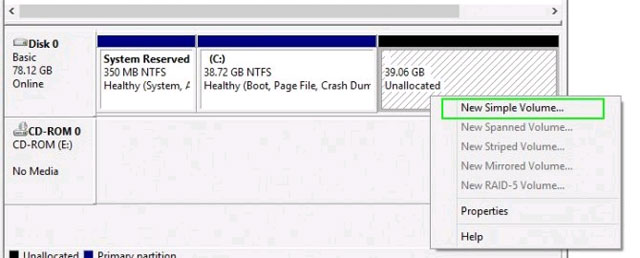
Step 12: Right-click on the newly created empty partition and select New Simple Volume .
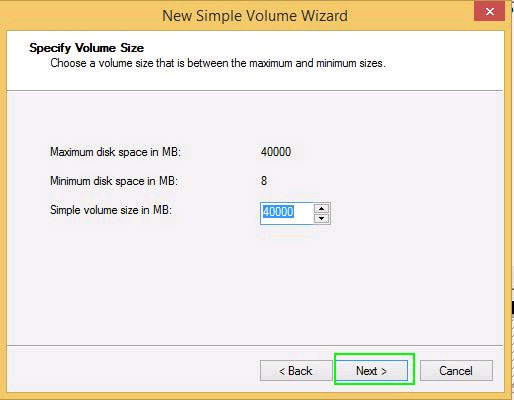
Step 13: Click the Next button in the new dialog box that appears. 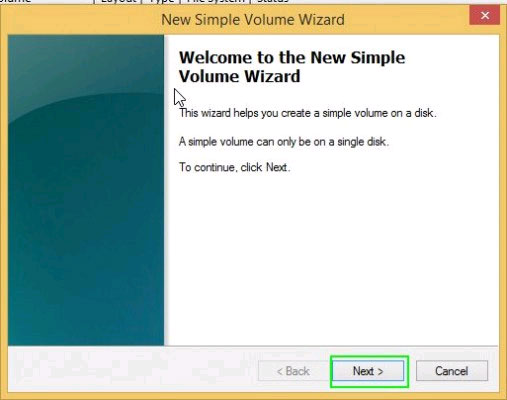
Step 14: Click the Next button again and keep the available disk space settings. Then click the Next button to continue.
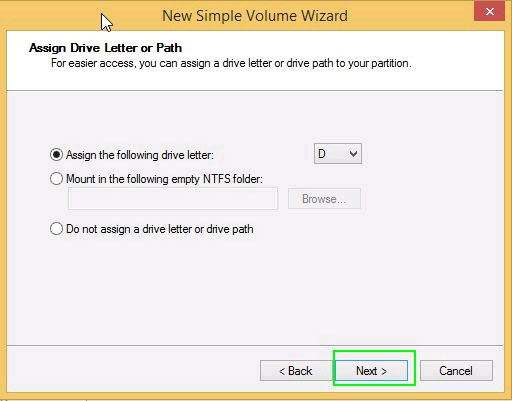
Step 15: Go to the next step, select the drive letter in the Assign the following drive letter section and click Next.
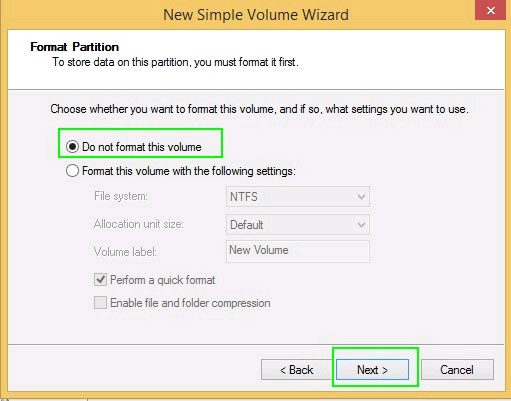
Step 16: Go to the new dialog box, click ' Do not format this volume ' and click Next to continue.
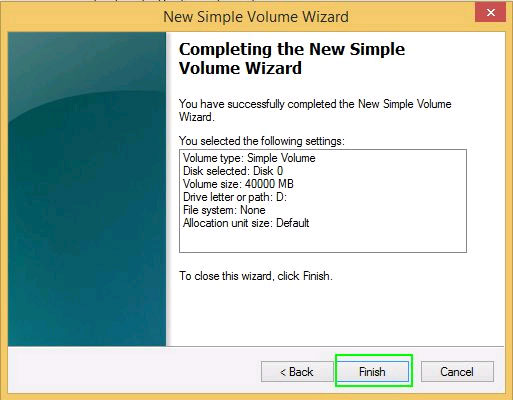
Step 17: Finally click the Finish button to complete.
Step 18: Restart your computer from the USB drive. When the computer restarts, you will have to press a special key like F11, F12 or ESC. depending on the different computer types to access the boot selection menu. After selecting USB, press the Enter key to start installing Windows 10 from the USB drive.
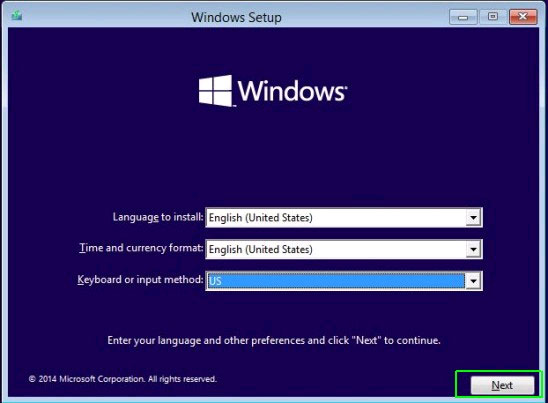
Step 19: In the Windows Setup dialog box that appears, select the language used, the time and keyboard settings, and click Next.
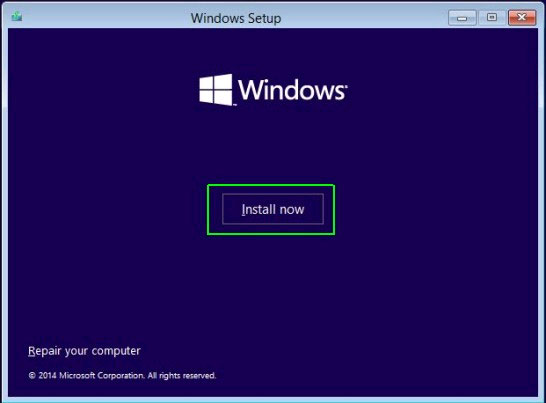
Step 20: Click Install Now button to continue.
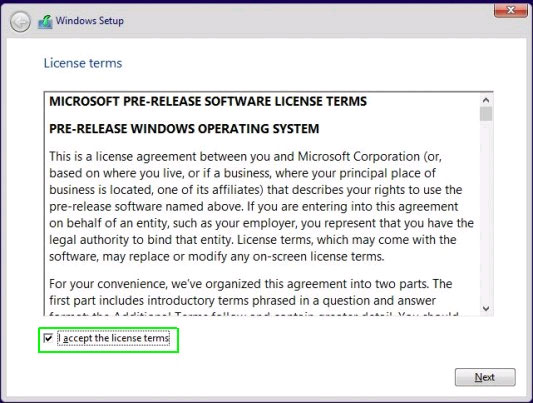
Step 21: Click the Accept the license terms option and click the Next button.
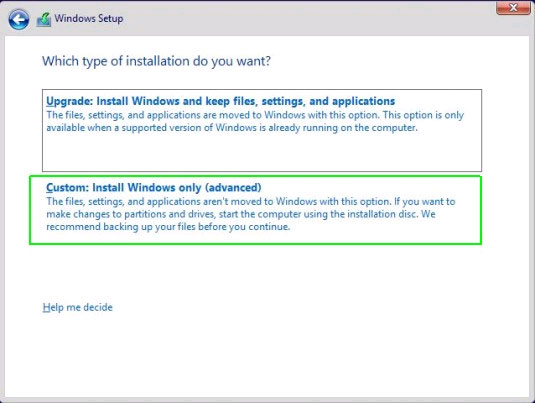
Step 22: Select Custom install
Step 23: Select the partition you just created, maybe the partition will be named ' Unallocated space ' and then click Next.
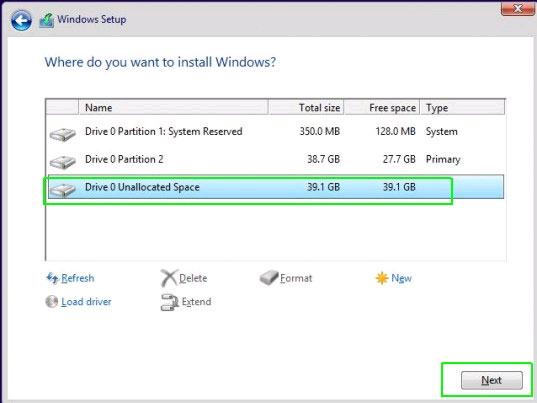
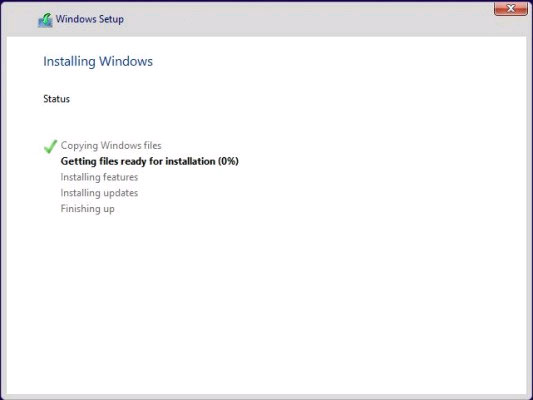
Windows will take a few minutes to copy the file.
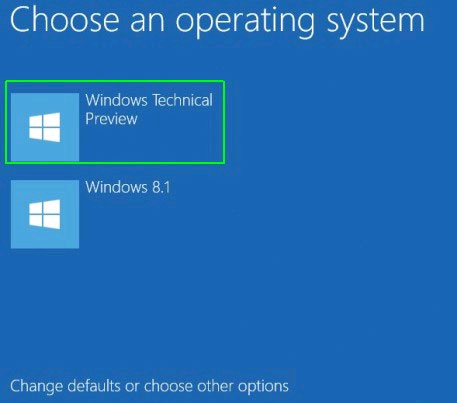
After a few minutes, the system will reboot and display a boot menu.
Step 24: Select the Windows Technical Preview . If the computer you are using is running Windows 7, the menu will display as text but not a graphical interface like Windows 8 / 8.1.
This system will continue to copy the file and reboot again.
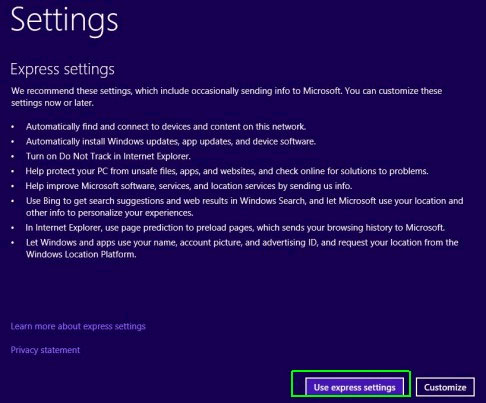
Step 26: After restarting, you will be redirected to the Settings screen. Here click the ' Use express settings ' button.
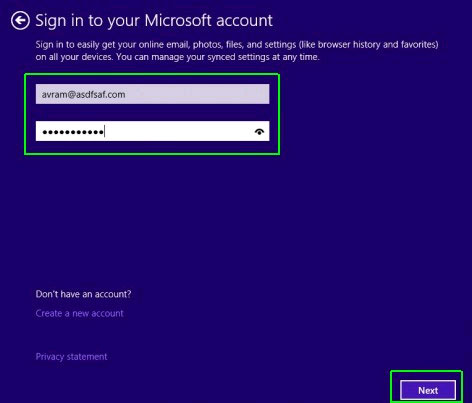
Step 27: Log in with your Microsoft account or create a new account by clicking the Create a new account link.
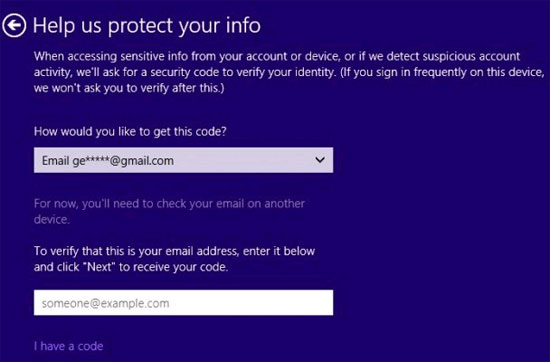
Step 28: Verify your account by entering your email address in the box How would you like to get this code? let Microsoft send you a security code.
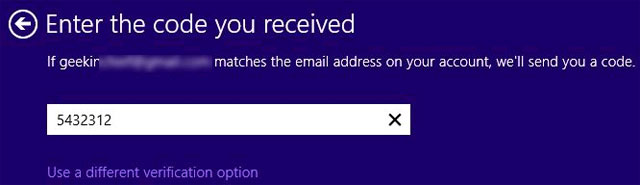
Then enter the security code that Microsoft sent to you via email in the empty box below the entry Enter the code you received .
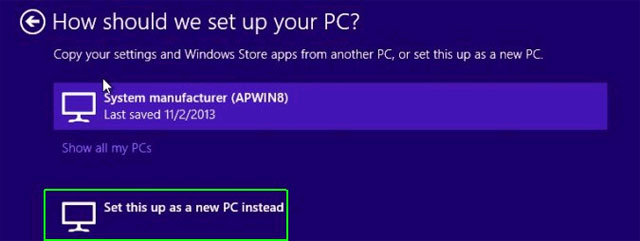
Step 29: Select ' Set this up as a new PC instead ' in the next step and click Next.
Step 30: Click Next to activate OneDrive.
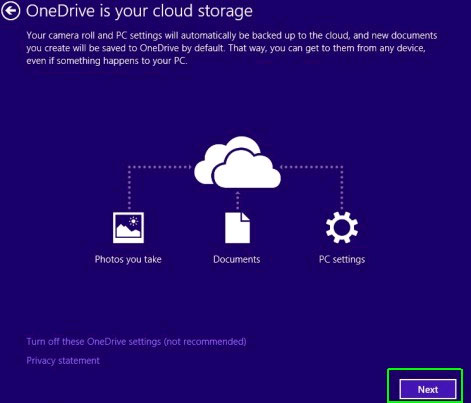
Windows will take a few minutes to complete the settings. After that, you will access the desktop.
Thus, the installation of Windows 10 from USB has been completed. Now every time you start your computer, you will see the boot menu with two options including the old version of Windows or Windows 10 Preview.
FAQ
What is Parallel Installation of Windows 10 with Windows 7 or 8?
You want to experience the hot features on Windows 10, but don't want to completely replace the current version of Windows.
Why is Parallel Installation of Windows 10 with Windows 7 or 8 important?
A clear understanding of Parallel Installation of Windows 10 with Windows 7 or 8 helps you make informed decisions, avoid common mistakes, and use the relevant tools or techniques more effectively.
How should beginners approach Parallel Installation of Windows 10 with Windows 7 or 8?
Start with the fundamental concepts, follow the examples step by step, and test each change in a safe environment before applying it to important systems or data.
Related Articles
 Ways to Install Ubuntu on Windows, Run in Parallel or Run14 minutes read
 Parallels - Parallels Download and Installation Guide4 minutes read
 How to Enable Parallel Download in Browser6 minutes read
 How to Install Kali Linux Dual Boot Windows5 minutes read
 How to Run Applications in Parallel on Windows 105 minutes read
 Instructions to Install Windows 10 in Parallel with Windows 76 minutes read
Reader Comments 0
Sign in with email or Google to join the discussion.