Table of Contents
This guide provides a clear overview of customize windows interface, including Make the Mouse Pointer Bigger, Make Your Mouse Pointer More Recognizable. Use it to understand the topic, compare the available options, and make a more informed decision.
Make the Mouse Pointer Bigger

For elderly people with poor eyesight, the default mouse pointer size on Windows may be too small, making them often lose track and make it difficult to manipulate. In this case, resize the mouse pointer to a larger size.
On Windows 10, open Settings and navigate to Ease of Access > Cursor & Pointer. Use the 'Change Pointer Size' slider to customize the mouse pointer size to be larger or smaller. It is also possible to change the color of the pointer, which will also make it easier to see and manipulate.
On Windows 11, open Settings and navigate to Accessibility > Mouse Pointer and Touch. Use the "Size" slider to make your mouse pointer bigger, and you can also choose a custom cursor style right on it to change the color.
Make Your Mouse Pointer More Recognizable

Windows has a special option that when activated, the mouse pointer will appear in a circle if you press the Ctrl key. This allows you to quickly determine the exact position of the mouse pointer on the screen.
On Windows 10 or 11, you first open the Start menu and search for the keyword 'Mouse Settings'. When the respective settings page opens, click on 'Additional Mouse Options'. In the 'Mouse Properties' window, click on the 'Pointer Options' tab, then check the 'Show location of pointer when I press the CTRL key' option.
Alternatively, you can enable the mouse pointer path in this same 'Mouse Properties' window. Just put a tick next to the 'Display Pointer Trails' option, then use the slider to decide how long you want the paths to last. In general, this will also make it easier for you to determine the position and direction of the mouse pointer in real time.
Adjust Font Size
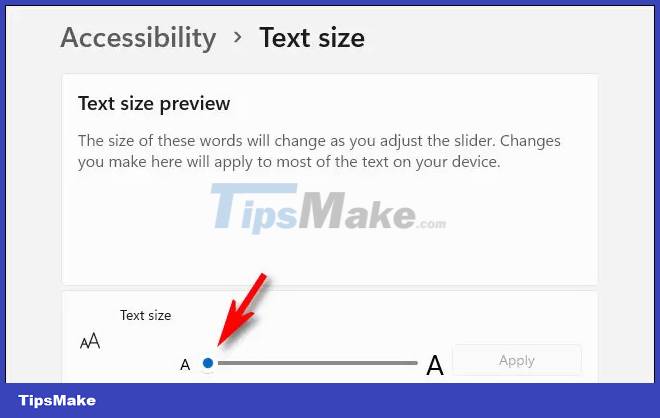
If you find it difficult to read small fonts on the screen, it is easy to set them up system-wide.
First, open Settings and select 'Accessibility' in Windows 11 or 'Ease of Access' in Windows 10. Next, for Windows 10, use the 'Make it Bigger' slider to adjust the font size be suitable. With Windows 11, click 'Text Size' and use the 'Text Size' slider to make the font larger or smaller.
Click 'Apply' when you're satisfied, and the changes will be applied immediately.
Make Fonts Bigger in Web Browser
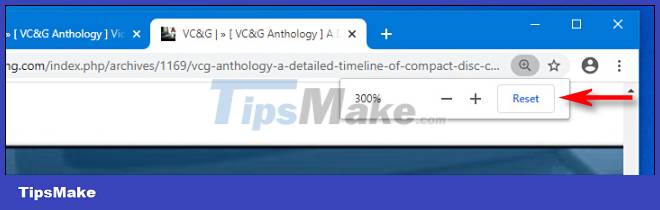
To make the browsing experience of the elderly better, you can also adjust the font size in the browser.
To quickly enlarge the text, you can use the 'Zoom' feature available in the browser. Click in the browser window and hold down the Ctrl key while scrolling the mouse wheel. This feature is available on most web browsers today.
Make Desktop or File Explorer Icons Bigger
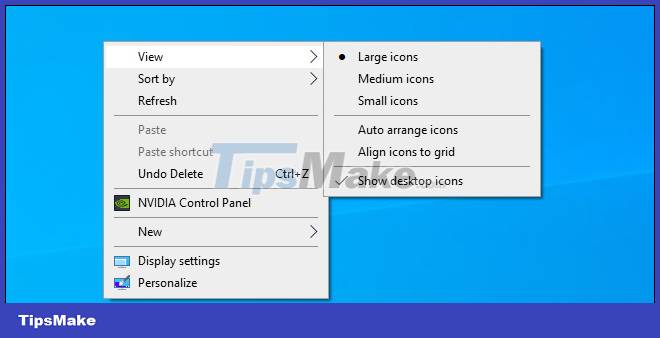
If you have trouble seeing and interacting with icons on the desktop or in File Explorer, you can easily enlarge them. In File Explorer on Windows 10 or 11, open a new window and click 'View' on the menu bar, then choose the size you want, such as 'Large Icons' or 'Extra Large Icons'.
On the desktop, you can quickly resize all the icons by holding down the Ctrl key and scrolling the mouse wheel. Or you can right click on the desktop, click 'View' and select the icon size from the list.
Wish you always have the best experience!
Conclusion
Understanding Customize Windows Interface makes it easier to compare options, avoid common mistakes, and apply the information in this guide more effectively. Review the relevant requirements before making changes or choosing a solution.
FAQ
What is Customize Windows Interface?
It is also possible to change the color of the pointer, which will also make it easier to see and manipulate.
Why is Customize Windows Interface important?
Understanding Customize Windows Interface helps you evaluate features, compatibility, performance, and potential limitations before you choose a product or follow a procedure.
What should you consider when using or choosing Customize Windows Interface?
Consider your specific goal, compatibility requirements, available features, cost, security, and the practical recommendations described in this guide.
Related Articles
 How to Choose to Buy Television Suitable for Families with Older8 minutes read
 How to Customize the Look of Win 10 as You Like3 minutes read
 6 Tips to Customize the Start Menu on Windows 114 minutes read
 Refresh the Windows 10 Interface with 11 Custom Tools11 minutes read
 4 Best Android Launchers for Seniors5 minutes read
 Steps to Customize Discord Interface4 minutes read
Reader Comments 0
Sign in with email or Google to join the discussion.