Table of Contents
The sections below explain instructions for controlling Android devices via computer in a clear and practical way. Review the key details, examples, and considerations before applying the information.
Part 1: Pair the device
Make sure your Android device and computer are connected to the same network. To do this, it's best to connect two devices with the same network name.
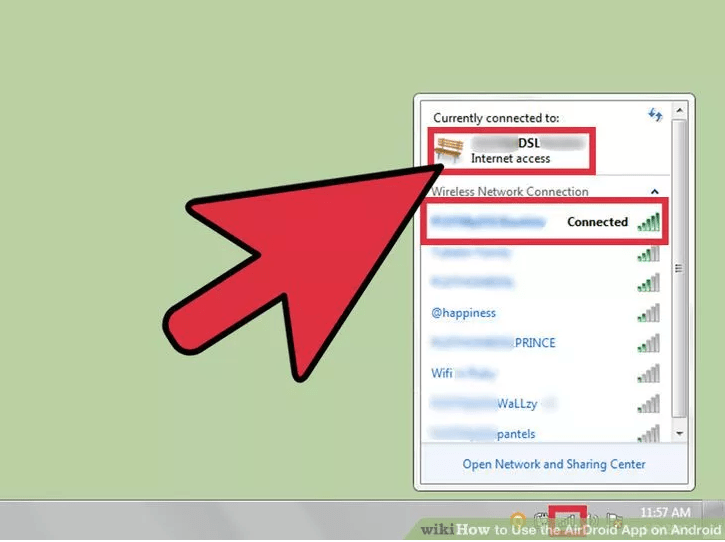
Part 2: Download and install AirDroid
1. Access the Google Play Store app on your device.
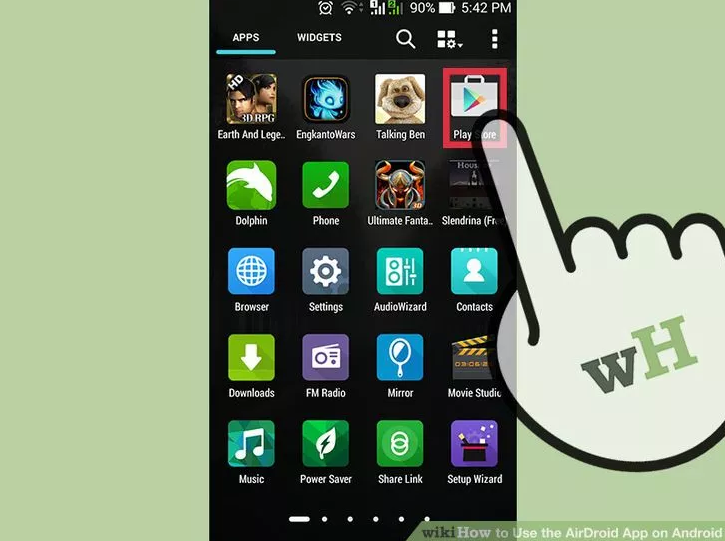
2. Enter AirDroid in the Search box on Google Play Store to find AirDroid application.

3. On the search results list screen, click the AirDroid application icon of the Sand Studio application developer.
Next click Install To start the AirDroid installation process on your Android device.

Alternatively, you can download AirDroid and install it here.
Part 3: Open the AirDroid application on your device
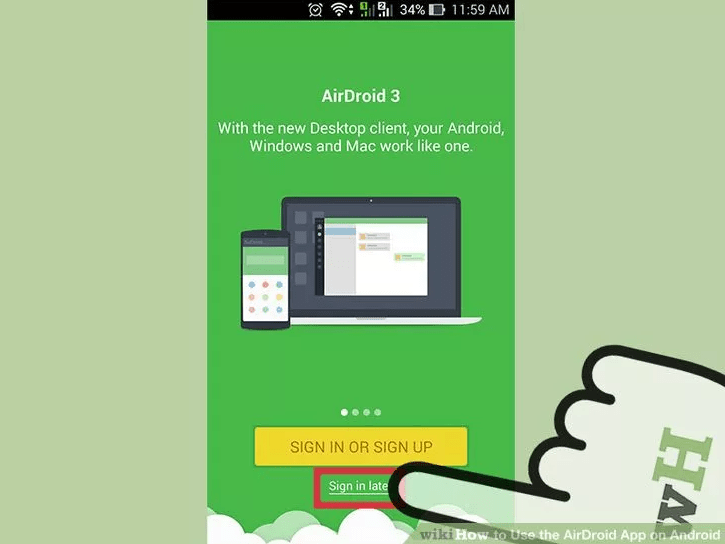
1. On the app list screen, find and click the AirDroid application icon you just installed.

2. At this time, a popup window appears, here you find the Connections tab.
3. Note at the 2nd URL frame will display the IP address, your task is to note this IP address.
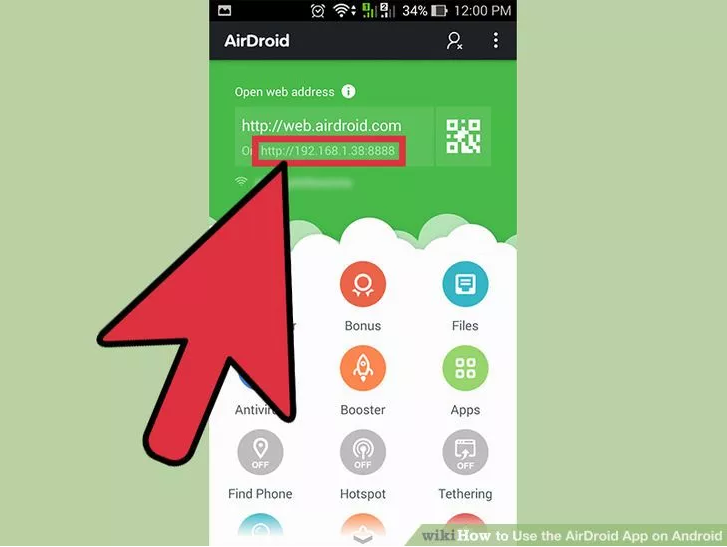
4. Enter the URL into the browser on your computer or Mac. To do this, simply open any browser on your computer and then enter the IP address you noted above into the browser address bar.
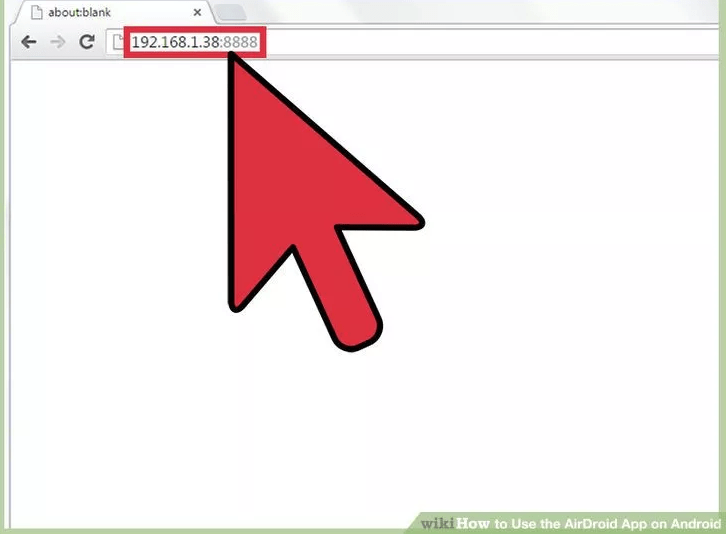
5. After entering the IP address, the message appears on the screen of your device with the options Accept or Decline. Your task is to click Accept .
Part 4: Use AirDroid to transfer files
1. Click the Files icon on the computer or Mac that you just connected by browsing the file in Windows Explorer.

2. Drag and drop the file
To transfer any file from your computer to your Android phone, access that folder and then click Upload In the top right corner of the screen. Now a new window appears on the screen, you can drag and drop the files you want from your computer.
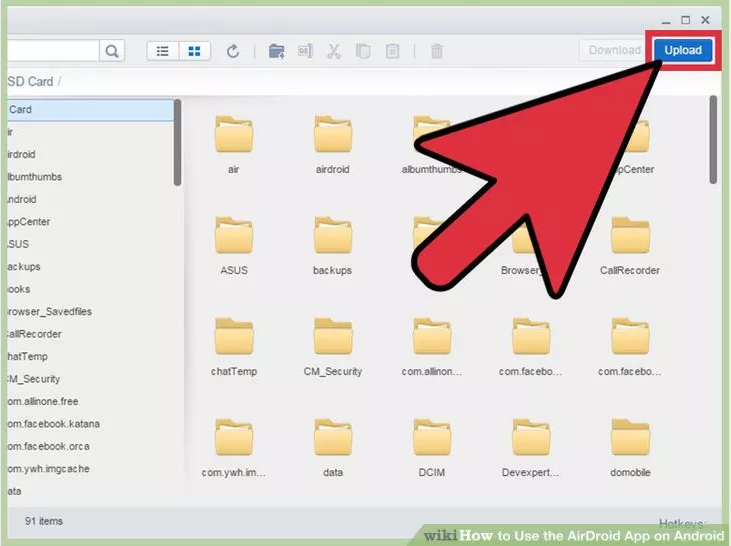
And the app will start transferring files. File transfer speed will depend on your file size and connection quality.
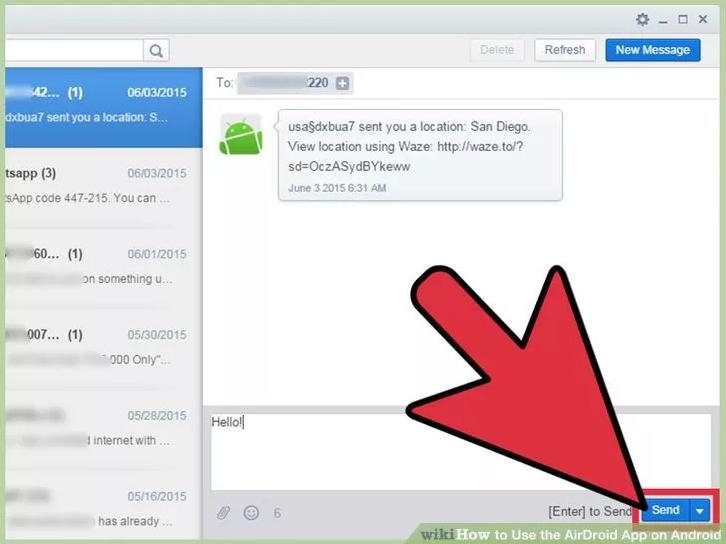
Part 5: Use AirDroid to send messages
1. Click the Message icon.
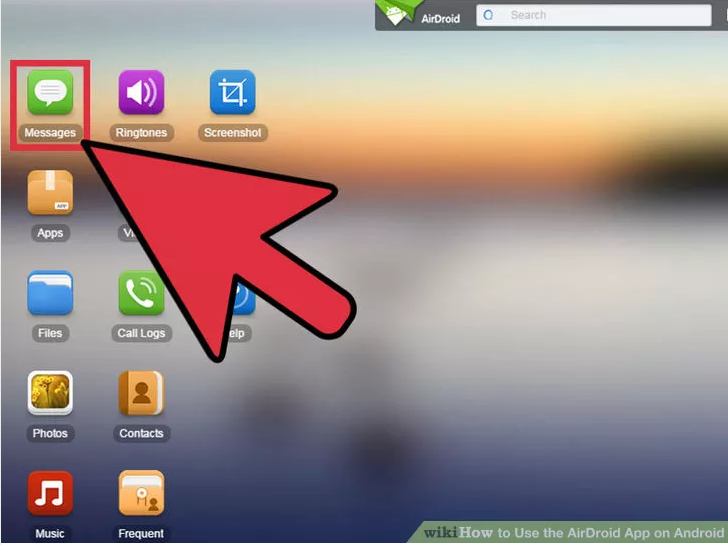
2. click any phone number and write the message you want to send.
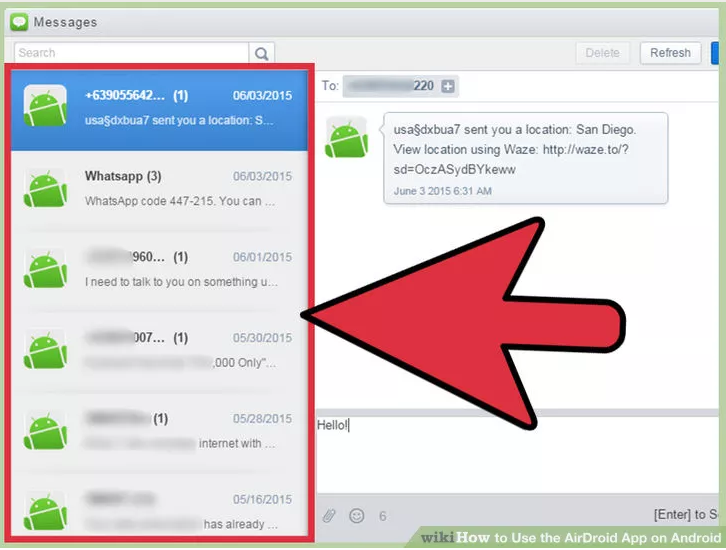
3. Finally click Send To send the message.
Refer to some of the following articles
- This is a way to transfer files from your computer to your Android phone without a USB cable
- All information about devices list on Android 7.0 Nougat, how to download and how to install
- How to hide important data files and applications in Android devices
Good luck!
FAQ
What is the main benefit of instructions for controlling Android devices via computer?
The main benefit is a clearer understanding of the topic and a practical way to apply the information covered in this guide.
What should I check before using instructions for controlling Android devices via computer?
Confirm compatibility, review the required settings, protect important data, and use the latest supported version whenever possible.
What should I do if the result is different?
Repeat the steps carefully, verify permissions and version differences, and consult the product's official support documentation for changes not shown in the article.
Related Articles
 An Application for Controlling Your PC Using Your iPhone or Android Phone4 minutes read
 Top Android Apps for Controlling Windows 10 Computers9 minutes read
 Tips for Controlling Android Devices from Another Android Device5 minutes read
 Instructions for Controlling a Computer with Chrome Remote Desktop3 minutes read
 Good Tips for Android Devices7 minutes read
 This Woman Found a Way to Control Sperm by the Brain, Creating2 minutes read
Reader Comments 0
Sign in with email or Google to join the discussion.