Table of Contents
This updated guide examines Install Windows 8 on USB to Carry and Use as Needed and organizes the essential facts, background, and practical takeaways in clear American English.
To perform the installation, you need a PC running Windows 8, a Windows 8 installer and a USB or external hard drive.
Windows To Go
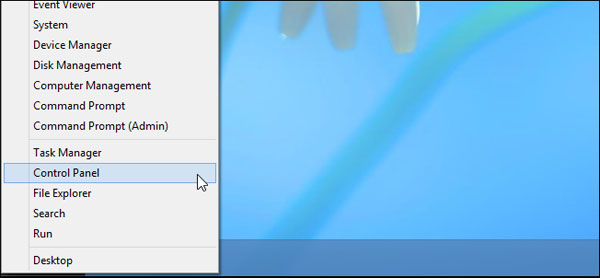
Press Win + X and select Control Panel from the context menu.
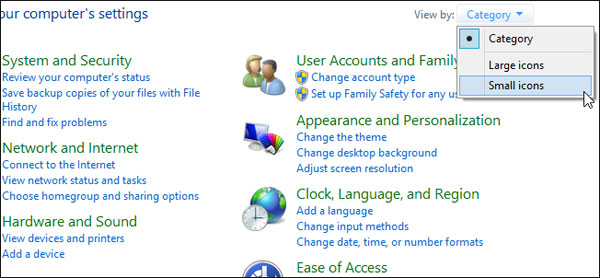
Change the Control Panel to Small Icons view.
We will see Windows To Go at the bottom of the Control Panel, click on the Windows To Go icon.

Now, select the USB drive you want to use as a pocket Windows folder, then click Next .

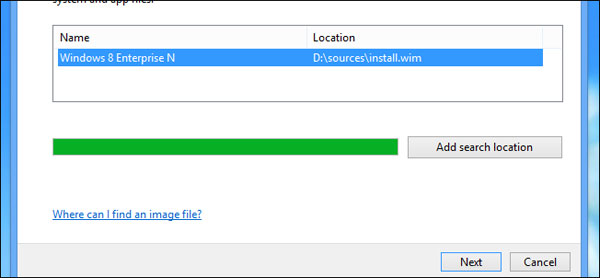
The installation window will automatically scan the CD / DVD drive and the external drives for a valid Windows installation file. Once you've chosen the Windows version, select Next .
Note : If you save the installation file to another location, you will need to use the Add search location function.
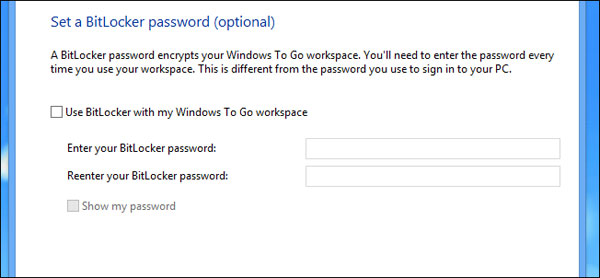
The user can then set the BitLocker password if desired.
At the final setup screen, a warning will appear informing you that the USB drive will be reformatted. Click Create to continue.
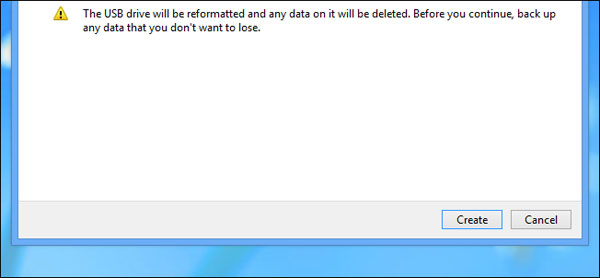
Now we have a bootable USB drive with the Windows operating system on it.
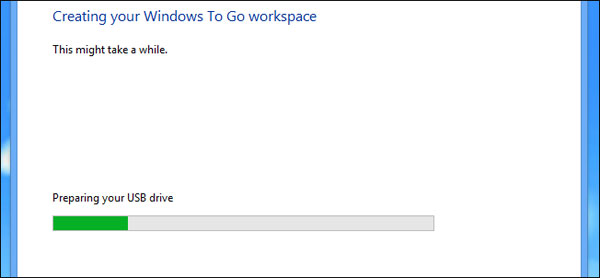
Reformat the USB drive using Windows To Go
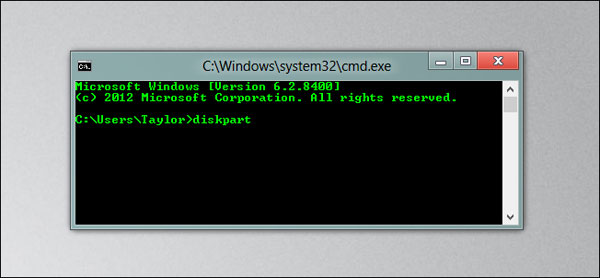
If you're done and want to reformat the drive, you'll need to open a command prompt, type diskpart and press Enter .
After entering the Diskpart command, we need to find out which drive is the drive that needs to be reformatted. Use the list disk command to display all the drives currently connected to the computer. Keep in mind the drive number as we will need it in the next step.
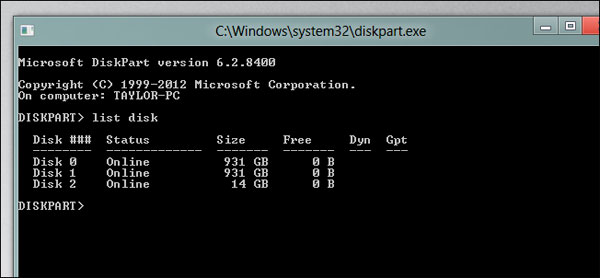
Use the select disk command to select the drive with the known serial number.

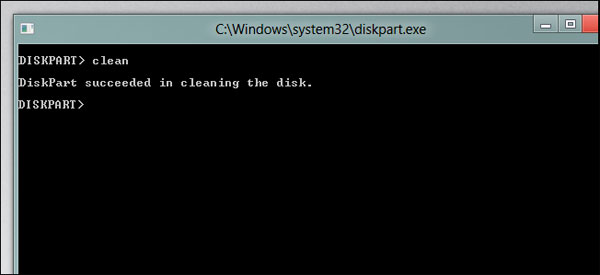
The drive has been selected and we can clean it up using the clean command.
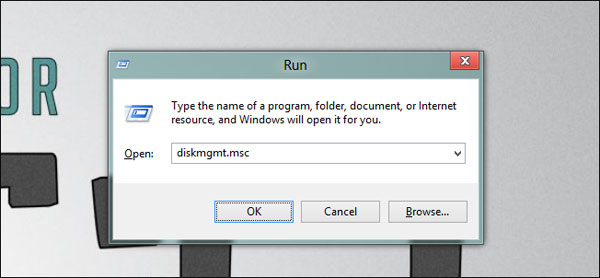
Now, press Win + R key combination to display the Run box and open Disk Management.
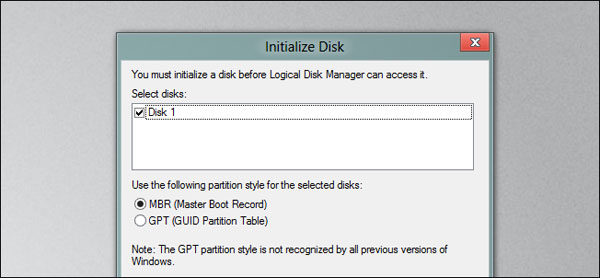
After the Management console driver opens, perform a drive initialization.
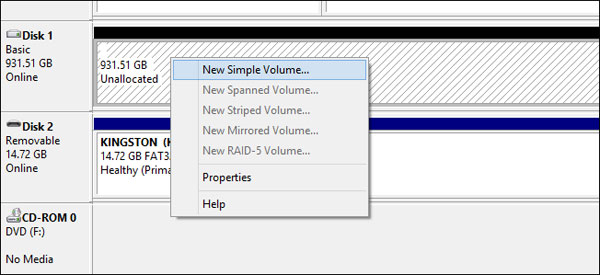
Perform drive partition creation.
That is all to be done. Good luck!
FAQ
What is Install Windows 8 on USB to Carry and Use as Needed about?
It provides a structured overview of Windows 8, explains the main context, and highlights practical takeaways for readers.
Why does this topic matter?
Understanding the main concepts helps readers evaluate the issue, avoid common mistakes, and make better-informed decisions.
How should readers use this information?
Use the guidance as a practical starting point, confirm details that may have changed, and follow current product, safety, or security recommendations.
Related Articles
 The Software Needed After Installing Windows7 minutes read
 How to Install Windows 8.1 from USB7 minutes read
 How to Install Windows 10 from USB with ISO File8 minutes read
 Install Windows 10 with a Super Fast USB in Just a Few Simple Steps5 minutes read
 Mac OS vs Windows: Which Operating System Should I Choose to7 minutes read
 Top 5 Tools to Help Install Applications Always Floating on4 minutes read
Reader Comments 0
Sign in with email or Google to join the discussion.