Table of Contents
Overview
This guide explains how to update all drivers for Windows 10 computers in clear, practical terms. It covers the key concepts, recommended steps, common limitations, and useful checks so you can make a better-informed decision.
Driver is the driver of all hardware components on the computer. In other words, it is like a language that can help the hardware communicate with the operating system so that we can use them. Therefore, if there is no computer driver, your laptop will not be able to operate normally. If you have just upgraded the hardware, used additional peripheral devices but they cannot work? It is very possible that you have not installed the driver properly. Below, this guide explains to update the drivers of all devices on the computer using Windows 10 operating system in an extremely easy way.
Today, with cloud computing technology, we do not need to search and download drivers like before. Just need to be connected to the network, we can easily update hardware drivers in an straightforward way in the following ways:

Update driver via Device Manager
Device Manager is a tool integrated into the Windows operating system that helps users manage and control hardware and driver issues. Besides the function of listing and managing hardware, it can also help you update drivers easily.
To open the Device Manager tool, on the Desktop screen, right-click on the This PC icon > Manager > Device Manager (or right-click on the Window icon in the left corner of the screen and select Device Manager).
When the Device Manager window appears, you will see a detailed table of all hardware devices on the system including CPU, graphics card, sound card, network card, drives, connection types. To see more details about each device, just click on the small arrow corresponding to each item you want to see.

To see more details about the driver versions of the devices, click on the corresponding small arrows to make the devices appear > Right-click on a device > Select Properties.

At this point, if your device does not have a driver installed, you will see a yellow exclamation mark icon. To install and update the latest driver version of the device, right-click and select Update Driver.
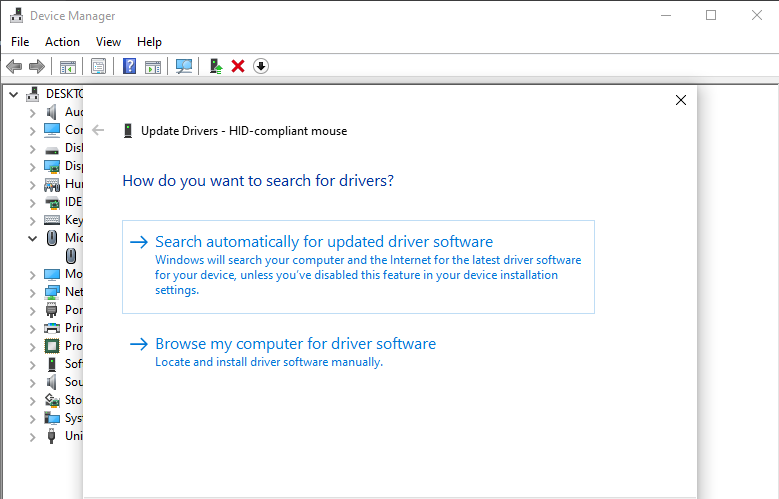
There are two options that appear for you to choose from:
+ Search automatically for updated driver software: The system will automatically search for the latest version of the driver and update automatically.
+ Browse my computer for driver software: If you have downloaded the latest version of the driver, you can click on this option to find the new driver on your computer and start updating.
Update driver via Windows Update.
As you know, Microsoft continuously releases patches and updates for Windows 10 to provide optimal performance, fix errors in previous versions to bring the most perfect experience to users. Along with each Windows update, you can also update hardware drivers at the same time as accompanying applications.
To automatically update drivers via Windows Update, click on the Windows icon in the left corner of the screen > select Settings > Update & Security.
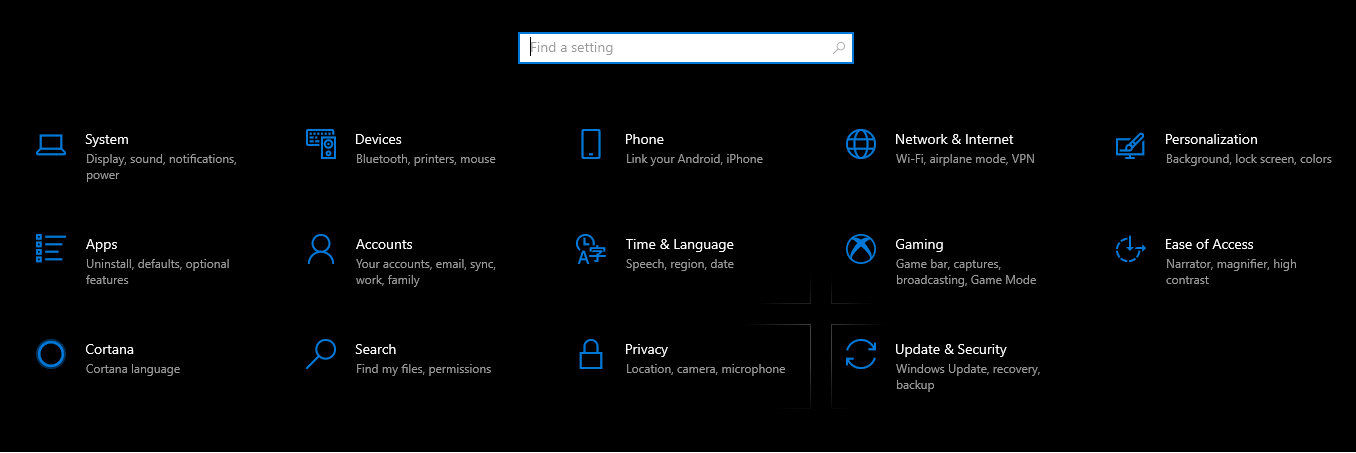
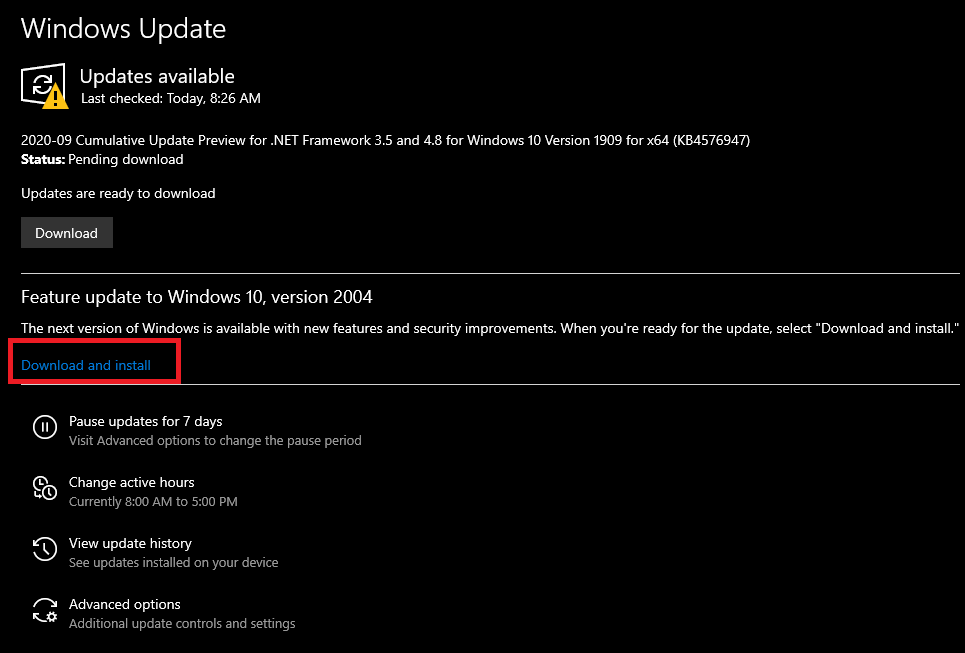
Select Windows Update. Here, if there is software or driver that needs to be updated, you will receive a notification Updates available. Now you can select Download and Install to download and install.
Update Driver via Driver Booter software
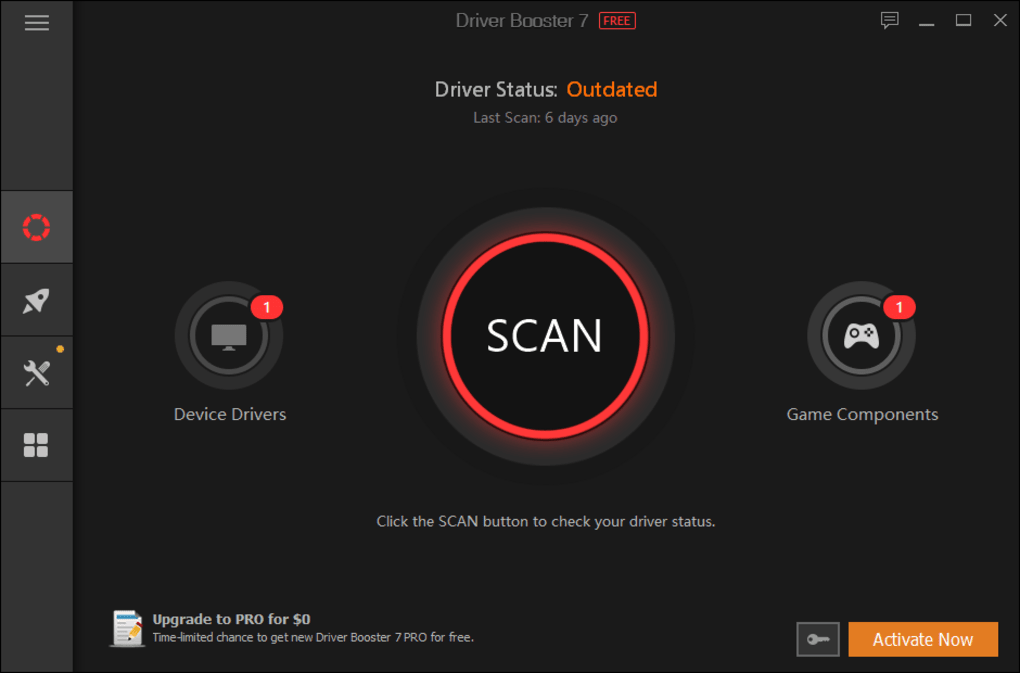
Driver booster is the best driver search and download software currently used by many people. With the function of searching, downloading and installing missing drivers for hardware on the computer. Driver Booster integrates a database of more than 500,000 drivers and devices, allowing you to remove outdated drivers and create driver backups in case you need to restore them.
 Download and view instructions for using Driver Booter here:
Above, this guide has guided you through 3 ways to update drivers for all hardware devices on computers using Windows 10. Straightforward and easy to do, right? If you need further technical support, please leave a comment below the article for this guide's technical team to help!
Key Takeaways
Use the guidance above as a practical reference for update all drivers for Windows 10 computers. Check compatibility, follow the steps carefully, and verify important details with official documentation when software, security, accounts, health, or purchases are involved.
FAQ
How do I update all drivers for Windows 10 computers?
Follow the steps in this guide in order, confirm each setting before continuing, and save, restart, or reconnect the device when the instructions require it.
What should I check before I begin?
Confirm the correct device, account access, software version, compatibility, and a current backup whenever the process could affect files, settings, or security.
What should I do if the process does not work?
Repeat the steps carefully, check for model or version differences, install available updates, and consult the manufacturer's official support documentation.
Related Articles
 How to Disassemble an Acer Aspire ES1-532G Laptop7 minutes read
 How to Update Genuine Automatic Drivers for Dell Laptops5 minutes read
 Automatically Update Drivers for Windows with Snappy Driver Installer6 minutes read
 Fix Old Driver Duplicate Settings on Windows Update4 minutes read
 How to Use 3DP Chip to Update or Install Missing Drivers for the Computer5 minutes read
 How to Update Drivers for Windows 105 minutes read
Reader Comments 0
Sign in with email or Google to join the discussion.