Table of Contents
This updated guide explains how to Turn on / Off Volume in Windows 10: Step-by-Step through clear steps, practical examples, and important checks that help prevent common errors.
Although you can adjust the volume levels of individual devices and apps, sometimes you just want to turn the volume on and off without affecting the set volume level.
This guide will show you various ways to turn off and turn on system volume or of individual devices and applications in Windows 10.
Turn Off / on the Volume with the Keyboard
Press the Mute key on the keyboard to turn on and turn off the volume.
The actual key you press on the keyboard will vary by manufacturer.

Turn Off / on the Volume from the Volume Icon on the Taskbar
1. Click the Volume icon in the notification area on the taskbar and select the streaming device (if there is more than one) you may need to mute or unmute.

2. Click the volume icon to switch between mute and unmute actions.


Turn Off / on the Volume with the Volume Mixer
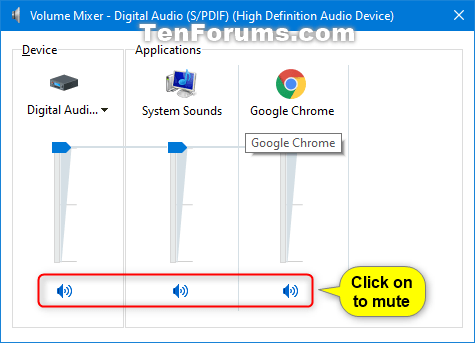
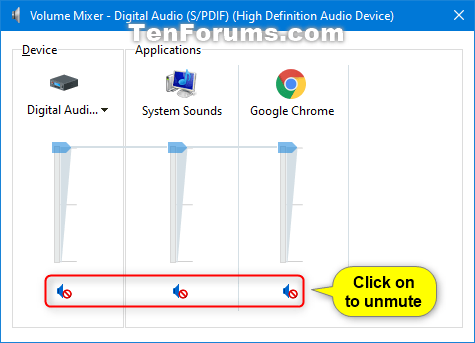
1. Right-click or press and hold the Volume icon on the notification area in the taskbar and click Open Volume Mixer .

2. Click the device and app volume icons to change between mute and unmute actions for them.
Turn Off / on the Volume in the Game Bar
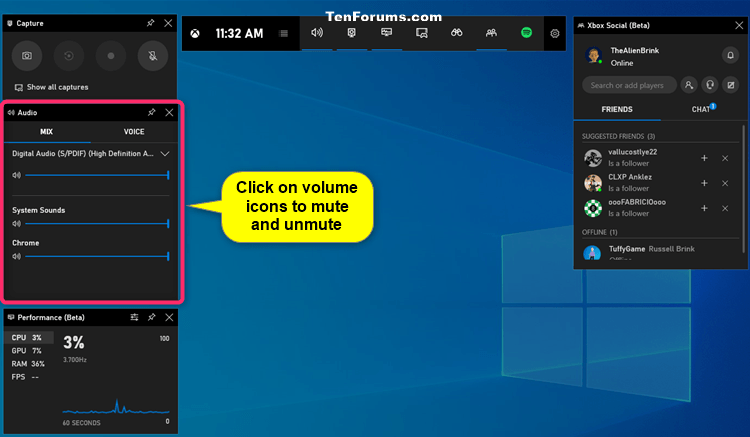
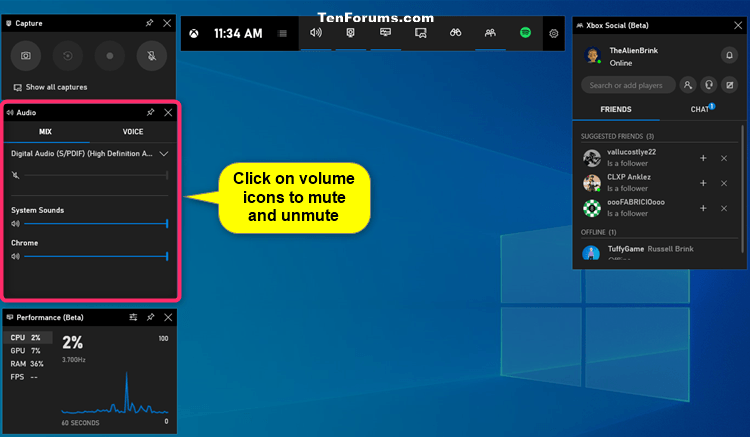
1. Press the Win + G keys to open the Game Bar.
2 In Audio , tap the device and app volume icons to change between mute and unmute actions for them.
Turn Off / on the Volume in Settings
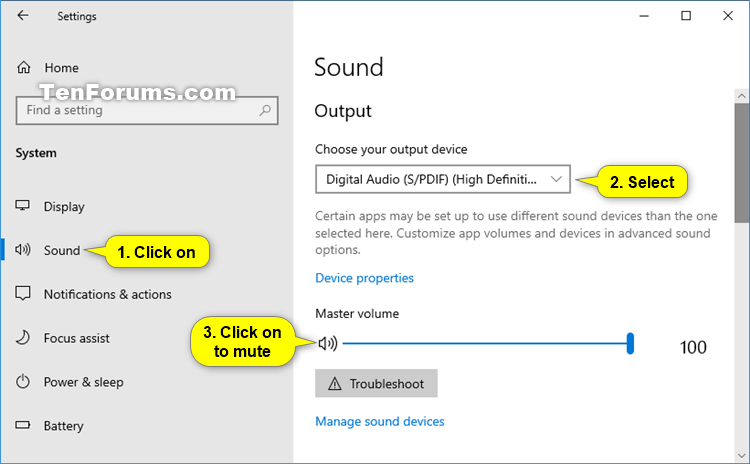
1. Open Settings and click the System icon .
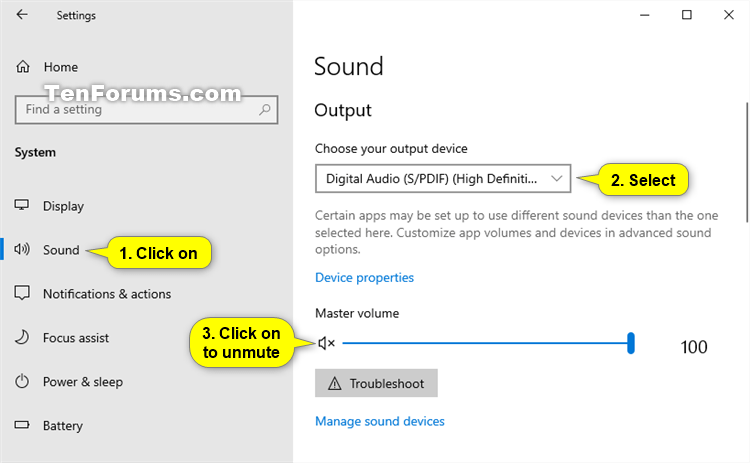
2. Touch the Sound section on the left side.
3. If you have multiple audio output devices, select the device you may need to mute or unmute in the Choose your output device menu.
4. Click the volume icon to switch between mute or unmute.
5. When done, you can close the Settings if desired.
Turn Off / on the Volume in Advanced Sound Options
1. Open Settings and click the System icon .
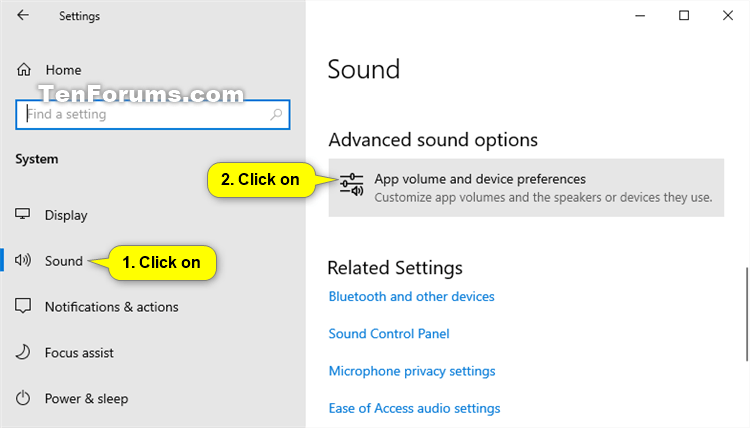
2 Click Sound on the left and press App volumeand device preferences in Advanced Sound Options on the right.
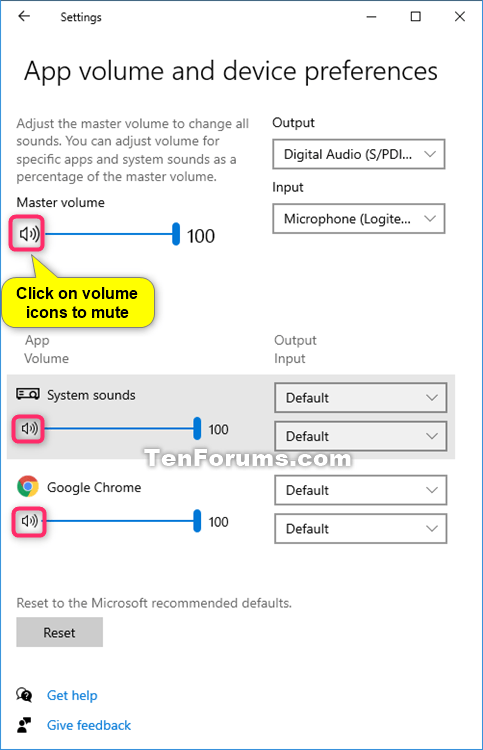
3. Click the device and app volume icons to switch between turning them on or off.

4. When done, you can close the Settings if desired.
Turn Off / on the Volume in the Control Panel
1. Open Control Panel (icon view) and click the Sound icon .
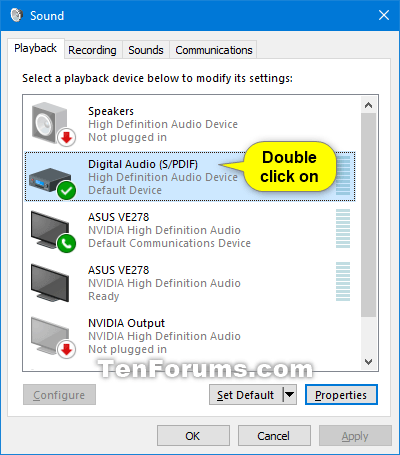
2. In the Playback tab, double-click the device you may need to mute or unmute.
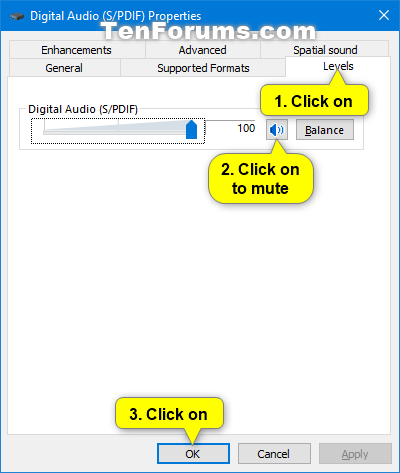
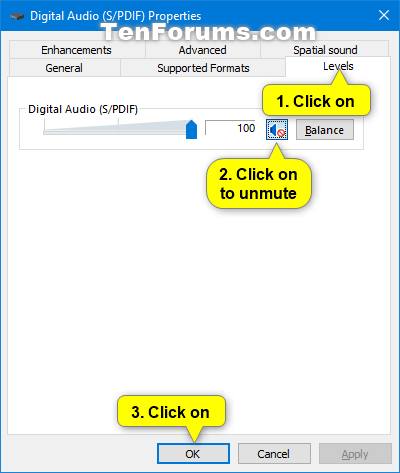
3. Click the Levels tab, click the volume icon to switch between mute and unmute actions, and then click OK.
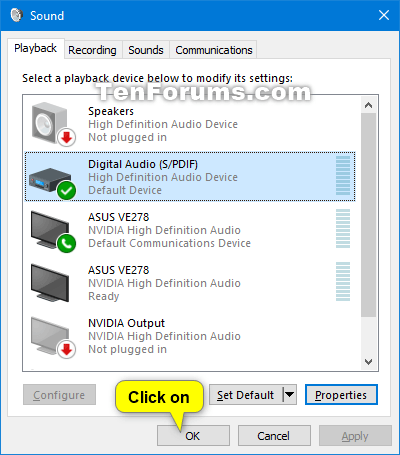
4. Click OK.
Turn Off / on the Volume in Windows Mobility Center
1. Open Windows Mobility Center .
2. Select or deselect the Mute box in the Volume section, depending on what you want.
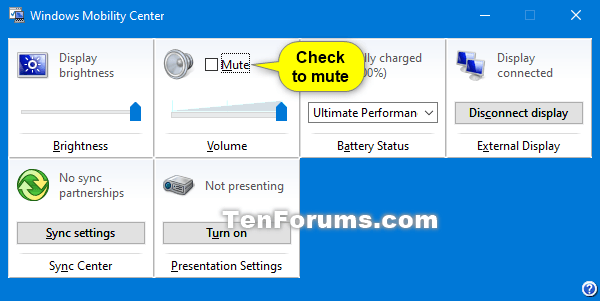

3. You can now close Windows Mobility Center if you like.
FAQ
What is the easiest way to Turn on / Off Volume in Windows 10: Step-by-Step?
Start with the requirements in this guide, then follow each step in order. Check the result after every major change so problems are easier to identify.
Can beginners follow these instructions?
Yes. The process is organized into practical steps, and you can repeat any step before moving forward.
What should I check if the method does not work?
Confirm your software or device version, permissions, settings, file format, and internet connection when the task depends on online services.
Related Articles
 Programmers Optimize Their Own 'Classic' Volume Interface That3 minutes read
 7 Ways to Fix Low Volume in Windows 108 minutes read
 3 Ways to Increase, Decrease the Volume for Video5 minutes read
 Ways to Adjust System Volume on Windows 115 minutes read
 How to Dismount a Volume3 minutes read
 How to Turn Off the Sound, Adjust the Volume on Each Chrome4 minutes read
Reader Comments 0
Sign in with email or Google to join the discussion.