Table of Contents
This updated guide examines How to Select Folders to Sync with Copy on Windows and organizes the essential facts, background, and practical takeaways in clear American English.
Part 1of 3:
Running Copy
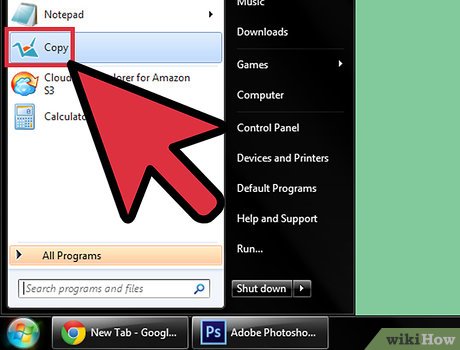 Open Copy. Go to your Start menu and locate the Copy folder. Click on the Copy application shortcut from there. Copy will be launched, and reside on your notification tray at the lower right side of your screen.
- If Copy is already running, there's no need to launch it again.
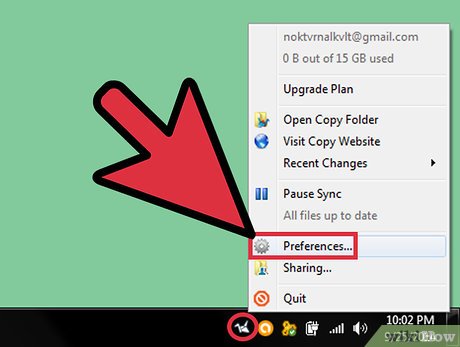 Go to 'Preferences.' Right-click on the Copy icon, the one with the origami crane picture, to bring out the menu. Select 'Preferences' from here. Your Copy account details and settings can be seen here.
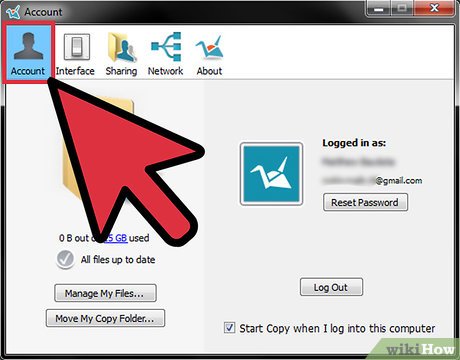 Go to 'Account' tab. The Preferences window has several tabs. The first one is the Account tab; click on this. Your account information is displayed here.
Part 2of 3:
Selecting Files and Folders to Sync
 Manage 'My Files.' Under the Account tab, click on the 'Manage My Files' button found towards the bottom of the window. This will bring out another window with the files and folders of your Copy account.
 Select files and folders. Beside each item is a check box. By default, all of them are ticked since all of the files and folders are getting synced.
- Remove the ticks from the check boxes of the files and folders you don't want to get synced to your computer.
 Remove local copy. For every file or folder you opt to not sync, you have the option to retain its local copy. Since by default all files and folders are synced, everything that exists in your Copy account is also in your local Copy folder.
- If you decide to retain the local copies, remove the check mark from the 'Remove local copy' option at the bottom of the window. Even if the files are not syncing, they will still remain in your local Copy folder.
 Save. Once you're done with your selection, click on the 'Save' button at the bottom of the window. Exit 'Preferences' as well. Your local Copy folder's contents will get updated.
Part 3of 3:
Viewing the Copy Folder
 Go to Copy folder. Look for Copy on your notification tray. Right-click on it to bring out a menu.
- Select 'Open Copy Folder' from it, and the folder will be opened.
 Check files. If you opted to remove the local copies of the files and folders that you won't sync, they will be removed from this folder. Otherwise, you can still see them here.
- Resume syncing. If you decide later on to resume syncing for the files and folders you have stopped syncing, simply repeat Part 2. Just ensure the files are ticked this time.
FAQ
What is How to Select Folders to Sync with Copy on Windows about?
It provides a structured overview of copy, explains the main context, and highlights practical takeaways for readers.
Why does this topic matter?
Understanding the main concepts helps readers evaluate the issue, avoid common mistakes, and make better-informed decisions.
How should readers use this information?
Use the guidance as a practical starting point, confirm details that may have changed, and follow current product, safety, or security recommendations.
Related Articles
 OneDrive Launches File Protection for Windows 10 Users4 minutes read
 How to Copy and Paste: Step-by-Step Guide6 minutes read
 Top 5 Lip Sync Apps on the Best Phone8 minutes read
 How to Select Multiple Files at Once on Mac4 minutes read
 How to Sync Any Folder with Onedrive in Windows 103 minutes read
 Hide the Windows Folder in a Professional Way3 minutes read
Reader Comments 0
Sign in with email or Google to join the discussion.