Table of Contents
This updated guide examines How to Restart a Mac and organizes the essential facts, background, and practical takeaways in clear American English.
Method 1of 6:
Using the Apple Menu
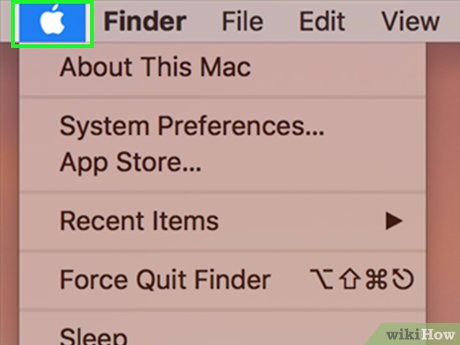 Click on the Apple logo located within the toolbar of your Mac.
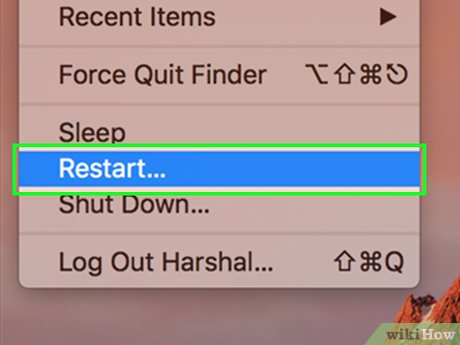 Click on 'Restart.'
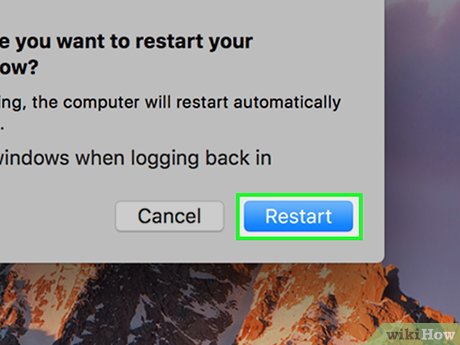 Click on 'Restart' once again when asked to confirm that you want to restart your computer. Your Mac will restart immediately.[1]EXPERT TIP
 Apple Repair Specialist & President, CleverTech Gonzalo Martinez is the President of CleverTech, a tech repair business in San Jose, California founded in 2014. CleverTech LLC specializes in repairing Apple products. CleverTech pursues environmental responsibility by recycling aluminum, display assemblies, and the micro components on motherboards to reuse for future repairs. On average, they save 2 lbs - 3 lbs more electronic waste daily than the average computer repair store.
 Gonzalo Martinez Apple Repair Specialist & President, CleverTech
Restart your Mac weekly to save memory. Restarting a Mac once a week is recommended to free up memory on your computer. You can use Activity Monitor to check how much memory is being used by other applications and decide when is a good time to restart the Mac. This way, you can use all of the memory that is actually on the computer.
Method 2of 6:
Using the Shutdown Window
 Press the 'Control' and 'Eject' keys on your keyboard at the same time.
 Select 'Restart' when asked to make a selection. Your computer will immediately restart itself.
Method 3of 6:
Using Hot Keys
 Press the 'Control,' 'Command,' and 'Eject' keys all at the same time. Your computer will restart instantly without asking you to verify your command.[2]
Method 4of 6:
Using the Terminal Application
 Open the Applications folder from the Dock of your Mac.
 Open 'Utilities.'
 Click on 'Terminal.' The Terminal window will display on-screen.
 Type the following command into Terminal:'shutdown -r now'.
- Alternately, you can type the commands, 'reboot' or 'reboot -q'.
 Press 'Enter' on your keyboard. Your Mac will begin the shutdown process and restart immediately.
Method 5of 6:
Performing a Hard Reset
 Quit any processes that are requiring use of the hard drive. For example, if you are moving files between a flash drive and the hard drive, wait until the files have finished moving.
 Press and hold down the Power button on your Mac until the computer turns off. This process should take between two and three seconds.
 Press the Power button again to restart your Mac.
Method 6of 6:
Restarting Using Remote Access
 Open the System Preferences application from the Dock of your Mac.
 Click on the 'Sharing' icon.
 Place a checkmark next to 'Remote Login.'
 Close the System Preferences window.
 Open an Internet browser and go tohttps://google.com.
 Type 'what is my ip' into the search bar and press 'Enter.' Google will display your IP address at the top of search results.
 Write down or take note of your IP address.
 Go to another computer that is connected to the same network.
 Access the Terminal application, or command prompt if using a Windows computer.
 Type the following command using your IP address into Terminal to log in to your computer remotely:'ssh username@ip_address.'
 Type the word 'reboot' into Terminal and press 'Enter.' Your computer will then restart.
FAQ
What is How to Restart a Mac about?
It provides a structured overview of restart, explains the main context, and highlights practical takeaways for readers.
Why does this topic matter?
Understanding the main concepts helps readers evaluate the issue, avoid common mistakes, and make better-informed decisions.
How should readers use this information?
Use the guidance as a practical starting point, confirm details that may have changed, and follow current product, safety, or security recommendations.
Related Articles
 6 Ways to Restart Your Windows Computer from Simple to 'Pro'6 minutes read
 Ways to Restart a Windows 11 PC4 minutes read
 Etheria Code: Latest Restart and How to Redeem Code6 minutes read
 How to Restart Macbook Pro4 minutes read
 How to Restart (Restart) Chromebook3 minutes read
 How to Restart (Restart) Applications on Windows 11 and Windows 104 minutes read
Reader Comments 0
Sign in with email or Google to join the discussion.