Table of Contents
This updated guide examines Hibernate: How to Remove Hiberfil. Sys from Xp and organizes the essential facts, background, and practical takeaways in clear American English.
Method 1of 2:
Using the Control Panel
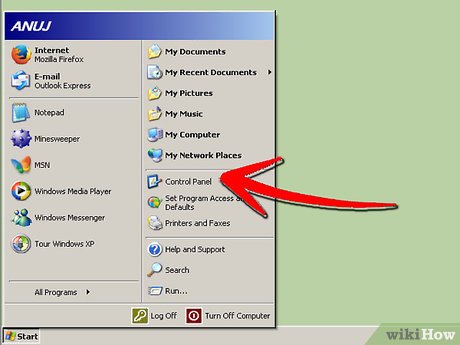 Open the Windows Control Panel
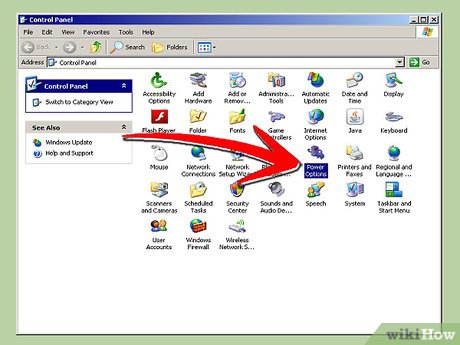 Double-click Power Options
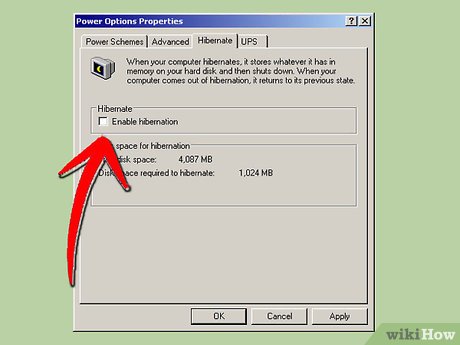 Click the Hibernate tab, de-select the 'Enable hibernate support' check box, and then click Apply.
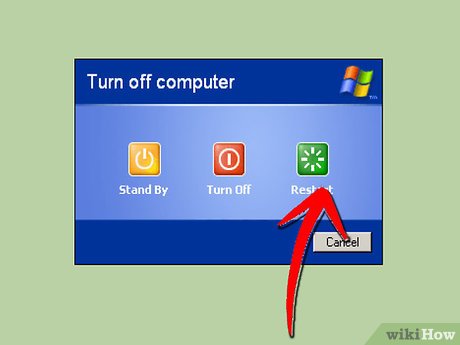 Restart your computer and hiberfil.sys should be automatically deleted (this is not always the case - simply delete it if Windows didn't do it for you).
 If you change your mind in the future and would like to use hibernation, go back to the Hibernate tab as described in the first three steps and check the box 'enable hibernation'.
Method 2of 2:
Using the Command Prompt
 Open a Command Prompt.
 Type the command - powercfg /HIBERNATE OFF
FAQ
What is Hibernate: How to Remove Hiberfil. Sys from Xp about?
It provides a structured overview of hibernate, explains the main context, and highlights practical takeaways for readers.
Why does this topic matter?
Understanding the main concepts helps readers evaluate the issue, avoid common mistakes, and make better-informed decisions.
How should readers use this information?
Use the guidance as a practical starting point, confirm details that may have changed, and follow current product, safety, or security recommendations.
Related Articles
 Completely Remove URL Mal Virus -- Http://107.170.47.18113 minutes read
 How to Completely Remove Coc Coc?3 minutes read
 Use the Cmd Command to Remove Viruses on Windows Computers3 minutes read
 Instructions to Completely Remove Youndoo. Com on All Browsers10 minutes read
 10+ Easy Ways to Remove Logos from PDF Files14 minutes read
 How to Completely Remove Adobe Flash on a Mac3 minutes read
Reader Comments 0
Sign in with email or Google to join the discussion.