Table of Contents
This updated guide examines How to Run Windows Xp System Maintenance with Automated Scripts and organizes the essential facts, background, and practical takeaways in clear American English.
Method 1of 5:
Disk Cleanup First Phase
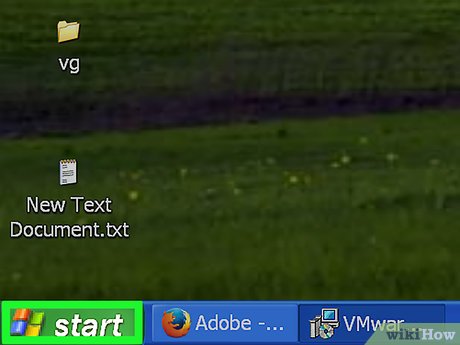 Click on "Start" Menu.
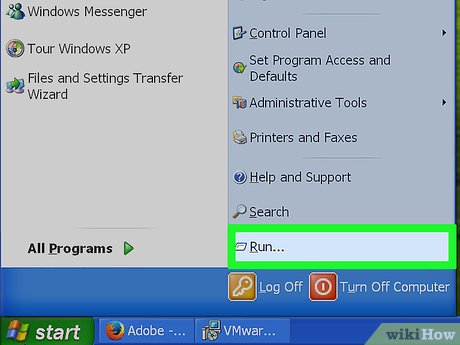 Click on "Run"
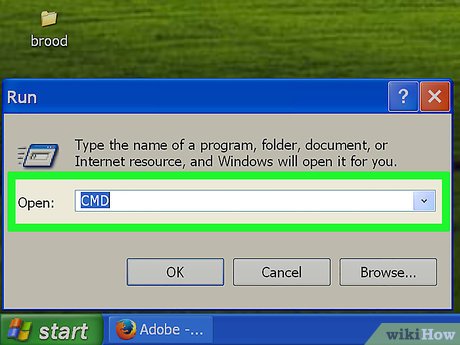 Type "CMD" in the run box; Press Enter. This will bring up the DOS Prompt Window.
 Type "CLEANMGR /sageset: n "; Press Enter. where n is an arbitrary number from 0 through 65535.
 Check the boxes of the files you wish to clean up.
- A window will appear similar to the screen shot] - What you are doing is telling the computer that when you run CLEANMGR with the Registry Entry n , to clean these files.
 Click "OK" when you are finished selecting.
Method 2of 5:
Disk Cleanup Second Phase
 Click on "Start" Menu.
 Click on "All Programs"
 Click on "Accessories"
 Click on "System Tools"
 Click on "Scheduled Tasks"
 Double-Click "Add Scheduled Task" The schedule task wizard will open.
 Click "Next"
 Click "Browse"
 Browse to "C: WINDOWSSystem32" Please note that if you do not have a "C:WINDOWS" look for "C:WINNT" instead.
 Click "cleanmgr.exe"
 Click "Weekly"
 Click "Next"
 Choose Run Time that is convenient for you. Sunday at 2AM is a good setting.
 Enter the Admin User/Password
 Check "Open advanced properties"
 Click "Next"
 From the "Task" Tab update the Run line with the following: "C:WINDOWSsystem32cleanmgr.exe /sagerun: n " using the same n that was set in the Disk Cleanup First Phase Section
 From the "Settings" Tab, under "Power Management" check off the "Wake the Computer"
Method 3of 5:
Disk Check First Phase
Check Disk - Windows bundled tool for checking for errors and repairing them on your hard drive, the next time the computer is rebooted.
 Return the Focus to the DOS Prompt Window, by clicking the Window Border.
 Type "notepad"; Press Enter.
 Type echo y|chkdsk C: /f/r
- echo y|chkdsk for each additional drive letter : /f/r
- shutdown /r
 When finished save the file by Clicking on "File"
 Click "Save As"
 In the "File Name" line type "checkdisk.bat" with the Double-Quotation Marks.
Method 4of 5:
Disk Check Second Phase
 Return the Focus to the "Scheduled Tasks"
 Double-Click "Add Scheduled Task" The schedule task wizard will open. ]
 Click "Next"
 Click "Browse"
 Browse to the location where you save the file "checkdisk.bat"
 Click "Weekly"
 Click "Next"
 Choose Run Time that is convenient for you, Monday at 2AM is a good setting.
 Enter the Admin User/Password
 Check "Open advanced properties"
 Click "Next"
 From the "Settings" Tab, under "Power Management" check off the "Wake the Computer"
Method 5of 5:
Disk Defrag Phase
Disk Defrag - Windows bundled tool that reorganizes files more efficiently. Windows is very sloppy when it comes to handling files. Instead of saving them where they belong on your hard drive Windows sticks them where ever it's most convenient. Over time this will slow your computer down.
 Return the Focus to the "Scheduled Tasks"
 Double-Click "Add Scheduled Task" The schedule task wizard will open.
 Click "Next"
 Click "Browse"
 Browse to "C: WINDOWSSystem32" Please note that if you do not have a "C:WINDOWS" look for "C:WINNT" instead.
 Click "defrag.exe"
 Click "Weekly"
 Click "Next"
 Choose Run Time that is convenient for you, Tuesday at 2AM is a good setting.
 Enter the Admin User/Password
 Check "Open advanced properties"
 Click "Next"
 From the "Task" Tab update the Run line with the following: "C:WINDOWSsystem32defrag.exe C "
 From the "Settings" Tab, under "Power Management" check off the "Wake the Computer"
 Repeat this process for each additional drive letter replacing C for the current drive that you wish to defrag, and add a day to the Schedule.
FAQ
What is How to Run Windows Xp System Maintenance with Automated Scripts about?
It provides a structured overview of click, explains the main context, and highlights practical takeaways for readers.
Why does this topic matter?
Understanding the main concepts helps readers evaluate the issue, avoid common mistakes, and make better-informed decisions.
How should readers use this information?
Use the guidance as a practical starting point, confirm details that may have changed, and follow current product, safety, or security recommendations.
Related Articles
 How to Disable Automatic Maintenance on Windows 103 minutes read
 How to Schedule Automatic Maintenance of Windows 10 System4 minutes read
 5 Mistakes Can Damage Your Window Computer8 minutes read
 Testing of System Maintenance5 minutes read
 10 Milestones of Regular Maintenance Help Cars Always in the4 minutes read
 How to Enable / Disable Security and Maintenance4 minutes read
Reader Comments 0
Sign in with email or Google to join the discussion.