Table of Contents
This practical guide explains how to generate a Windows system performance report. Follow the steps in order, review the requirements first, and use the troubleshooting notes when a setting or option does not work as expected.
How to creating a Windows system performance report
Step 1:
You type performance monitor in search and then select the tool to use.

Step 2:
In the tool interface, expand Data Collector Sets > System .

Next right-select System Diagnostics and select Start .

Step 3:
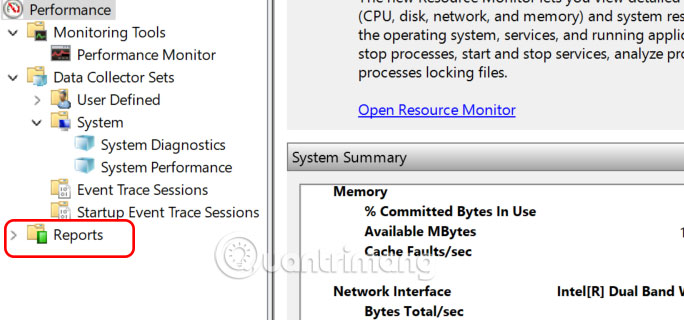
The tool will collect data for about 60 seconds. To view the generated report, on the left side, click Reports to expand the menu.
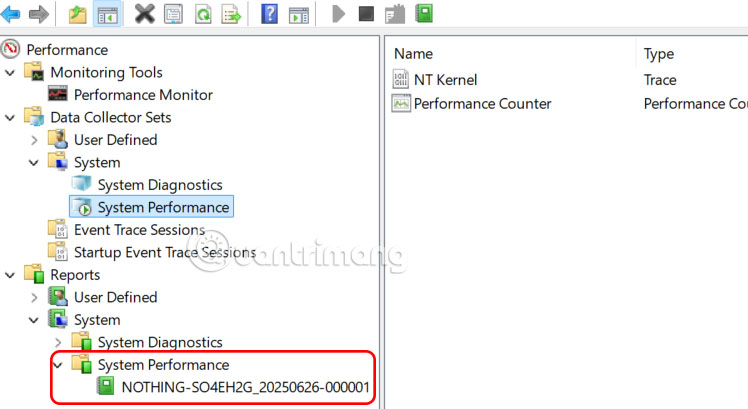
Next we expand System > System Performance and select the final report to view the contents.
Step 4:
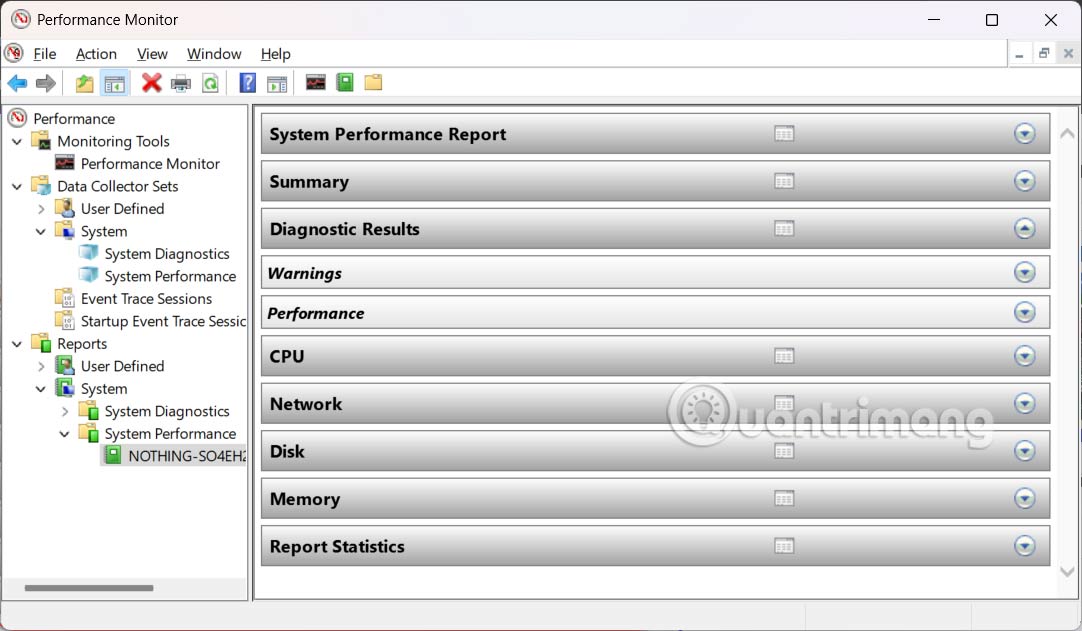
The generated system performance report provides detailed information about your Windows 11 PC including the following information:
- CPU Usage
- Memory usage
- Disk Activity
- Network activity
- Drivers and Services
- Process and application
Step 5:
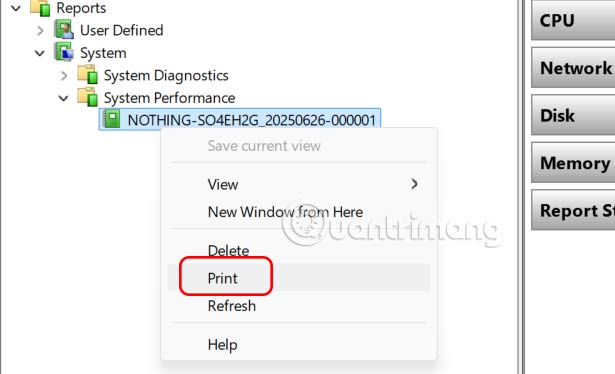
To share your performance report with others, you can export it as a PDF or print it for later analysis. Simply right-select the generated report and select the Print option .
FAQ
How to creating a Windows system performance report?
You type performance monitor in search and then select the tool to use.
What does this guide cover?
This guide explains generate a Windows system performance report, including the main steps, important details, and practical considerations.
Who is this guide for?
It is designed for readers who want a clear, practical overview and a reliable process they can follow without unnecessary complexity.
Related Articles
 How to Generate a System Performance Report in Windows 103 minutes read
 What Is System Report in Windows? Complete Guide6 minutes read
 Clean up and Optimize Windows with System Ninja5 minutes read
 Tab: How to Check System Performance in Windows 83 minutes read
 How to Enable Performance Optimization in Windows 107 minutes read
 How to Enable Ultimate Performance to Optimize Performance on11 minutes read
Reader Comments 0
Sign in with email or Google to join the discussion.