Table of Contents
This practical guide walks through how to fix the Issue of Computer Losing Sound, Laptop Has No. It organizes the required steps, settings, and checks so you can complete the task with fewer mistakes.
This method will help you: - Know how to use Windows Troubleshoot - Fix computer no sound errors effectively
Several errors that computer users will encounter. Computer Or laptop loss of sound errors are often due to objective reasons such as software conflicts, driver failure, or subjective reasons such as forgetting to turn on the speaker or turn on the computer. volume. Before going into fixing the issue of the computer losing sound, you should put the Volume (Sound) icon out of the Taskbar to easily handle this problem of losing sound on the computer. Returning to today's main content, to fix the computer sound loss error, please review the following methods:
Instructions on How to Fix Common Errors on Laptops and Computers That Lose Sound or Have No Sound
Article Table of Contents: 1. Check the volume bar on Windows. 2. Check the external speaker. 3. Restart the device. 4. Update drivers for your computer. 5. Some other solutions. 6. Replacement and repair.
Check the Volume Bar on Windows
This is a pretty basic error because many people don't pay attention so they don't know how to handle the loss of sound, especially for computers that lose sound on Win 10 because many people are not used to it. select the speaker icon in the Taskbar, and check to see if the volume is at the lowest level or in Mute mode. If so, select the speaker icon to turn the speaker back on or drag to increase the level. volume up. Then try opening any music file to test.
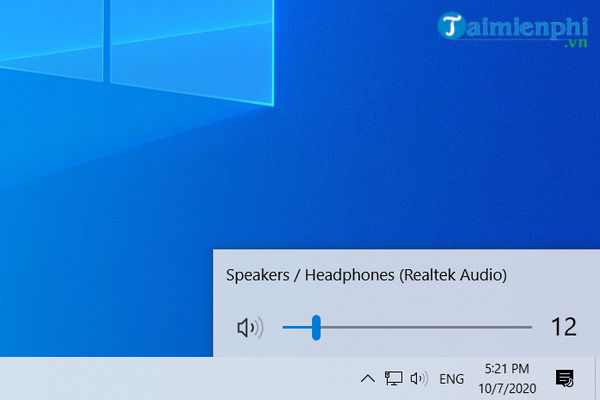
Check Volume.
If you still can't solve it, right-select the speaker icon again, select Open Volume Mixer . Then check to see if there is any item set to Mute Mode? If so, select the speaker icon to turn it back on or drag to increase the volume.
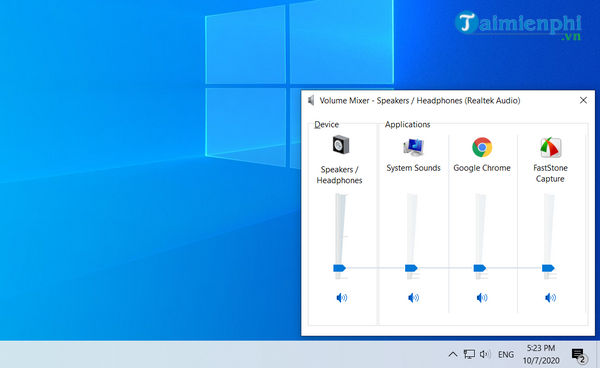
Activate the speaker to fix the computer's sound loss error.
If you do both of the above steps and your speaker still doesn't see any movement, try plugging in your headphones. If you can still hear the sound, please do the steps below.
(This Method Applies to Windows 7)
Right select the speaker icon on the Taskbar, select Playback devices .
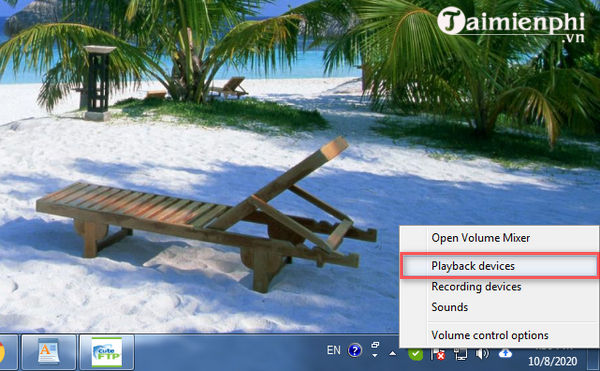
Activate Playback devices to fix computer no sound error.
Check to see if the speaker icon has a blue check mark? If so, right-select, select Properties, Then in the Device Usage Section select Use this device (Enable).
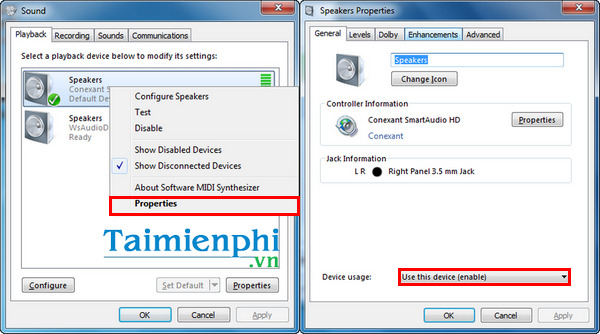
Customize Sound in Properties to fix computer sound loss error.
1. Check If the Computer Has Recognized the Speaker or Not
- For devices connected by Bluetooth, you need to check whether the computer is turned on and connected to the speaker device. If not, you can access Bluetooth on your computer to connect.
- For corded devices, make sure the cord is plugged into the correct position and the power source is stable.
2. the Computer Lost Sound Because the Speaker Volume Was Set to the Lowest Level
Sometimes these silly reasons still happen to us, make sure your speaker is plugged in and turned on carefully. Besides, you should check the Volume button, maybe someone has turned the volume down to the lowest level, especially if you have small children in the house.
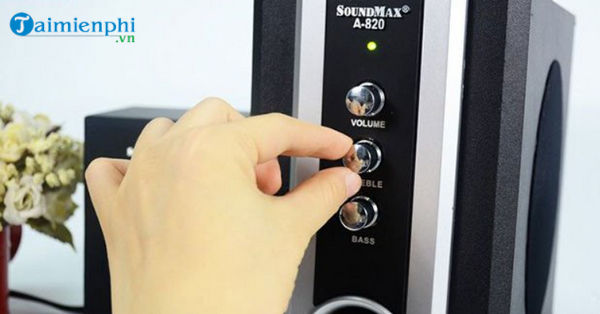
Check the settings on the Speaker.
At the same time, you should also check the 2-prong jacks connecting the computer and speakers. It's possible that the headphone jack's contact pins are not good, causing the audio signal to not transmit, or dirt is hindering the speaker's operation.
- Unplug the headphone jack and speaker from the Audio hole on the computer, wipe clean with a soft cloth. - Reinsert the jack into the Audio hole, then check to see if the sound is working properly again.
3. Replace New Speakers
However, if the speaker is too old or has a previous problem, you should consider replacing a new speaker to ensure better sound output on the computer.
Restart the Computer
1. Restart the Computer
Fixing the issue of a computer losing sound by restarting the computer seems very simple but brings unexpected results because sometimes the cause of the computer losing sound comes from your operating system itself. If Windows runs for a long time or crashes due to unexpected software conflicts, causing the computer to operate unstable. Therefore, restarting the computer is the simplest method to help bring your computer back to a stable state and is also the most widely used way to fix the issue of no sound on computers and laptops.

Restart the computer to fix the computer losing sound error.
2. Restart Services Audio
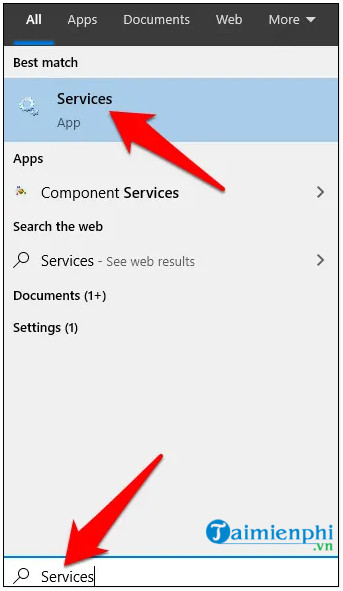
Enter Services in the Search box, on the search results list, select to open the Services window.
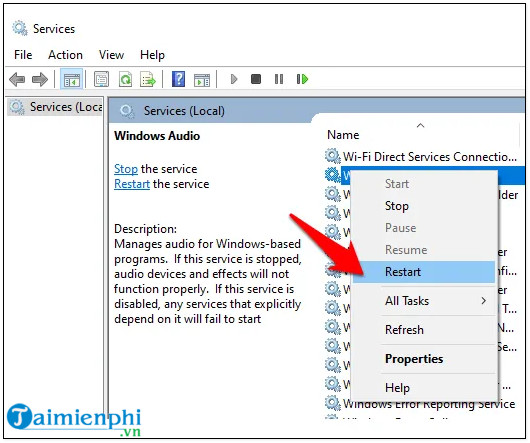
Here find and right-select the services: Windows Audio, Windows Audio Endpoint Builder and Remote Procedure Call (RPC), select Restart.
Update Drivers for Your Computer
Windows Troubleshoot is a feature that is used a lot not only for fixing computer errors that lose sound but also many other errors. This is a very useful tool that you should try. Step 1: Right select the sound icon > select Troubleshoot sound problems .
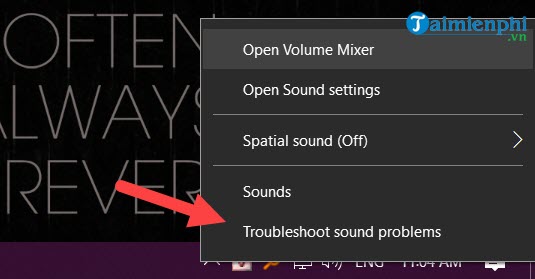
Step 2: In here, let Windows automatically detect the problem for you and select a result you are having with your computer, such as selecting Speaker .
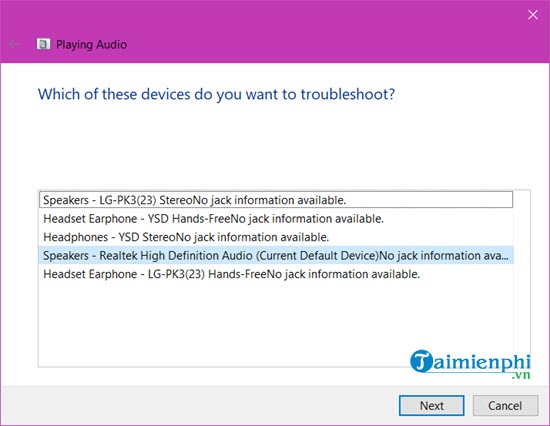
Step 3: Next, the system asks if you want to Turn off Sound Effect . If you have never entered this level, it is best to choose no because you do not need to set up this item.
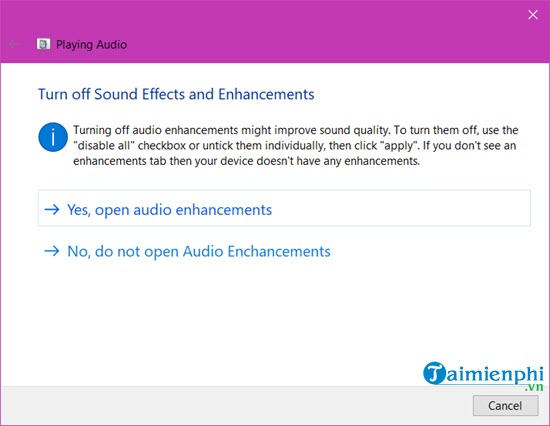
Step 4: Here the system will ask you to test the sound again, just follow it to see if you can hear anything.
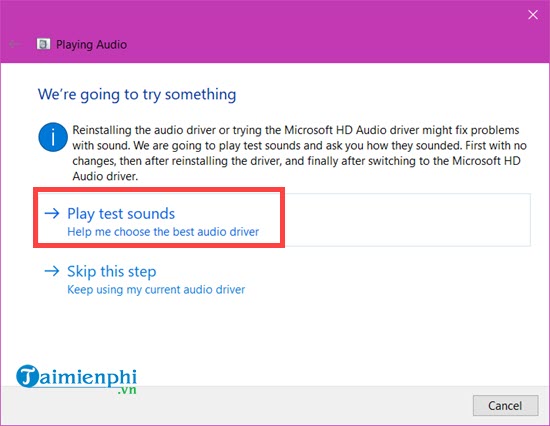
Step 5: If you still can't hear anything, select I didn't hear anything And we will continue to fix the issue.
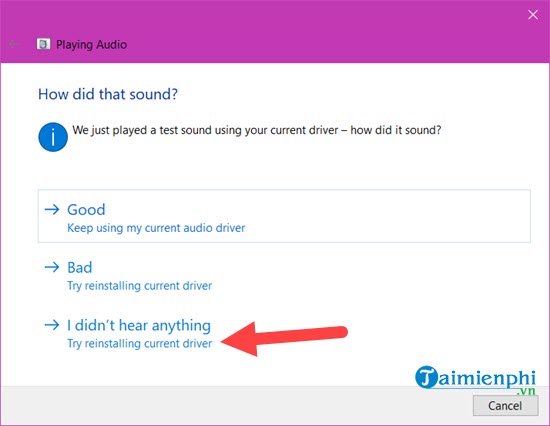
Step 6: After the system automatically restarts the sound-related process and requires you to Restart the computer To complete the process.
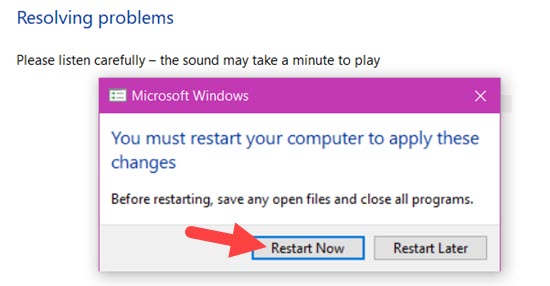
Step 7: After restarting the computer, you will see a message like this, which means the fix for the computer no sound error has been completed.
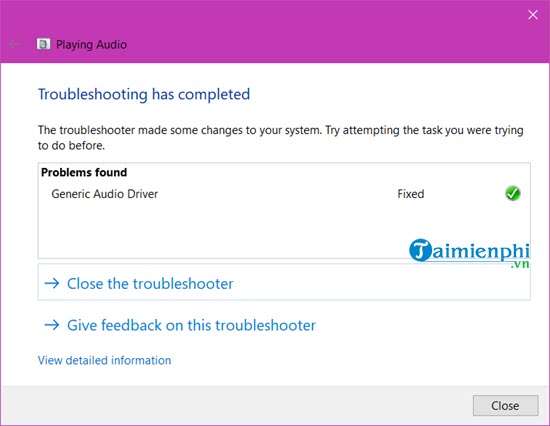
2. Check the Driver Settings Again
If you have tried everything but the sound loss error does not disappear, the possibility that your sound driver is defective is quite high. You need to follow these steps to check and reinstall the sound driver.
First, you need to remove the faulty sound driver. Right-select My Computer And select Manage .
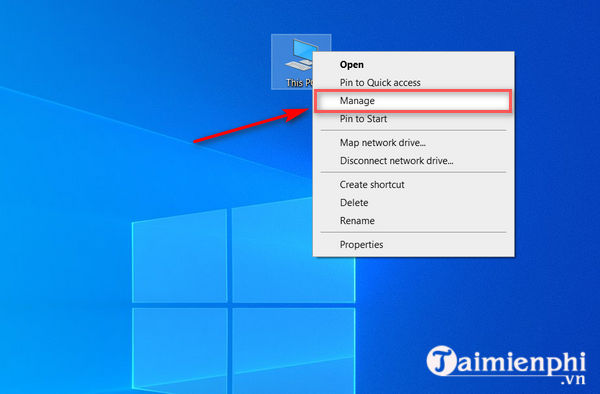
Open computer manager.
The Computer Management Manager appears, select Device Manager > Sound, video and game controller . Select all Sound Drivers here, right-select and select Uninstall.
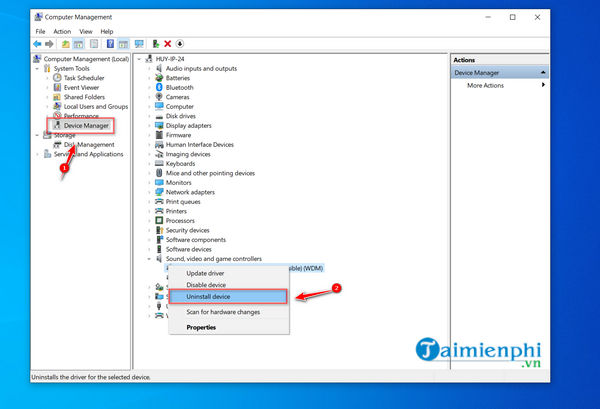
Uninstall the sound driver and reinstall it to fix the issue of losing sound on your computer.
After removing all Sound Drivers, restart the computer and reinstall the Driver. If your computer has Windows 10 installed, the system will automatically detect the missing driver and install it. If not, you can use driver search software such as Driver Easy or Driver Booster. You can also see how to update Drivers for Windows 10 to follow.
3. Update to a Newer Version of Windows
If the above methods are not available, try updating to a newer version of Windows and check if the computer or laptop has sound or not.
Select Start => Settings => Update & Security => Windows Update => Check for Updates . Check for and install newly available updates.
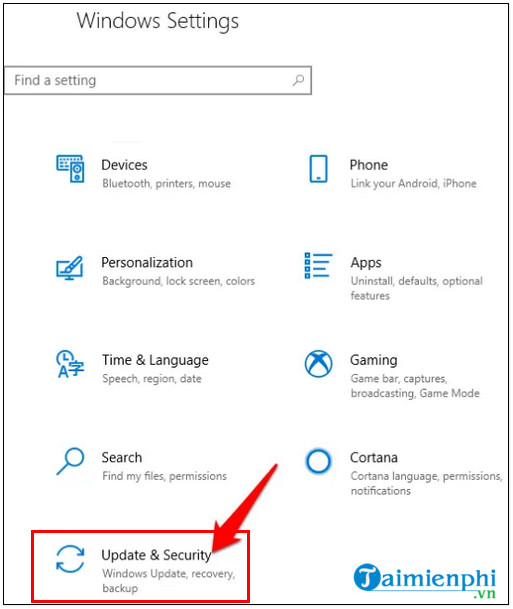
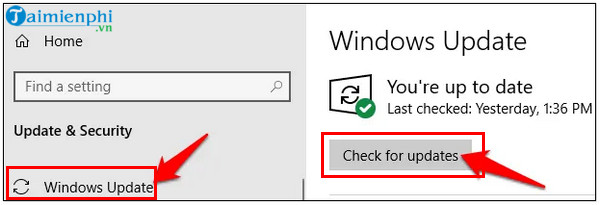
Finally, restart the computer and check if the sound error persists or not.
4. Downgrade the Audio Driver
To downgrade the sound driver, first right-select the Start button => Device Manager => Sound, video and game controllers. Next find and right-select the sound device or sound card you are using, select Properties.
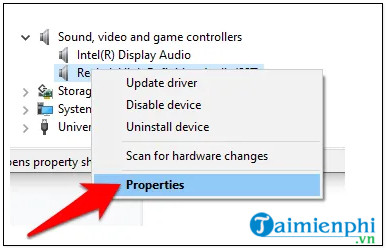
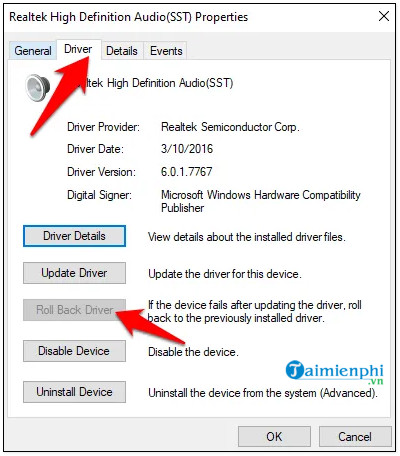
Select the Driver tab and select Roll back driver. Follow the on-screen instructions and select Yes to downgrade the audio driver.
Some Other Solutions
1. Reinstall the Operating System
If using the above methods still does not bring positive results, you can try reinstalling Windows or Ghost again on the computer to check one last time to see if the computer or laptop is losing sound due to hardware or operating system errors. Sometimes the computer has a virus or a serious software conflict that can cause system file corruption and loss of sound on the computer.
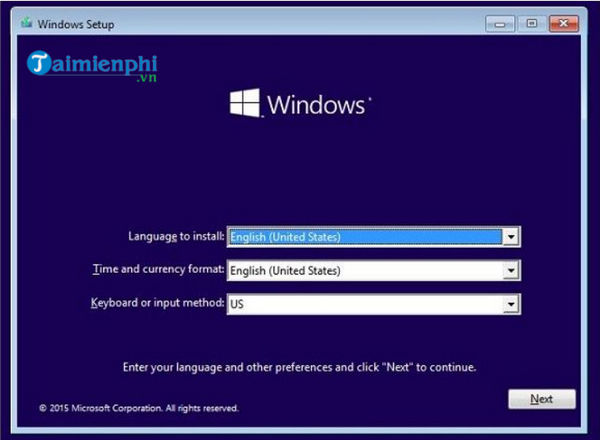
Reinstall Windows to fix computer sound errors
First, to reinstall the new Windows operating system, you must have a Windows installer.
2. Try Using Headphones
If if the computer or laptop speakers are not working properly and there is no sound, try plugging in headphones to the device and check to see if there is sound or not. If so, it is most likely due to a problem with the built-in speaker on the device.
3. Change Audio Device
If you are connecting a USB audio device or are connecting to an HDMI display that does not have speakers, Windows may incorrectly redirect the audio to the output device, causing the user to mistakenly think it is a computer or laptop speaker. faulty.
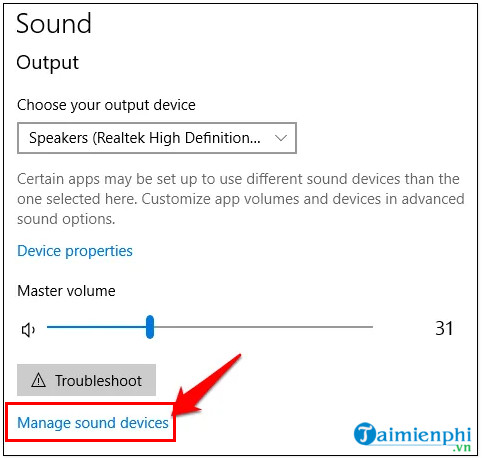
To fix this problem, first find and right-select the speaker icon on the Taskbar, select Open Sound Settings and access Audio preferences. In the Output section, select Manage Sound Devices.
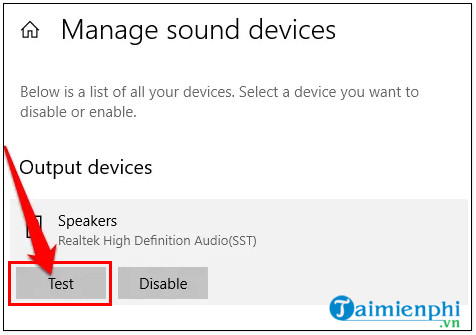
Next select Output device and select the Test button, then test each audio device to see if there is sound or not.
4. Run Audio Troubleshooter
Windows Audio Troubleshooter is designed to automatically fix audio problems on laptops and computers. To run Audio Troubleshooter and fix errors on computers and laptops that lose sound, follow the steps below:
First select Start => Settings => System => Sound => select Troubleshoot.
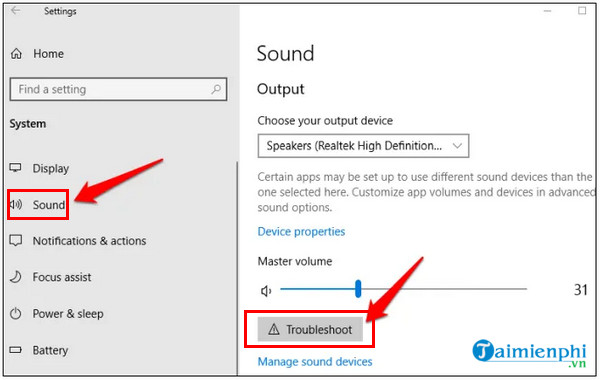
Or another way is to enter the keyword audio troubleshooter into the Search box on the Taskbar. On the search results list, select Fix and find problems with playing sound and then choose Next.
Select the device you want to troubleshoot and follow the onscreen instructions.
5. Use System Restore
If the computer fails and the sound is still there, try restoring the computer to its previous state and see if the issue persists.
Open Control Panel and enter the Recovery keyword in the Search box.
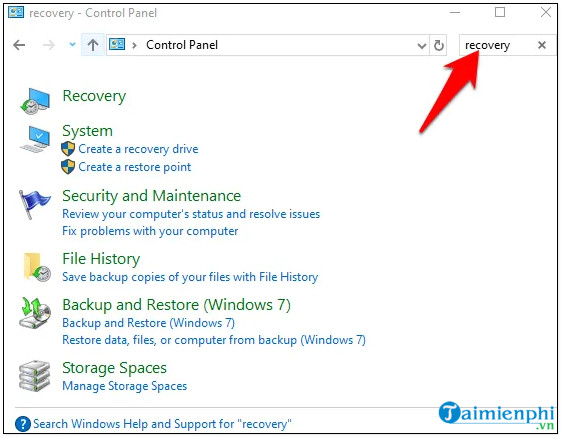
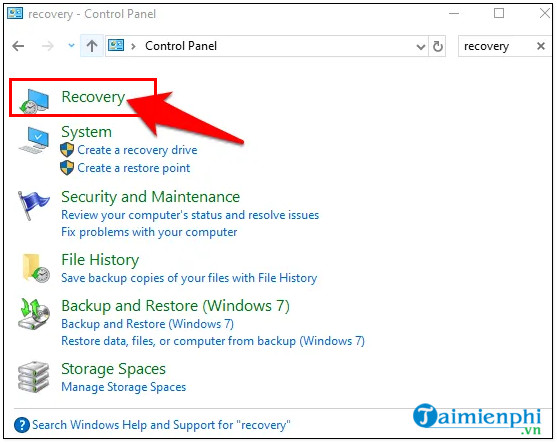
On the search results list, select Recovery => Open System Restore.
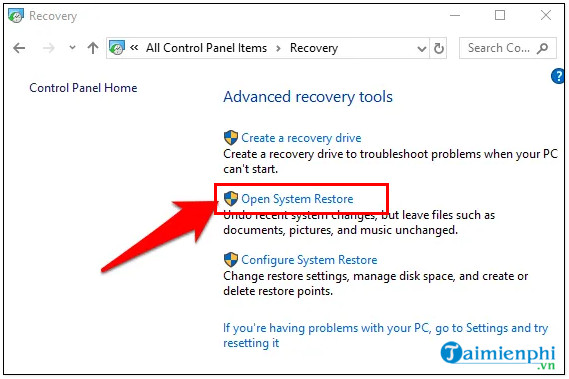
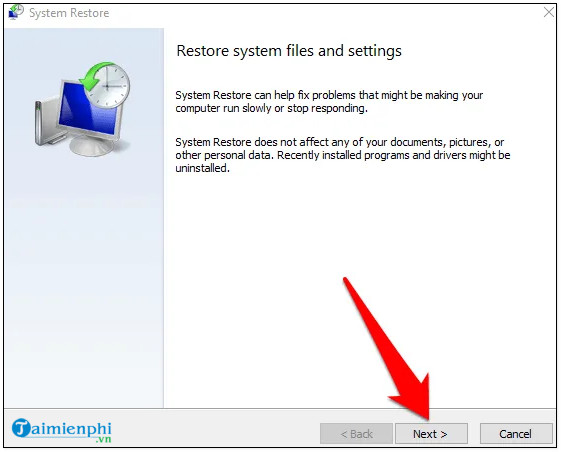
Next on the Restore system files and settings window, select Next.
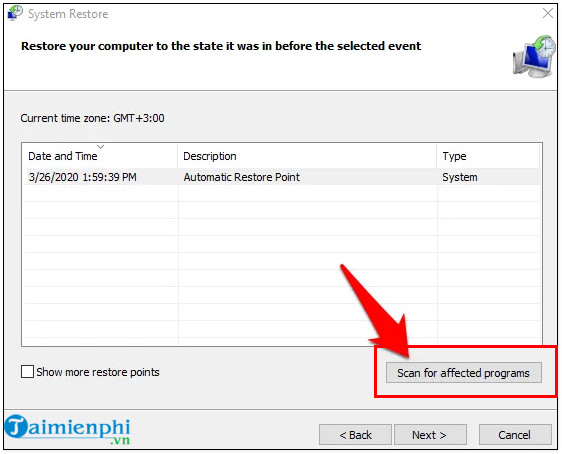
Select the restore point you want to use, then choose Scan for affected programs and check if the sound driver is affected.
6. Set the Audio Device as Default
If you're using USB or HDMI to connect an audio device, you can select that device as your default audio device.
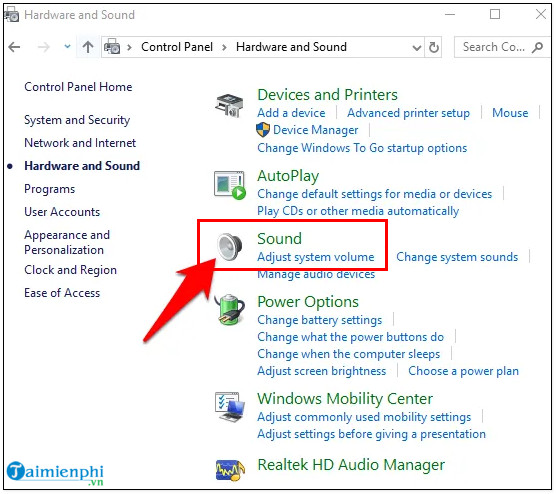
Access Control Panel => Hardware and Sound => Sound.
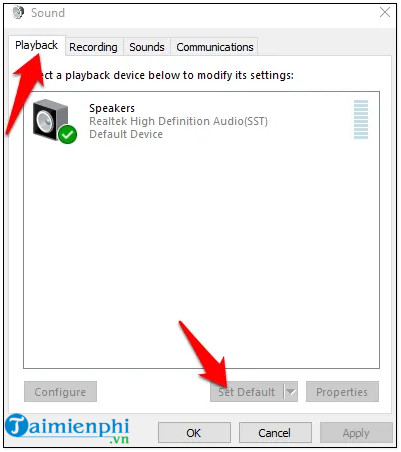
Select the Playback tab, right-select your audio device, select Set as Default device => OK.
7. Try Other Audio Formats
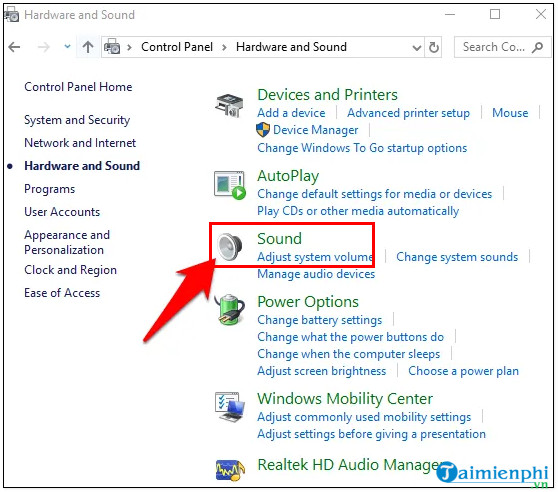
Open Control Panel => Hardware and Sound => Sound.
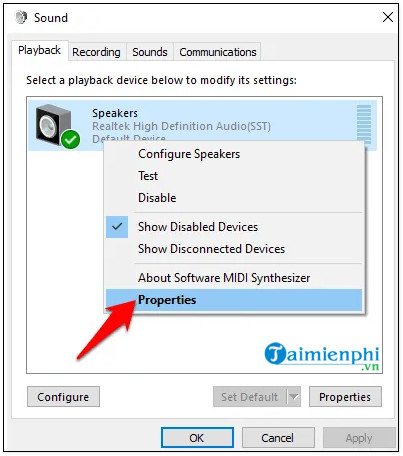
Next select the Playback tab => right select Default Device => Properties.
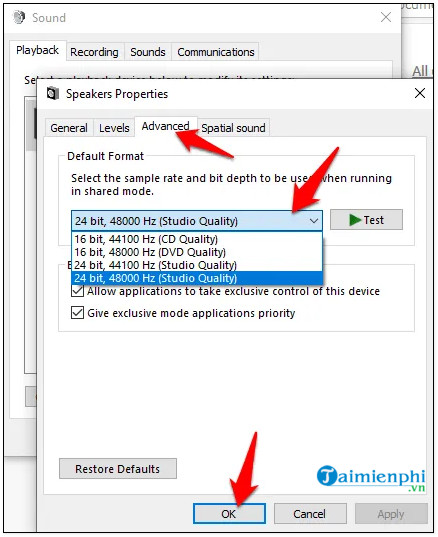
In the Advanced tab, find and select Default Format and change the settings, then choose OK.
8. Disable Audio Enhancements
In some cases Audio Enhancements can also be the culprit causing sound problems on laptops and computers. By turning off, disabling Audio Enhancements also helps fix these problems.
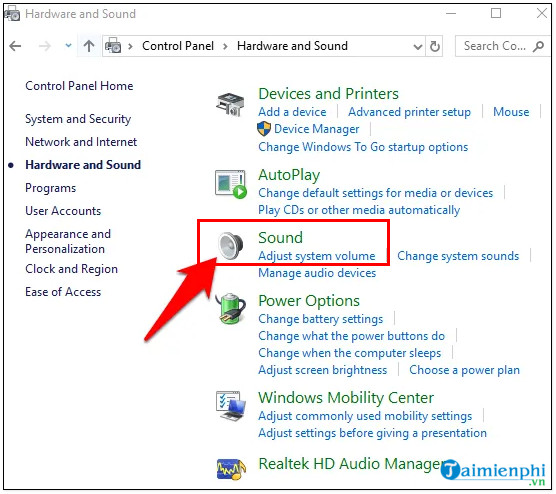
First open Control Panel => Hardware and Sound => Sound.

Select the Playback tab, right-select your default device, select Properties.
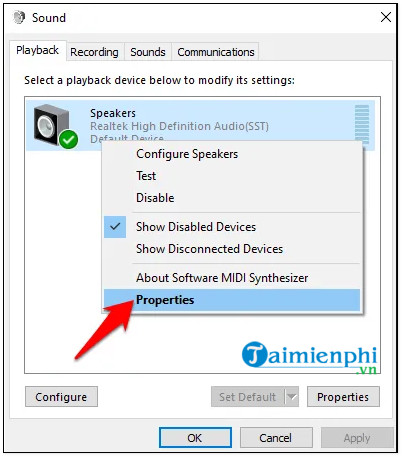
Next select the Enhancements tab. Here find and select the Disable all enhancements or Disable all sound effects option.
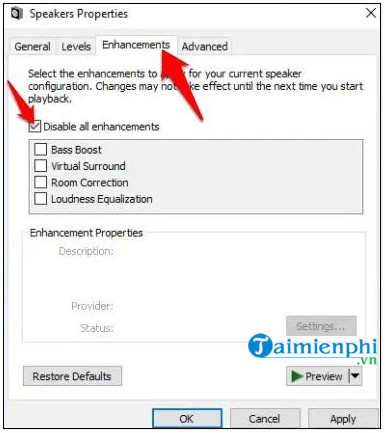
Finally choose OK and check whether the laptop or computer has sound or not.
9. Update BIOS
Although it rarely happens, in some cases, software updates, incompatible hardware, etc. can also cause problems that cause the computer to lose sound. In this case the only solution to fix the issue is to update the BIOS.
On different computer and laptop models, the way to enter and access the BIOS will be different. Readers can review details from the official provider.
Here, check whether the sound card is enabled or not, and check if the laptop is using the current BIOS version. If not, update to the current BIOS version and see if the issue persists.
Replacement and Repair
1. Use a USB Sound Device
The case of your computer having a hardware error is no exception as electronic devices are very taboo in our country's tropical climate. popular and humid environments can easily affect your computer motherboards, then you can bring your computer to reputable repair centers for repairs.
In addition, to limit costs, you can use a USB Sound device, which at a fairly cheap cost will completely fix the common computer sound loss error today.
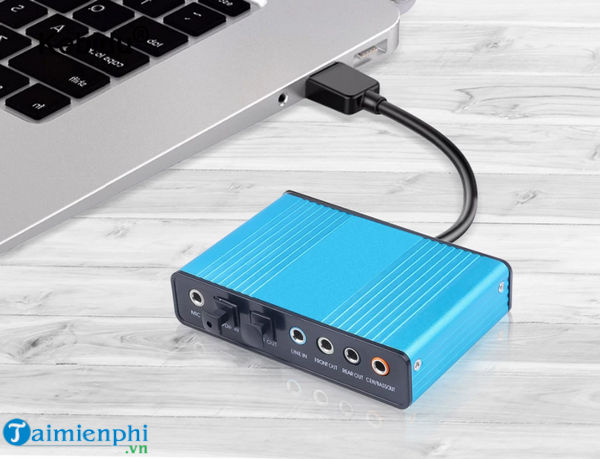
Replacing USB Sound will completely fix the problem of laptop losing sound.
2. Open a Repair Shop to Replace Parts
The final way to fix the issue of the computer having no sound on Windows 10, 8, 7 is to replace components on the computer. This is the final cause and the fix that few people want for their computer.
So above, TipsMake has compiled and provided ways to fix common laptop and computer sound loss errors today. In addition, with the trick to fix the computer sound loss error introduced above, those who like to listen to music or watch movies and need standard and clear sound can increase the speaker volume by downloading many different software. Helps increase the volume of computer and laptop speakers. From now on DFX Audio Enhancer will help you manage not only support increasing speaker volume, but it also has other functions such as playing music in 3D mode, Bass.
As stated above, Several reasons why laptops and computers have no sound, However, to explain the question of Why the computer has no sound , you need to base it on the device itself and the problem. your way of checking.
TipsMake. vn also provides separate instructions for fixing sound loss errors in Windows 11, which you can use and fix the issue.
Nowadays, Several cases where computers and laptops have sound, but when you plug in headphones, the sound is noisy, noisy, and the sound is not clear. Fixing the problem of headphones being noisy when listening to music is quite difficult. Simple, except If the headset is broken, you have many ways to resolve the issue.
FAQ
What do I need before I fix the Issue of Computer Losing Sound, Laptop Has No?
Prepare the required device, software, account access, and any files mentioned in the steps. Back up important data before changing system settings.
Why does the process look different on my device?
Menus and options can vary by operating system, app version, device model, or region. Use the closest matching setting and check the official documentation when needed.
What should I do if a step does not work?
Restart the app or device, confirm permissions and connectivity, update the software, and repeat the step carefully. Avoid unofficial downloads or tools.
Related Articles
 Laptop Has No Sound: Easy Ways to Fix It at Home8 minutes read
 How to Fix Laptop with No Sound, Laptop with No Sound: Complete Guide10 minutes read
![[BUG FIXED] Laptop Without Headphones Loses Sound on Windows Explained](/data6/thumbs_200x120/[bug-fixed]-laptop-without-headphones-loses-sound-on-windows_thumbs_200x120_do6P5nxjY.jpg) [BUG FIXED] Laptop Without Headphones Loses Sound on Windows Explained7 minutes read
[BUG FIXED] Laptop Without Headphones Loses Sound on Windows Explained7 minutes read 5 Ways to Fix Computer Sound Loss Problem Win 105 minutes read
 How to Fix 8 Steps to Fix Sound Loss Problem in Windows15 minutes read
 20 Ways to Fix Computer Sound Loss Error on Windows 1012 minutes read
Reader Comments 0
Sign in with email or Google to join the discussion.