Table of Contents
Windows 11 has a system-wide option called Beta: Use Unicode UTF-8 for worldwide language support. It changes the code page used by certain legacy applications. It is separate from Windows display language and is not a universal fix for unreadable text.
Enable it only when the application’s requirements or a specific compatibility test calls for it. Some older programs expect a regional code page and can display text incorrectly when this option is enabled.
Open the system locale dialog
- Save your work.
- Open Settings > Time & language > Language & region.
- Choose Administrative language settings in the related settings area.
- In the Region dialog, open the Administrative tab and select Change system locale.
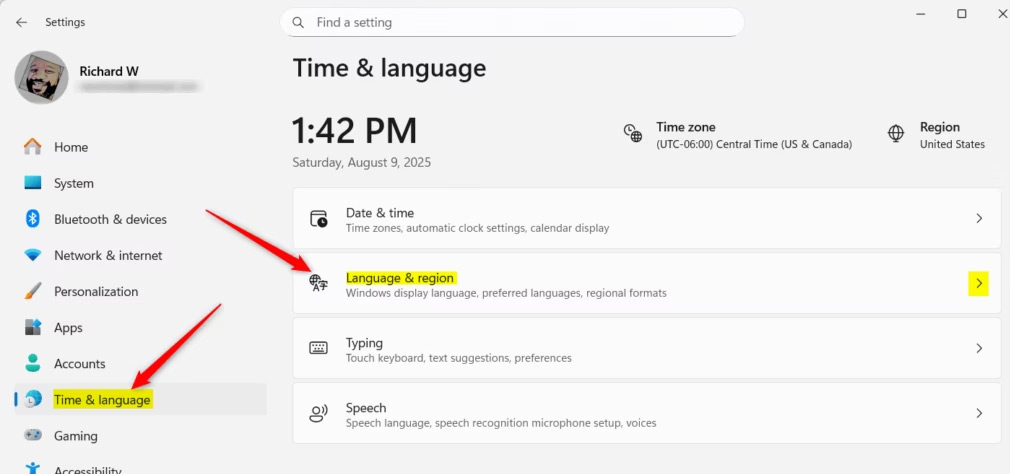
You can also press Windows + R, run intl.cpl, and open the Administrative tab. The Windows display-language dropdown is not the UTF-8 control.
Enable the UTF-8 beta option
Record the current locale and checkbox state. Select Beta: Use Unicode UTF-8 for worldwide language support, confirm the dialogs, and restart when prompted. Administrator permission may be required.
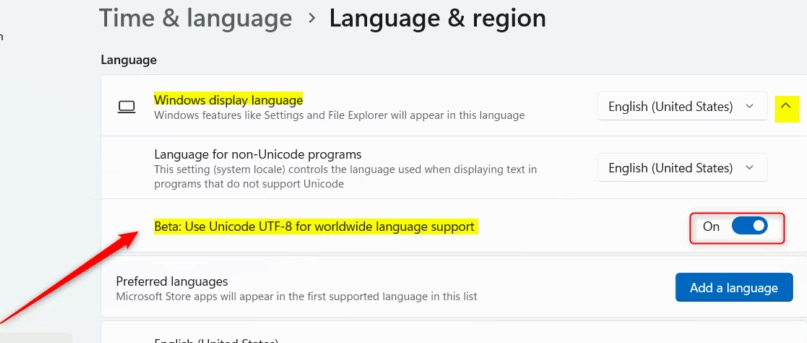
After restarting, test the application that needed the change and another older app you rely on. Use copies of important files while checking imports, exports and saved text.
Undo the change if compatibility gets worse
Return to the same dialog, clear the UTF-8 checkbox and restart again. Keep the original regional locale unless you have a separate reason to change it.
A fixed set of registry numbers is not a safe universal rollback: default ANSI and OEM code pages depend on locale. Prefer the supported dialog instead of editing ACP, MACCP and OEMCP values manually.

The registry screenshot shows settings associated with code pages; it is not a recommended shortcut for routine troubleshooting.
If text is still unreadable
Identify where the problem occurs. One wrongly opened text file may need the correct file encoding; a legacy program may need the system locale its publisher specifies; missing glyphs can involve font support. Changing display language or enabling UTF-8 does not reconstruct text already saved with the wrong characters.
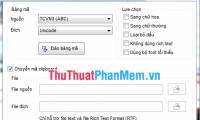
Keep the original file and avoid saving over it while testing. For a file-specific example, see text encoding in Notepad. If the problem is Vietnamese input rather than existing text, check UniKey’s input and encoding settings instead.


Reader Comments 0
Sign in with email or Google to join the discussion.