Table of Contents
This updated guide examines How to Create an Effective Powerpoint and organizes the essential facts, background, and practical takeaways in clear American English.
Part 1
Choosing the topic
 Find a topic that you can talk about with some knowledge. Choose an interesting angle for your talk.
 Create a basic outline on a sheet of paper.
Part 2
Preparing the PowerPoint slides
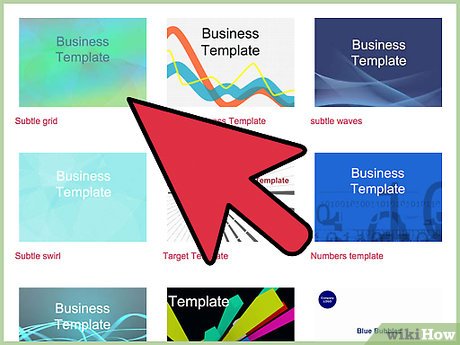 Apply a template (one that is not hard on the eyes, and looks organized and professional).
 Summarize the main purpose or idea of your PowerPoint in your title slide.
Part 3
Making the presentation effective
 Use the appropriate size for the text. Choose text that is large and clear to see. Make sure that it is visible from the back of the room you'll be presenting in. It should be clear, easy to read and not blending into the background used.
 Instead of citing your sources all on one slide, cite the sources you referenced as you present them throughout the PowerPoint presentation.
- The references can even be placed below the slide, making them easily findable should you send the slides to people by email.
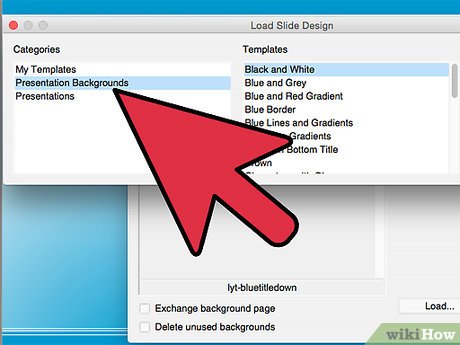 Try not to use pictures as a background. They make it hard to read the text.
- If you feel you must use a picture as a background, use a transparency behind your text so it is easy to read, and have your text and your transparency contrasting colors. To do this, right click the text box, click on format placeholder, and change the fill to a color and make it transparent. (Around 70-80% transparency works well)
- On the other hand, pictures in the background catch the reader's attention and makes your presentation look professional. However, make sure that the words contrast with the background. Also, find large pictures that aren't blurry. Try searching up vector.
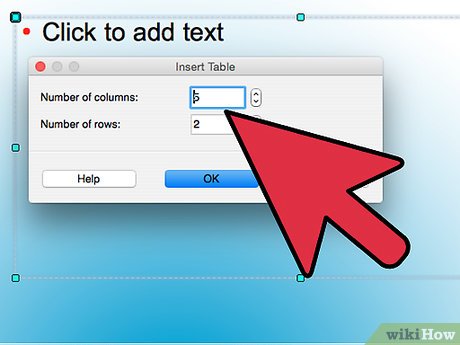 Use graphs and tables to show your information often, but not too often.
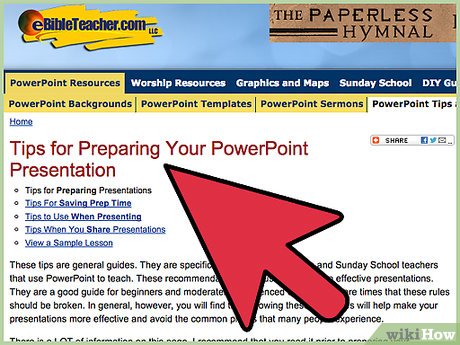 Use short sentences and phrases, keep your text short. Remember the 5 by 5 rule. Five bullets with less than 5 words each. Please, no long paragraphs or slide long quotes!
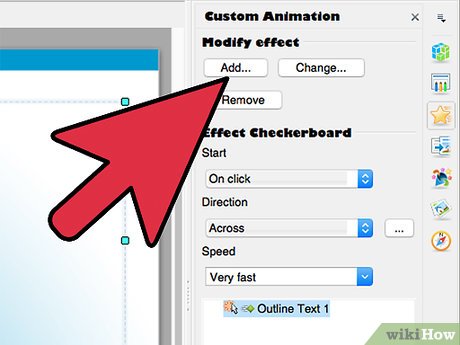 Only use animations for emphasis. Don't over-exaggerate your animations, slide-ins work really well for bullets.
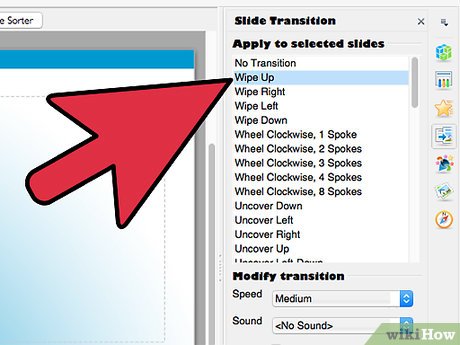 If you use slide transitions, stick to only one. Don't try to mix it up because then it will look sloppy. Note: just because you should stick to one slide transition does not mean that you should only stick to one animation.
Part 4
Finalizing the PowerPoint slides
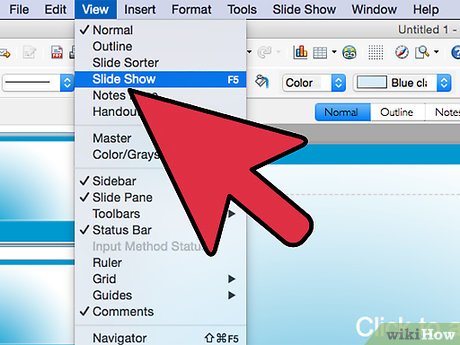 Look over the presentation at least five times. Look for mistakes and do touch-ups. Best of all, read it through as if you were giving the presentation and see how it all pulls together.
FAQ
What is How to Create an Effective Powerpoint about?
It provides a structured overview of use, explains the main context, and highlights practical takeaways for readers.
Why does this topic matter?
Understanding the main concepts helps readers evaluate the issue, avoid common mistakes, and make better-informed decisions.
How should readers use this information?
Use the guidance as a practical starting point, confirm details that may have changed, and follow current product, safety, or security recommendations.
Related Articles
 How to Create Flash Cards in Powerpoint5 minutes read
 PowerPoint 2019 (Part 12): Lists: Explained6 minutes read
 How to Create Bottom-up Scrolling in Powerpoint?2 minutes read
 PowerPoint 2019 (Part 1): Getting Started with PowerPoint: Explained7 minutes read
 How to Create a Powerpoint File Password4 minutes read
 4 Effective PowerPoint Slide Templates for Meetings8 minutes read
Reader Comments 0
Sign in with email or Google to join the discussion.