Table of Contents
This updated guide examines Click: How to Alter Startup Programs in Windows Xp and organizes the essential facts, background, and practical takeaways in clear American English.
Method 1of 3:
MSConfig
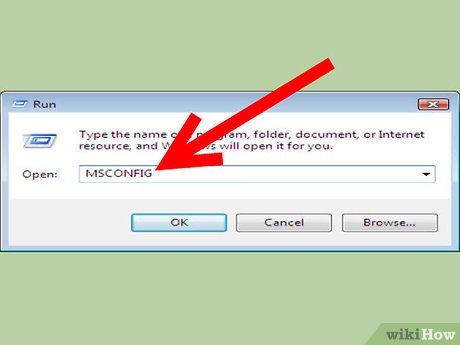 Open Microsoft's System Configuration Utility (called MSConfig). Go to START -> Run, and enter msconfig . Hit enter to start the program. The following window should appear.
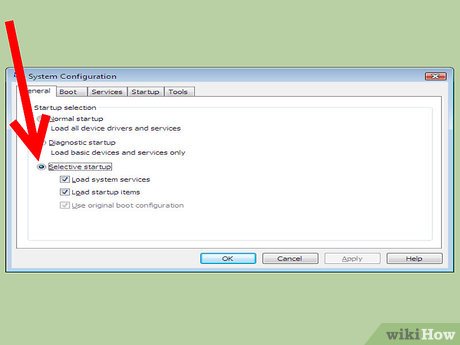
- Choose Selective Startup .
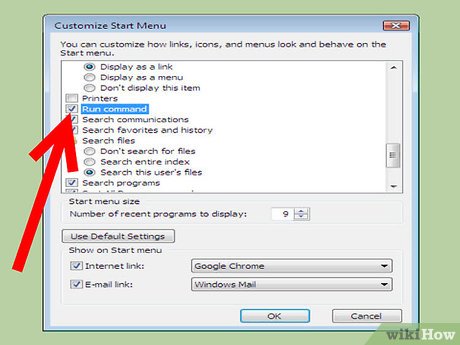
- If Run is not found in the Start Menu, to add the "Run command" : Right click Start -> Properties -> select tab "Start Menu" -> Customize -> Customize Start Menu -> check the Run box -> Apply -> OK.
- Choose Selective Startup .
 Click on the 'Startup' tab. Here, you will see a list of programs that is similar to the one below:
 Uncheck any programs that you do not want Windows to run at startup.
 Click 'OK'. A new window will appear, asking you to restart your computer.
 Click 'Restart. '
Method 2of 3:
Windows Defender
 Download Windows Defender from Microsoft.
 Click on the Start menu. Click All Programs and then select Windows Defender.
 Choose Tools and the Software Explorer.
 Click the names of the programs in the Name column that you want to disable. When you are finished, click Disable.
Method 3of 3:
Registry Editor
 Open the Start menu and click Run. Type regedit into the field.
- Locate 1 of the following registry keys:
- HKEY_LOCAL_MACHINESOFTWAREMicrosoftWindowsCurrentVersionRun

- HKEY_LOCAL_MACHINESOFTWAREMicrosoftWindowsCurrentVersionRunOnce

- HKEY_LOCAL_MACHINESOFTWAREMicrosoftWindowsCurrentVersionRun
 Find the program that you want to remove from the startup sequence. Delete that one program from either or both of those registry keys.
- Caution: Do not delete other items in regedit that you see. Many may be unknown, peculiarly named system files. You could easily disable program associations, needed services, make the system fail or to be unstable.
FAQ
What is Click: How to Alter Startup Programs in Windows Xp about?
It provides a structured overview of click, explains the main context, and highlights practical takeaways for readers.
Why does this topic matter?
Understanding the main concepts helps readers evaluate the issue, avoid common mistakes, and make better-informed decisions.
How should readers use this information?
Use the guidance as a practical starting point, confirm details that may have changed, and follow current product, safety, or security recommendations.
Related Articles
 How to Manage Startup Programs with Windows?7 minutes read
 How to Control Windows 8 Startup Programs5 minutes read
 How to Change Startup Programs in Windows 77 minutes read
 How to Optimize Windows Startup7 minutes read
 Steps to Fix Startup Program Error Not Starting with Windows6 minutes read
 Prefetch: How to Make Windows Xp Startup Faster4 minutes read
Reader Comments 0
Sign in with email or Google to join the discussion.