Table of Contents
This updated guide examines How to Allocate a Drive Letter and organizes the essential facts, background, and practical takeaways in clear American English.
Method 1
Allocating a Drive Letter in Windows
 Open the Start menu.
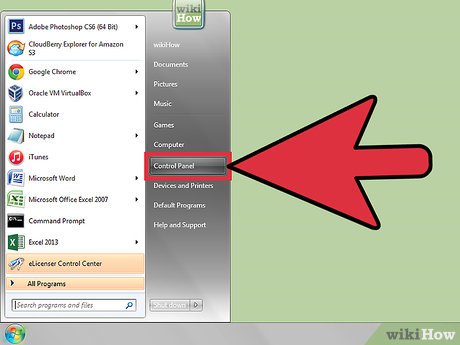 Click on Control Panel. Which option you click depends on your version of Windows.
- Click on "System and Security" if using Windows 7.
- Click on "System and Maintenance" if using Windows Vista.
- Click on "Performance and Maintenance" if using Windows XP. (Note that in Classic View, you won't be able to see this option.)
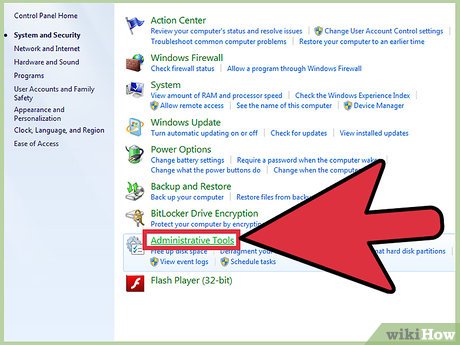 Select Administrative Tools.
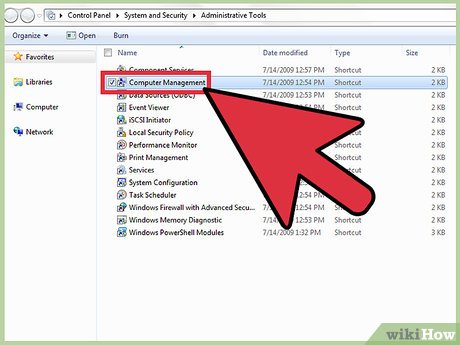 Double click on Computer Management.
 Click on Disk Management. It is located in the left pane.
 Right-click on the drive you want to change. Select "Change Drive Letter and Path" from the drop-down menu.
 Select "Add," "Change," or "Remove. " If you selected "Add" or "Change," click "OK." If you selected "Remove," click "Yes."
- "Add" allows you to label a drive with a previously unused letter. "Change" allows you to swap the letters of existing drives. "Remove" takes away the letter assigned to a drive.
- In Windows XP, you need to click "OK" and then "Yes" if you are changing or removing a drive letter.
Method 2
Renaming Drives in Mac OS X
 Click and hold on the name below the icon of the drive.
 Type in the new name manually. You can go to Get Info and deselect the "Locked" box if the drive is initially locked.
FAQ
What is How to Allocate a Drive Letter about?
It provides a structured overview of click, explains the main context, and highlights practical takeaways for readers.
Why does this topic matter?
Understanding the main concepts helps readers evaluate the issue, avoid common mistakes, and make better-informed decisions.
How should readers use this information?
Use the guidance as a practical starting point, confirm details that may have changed, and follow current product, safety, or security recommendations.
Related Articles
 Drive Letter Is Not Available on Windows: Causes and Solutions5 minutes read
 How to Change Drive Letters4 minutes read
 How to Delete Drive Letter in Windows 105 minutes read
 How to Rename a Drive, Change the Drive Letter in Windows3 minutes read
 How to Change the Name (letter) of a Windows Hard Drive9 minutes read
 How Much C Computer Drive Capacity to Be Reasonable?4 minutes read
Reader Comments 0
Sign in with email or Google to join the discussion.