Table of Contents
Control Panel: Regional and Language Options is easier to understand when the core ideas are paired with practical examples. The sections below explain the topic clearly, highlight useful steps, and point out details that can prevent common errors.
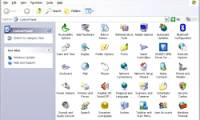
In the Control Panel, the globe icon is the Regional and Language Option that allows us to select the rules for the display area and language. Double-click the icon to open the Regional and Language Option box. 1 / Regional Option Card: Regulations for the region
Standards and formats are formats that affect the unit of currency, number, date and time. By default is English (United State) format in US style. With the presentation in the Sample section directly below. You can click the arrow in this frame, a drop-down list gives us the option. Another option is to click the Customize button to get the Customize Regional Options box and then modify the internal rules including: Number card

- Positive (positive number); Negative (negative number). - Decimal Symbol: Decimal delimiter. - No. of digits after decimal: odd number of decimal points. - Digit grouping symbol: Separator between numeric groups (distance between adjacent 3 digits to distinguish percentages, thousand, million.). - Digit grouping: How to divide the number groups, illustrating the above. - Negative sign symbol: Negative sign. - Negative number format: How to display negative numbers. - Display leading zeros: Display zero before the decimal number less than 1 eg 0.5 or 0.8. - List separator: A separator between elements in a list or between arguments in a function. - Measurement system: Measurement system. Currency Card : Regulations on currency, similar to the above number card. Time Card : Regulation of time (hour-minute-second; AM: morning; PM: afternoon). Date card : Specifies the date and year.

2 / Language Tag : options for display language settings such as typing characters, setting rules for the keyboard. 3 / Advanced : Specifies the display settings on menus, dialogs for languages other than Unicode. To use Vietnamese Unicode in Win XP, follow these steps: Open Control Panel / Regional and Language Option / Languages, check the Install files section for complex script and right-to-left languages to install Vietnamese Unicode support. Open Control Panel / Regional and Language Options / Regional Options, select Vietnamese in the Standards and formats section to display decimals, units of measure, time, date, currency in Vietnamese. Select Vietnam in the Location section. Open Control Panel / Regional and Language Options / Advanced, select Vietnamese in the Language for non-Unicode programs section. Check the Apply all settings item to the account user current. If you want to use the Windows XP keyboard driver, open Control Panel / Regional and Language Options / Languages, click the Detail button in the Text Services and Input languages section. In the Settings panel, click the Add button and select Vietnamese. After installing the keyboard, you can change the keyboard settings in the Settings panel.
FAQ
What is Control Panel: Regional and Language Options?
In the Control Panel, the globe icon is the Regional and Language Option that allows us to select the rules for the display area and language.
Why is Control Panel: Regional and Language Options important?
A clear understanding of Control Panel: Regional and Language Options helps you make informed decisions, avoid common mistakes, and use the relevant tools or techniques more effectively.
How should beginners approach Control Panel: Regional and Language Options?
Start with the fundamental concepts, follow the examples step by step, and test each change in a safe environment before applying it to important systems or data.
Related Articles
 Instructions to Disable Control Panel on Windows 74 minutes read
 How to Open Control Panel on Windows 10, 8.1, 712 minutes read
 Hide: How to Customize Your Windows Control Panel2 minutes read
 Control Panel Will Soon Disappear on Windows 103 minutes read
 Menu: Quickly Open the Control Panel Tools3 minutes read
 Learn Control Panel in Win. XP: Tips and Examples5 minutes read
Reader Comments 0
Sign in with email or Google to join the discussion.