Table of Contents
This guide provides a practical overview of Change the Default Browser in Windows 10, including its main features, benefits, limitations, and important considerations.
Method 1: Change the default browser in Windows 10 via Control Panel.
Step 1: Go to Start Menu -> Control panel:
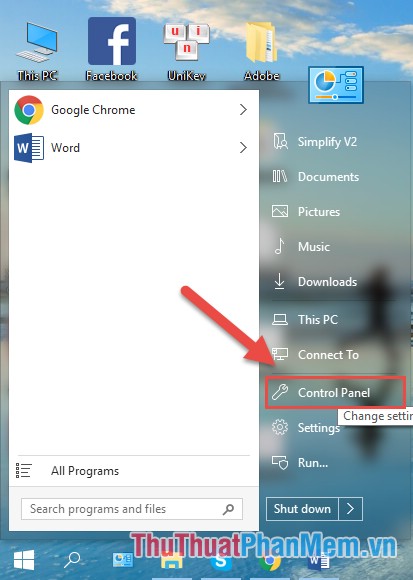
Step 2: The Control Panel dialog box appears, click Programs:
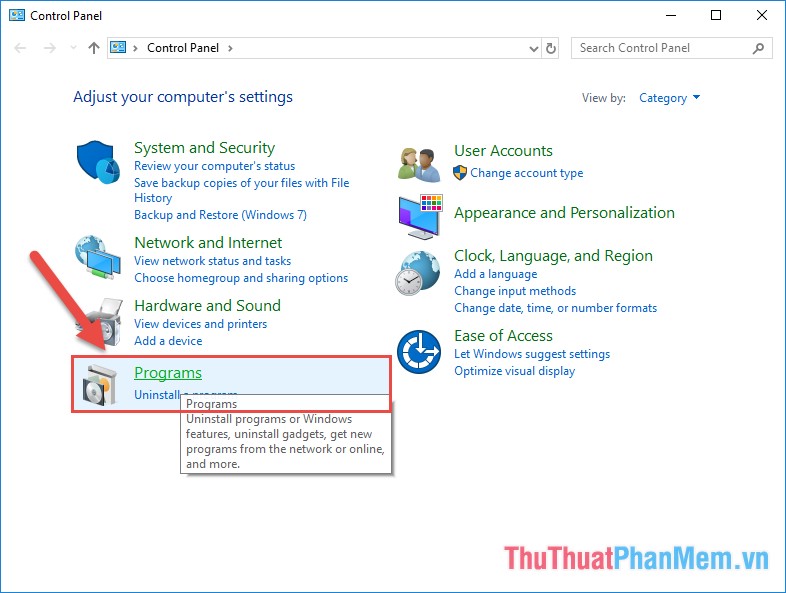
Step 3: Click Default Programs:

Step 4: Next, click Set your default programs:

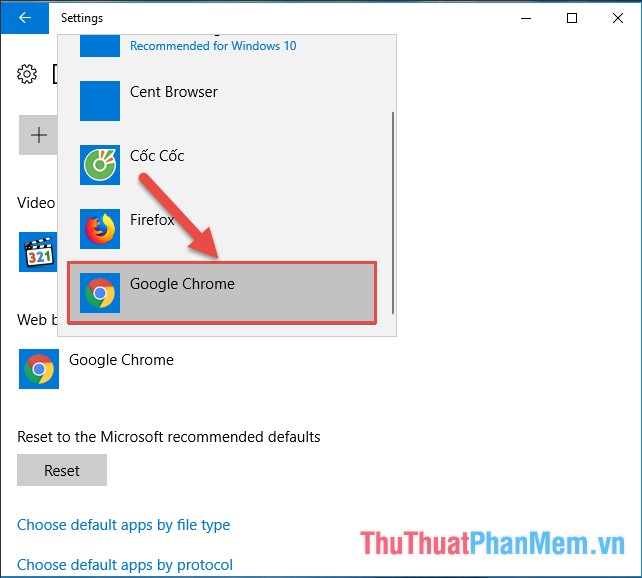
Step 5: The Default Apps dialog box appears scroll down in the Web browser section, select the browser you want to set as the default browser to access the web. The example here selects Google Chorme as the default browser:

Method 2: Change the default browser in Window from the Setting application
Step 1: Access the Start menu -> Setting:

Step 2: The Settings dialog box appears, click Apps:
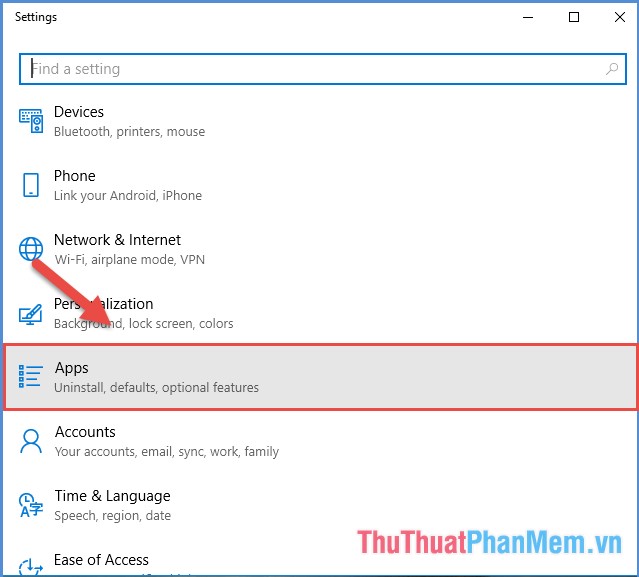
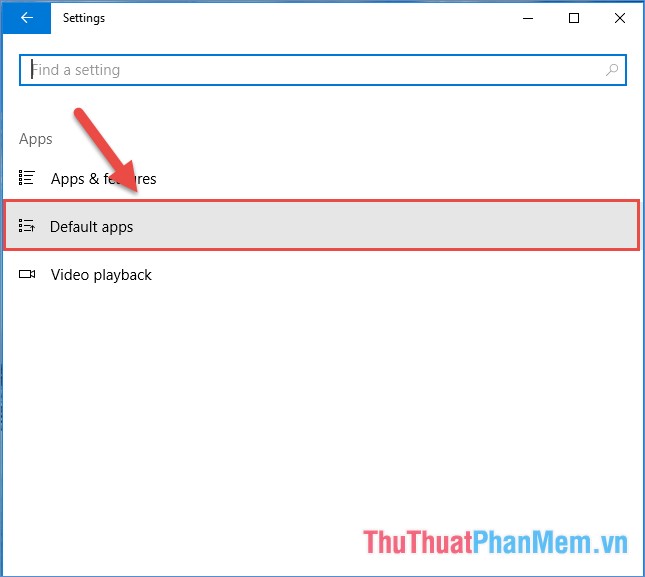
Step 3: Click Default apps to select the default browser for Windows 10:
Step 4: Similar to accessing via Control Panel, select the browser to set as the default for Windows:
After making your selection, close the dialog box and now when an application needs to access the web, the default browser you have installed will help the application access the web.
So with a few taps, you can set the default web browser for your Windows. Good luck!
FAQ
What should I know about Change the Default Browser in Windows 10?
Focus on the key features, requirements, limitations, and practical use cases explained in this guide.
How do I get the best results with Change the Default Browser in Windows 10?
Follow the recommended steps, use current software or information, confirm compatibility, and review settings before major changes.
Are there any risks or limitations?
Potential limitations depend on compatibility, data quality, cost, privacy, support, and how the product or method is used.
Related Articles
 How to Set the Default Browser When Opening Any Link on the Computer4 minutes read
 3 Ways to Change the Default Browser in Windows 105 minutes read
 Instructions for Changing the Default Web Browser in Windows 73 minutes read
 How to Change the Default Browser on Windows 10: Step-by-Step Guide3 minutes read
 How to Change the Default Web Browser on Windows 114 minutes read
 Change the Default Browser in Windows: Instructions2 minutes read
Reader Comments 0
Sign in with email or Google to join the discussion.