Table of Contents
This guide explains how to turn Off Windows Defender on Windows 10, with clear steps, practical tips, and important checks before you begin.
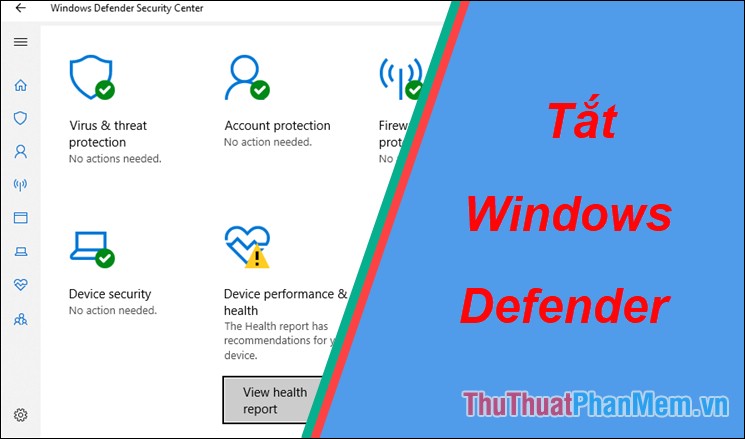
1. Disable Windows Defender with Group Policy
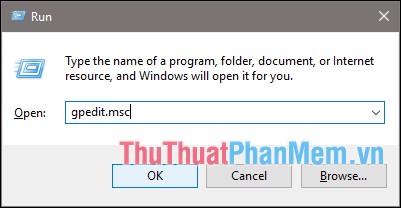
Step 1: You press Windows + R to open the Run dialog box, then enter the command gpedit. msc and press Enter
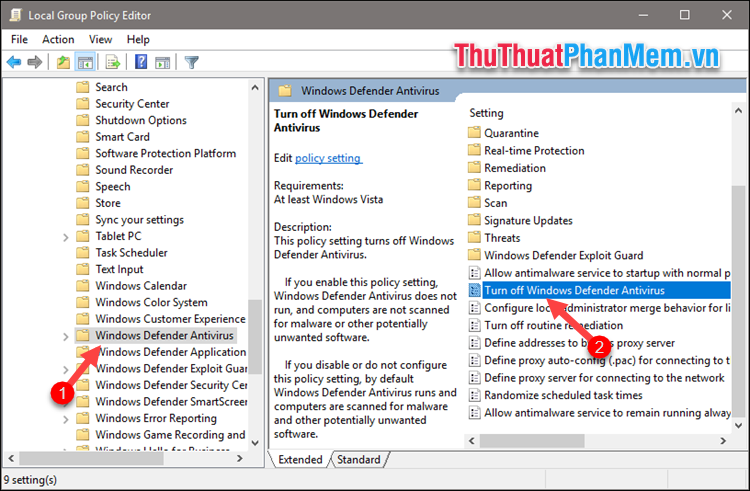
Step 2 : In the Group Policy window, browse for the following:
Computer Configuration -> Administrative Templates -> Windows Components -> Windows Defender Antivirus
Then on the right side of the window you find and double-click the Turn off Windows Defender Antivirus line
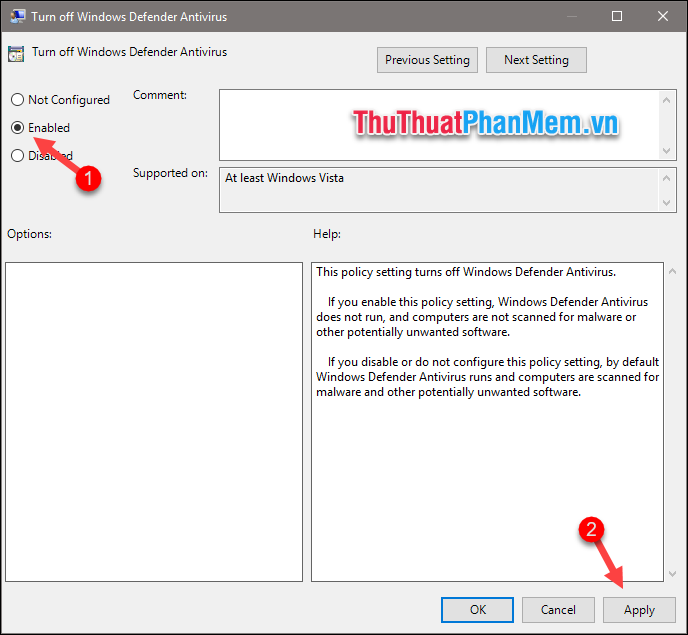
Step 3 : A new window appears, select Enabled, then select Apply and then click OK.
2. Turn off Windows Defender with the Registry
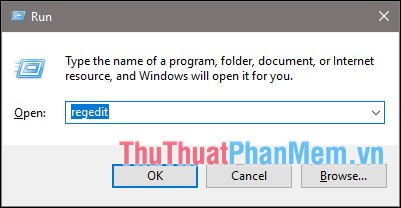
Step 1 : You press Windows + R to open the Run dialog box, then enter the command regedit and press Enter.
Step 2 : The Registry Editor dialog box appears, continue to access the following link:
HKEY_LOCAL_MACHINE SOFTWARE Policies Microsoft Windows Defender
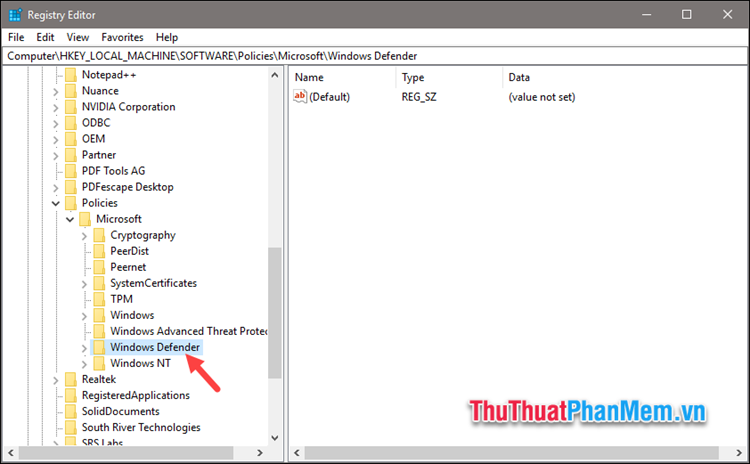
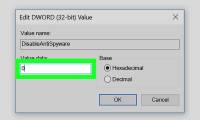
Step 3 : In the right pane, find the file named DisableAntiSpyware, if you do not find it, create it yourself by right-clicking on an empty area and selecting New -> DWORD (32-bit) Value then name the file as DisableAntiSpyware.

Step 4: Double-click the file you have just created, then change the Value data from 0 to 1 and click OK.
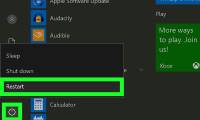
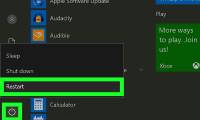
Finally, you turn off the Registry window and restart the computer is done.

Later, if you want to turn on Windows Defender, change the Value Date from 1 to 0 as well.
Above is a tutorial on how to turn off Windows Defender on Windows 10, hope you will find the article useful. Good luck!
FAQ
What should I know about Turn Off Windows Defender on Windows 10?
Focus on the key features, requirements, limitations, and practical use cases explained in this guide.
How do I get the best results with Turn Off Windows Defender on Windows 10?
Follow the recommended steps, use current software or information, confirm compatibility, and review settings before major changes.
Are there any risks or limitations?
Potential limitations depend on compatibility, data quality, cost, privacy, support, and how the product or method is used.
Related Articles
 How to Turn Off the Windows Defender Summary Notification on4 minutes read
 How to Turn Off Windows Defender Completely on Windows 104 minutes read
 How to Turn Off, Turn on Windows Defender in Windows 104 minutes read
 Click: How to Turn Off Windows Defender in Windows 105 minutes read
 How to Turn on Windows Defender: Clear Instructions6 minutes read
 How to Turn on Windows Defender5 minutes read
Reader Comments 0
Sign in with email or Google to join the discussion.